In the world of business acquisitions, a letter of intent to purchase a business is a crucial document that outlines the preliminary agreement between the buyer and the seller. This document serves as a roadmap for the transaction, laying out the terms and conditions that both parties have agreed upon before moving forward with the purchase. While not legally binding, a well-crafted letter of intent can set the tone for a successful negotiation process and help ensure a smooth transition of ownership.
Let’s delve into the intricacies of writing a compelling letter of intent to purchase a business.
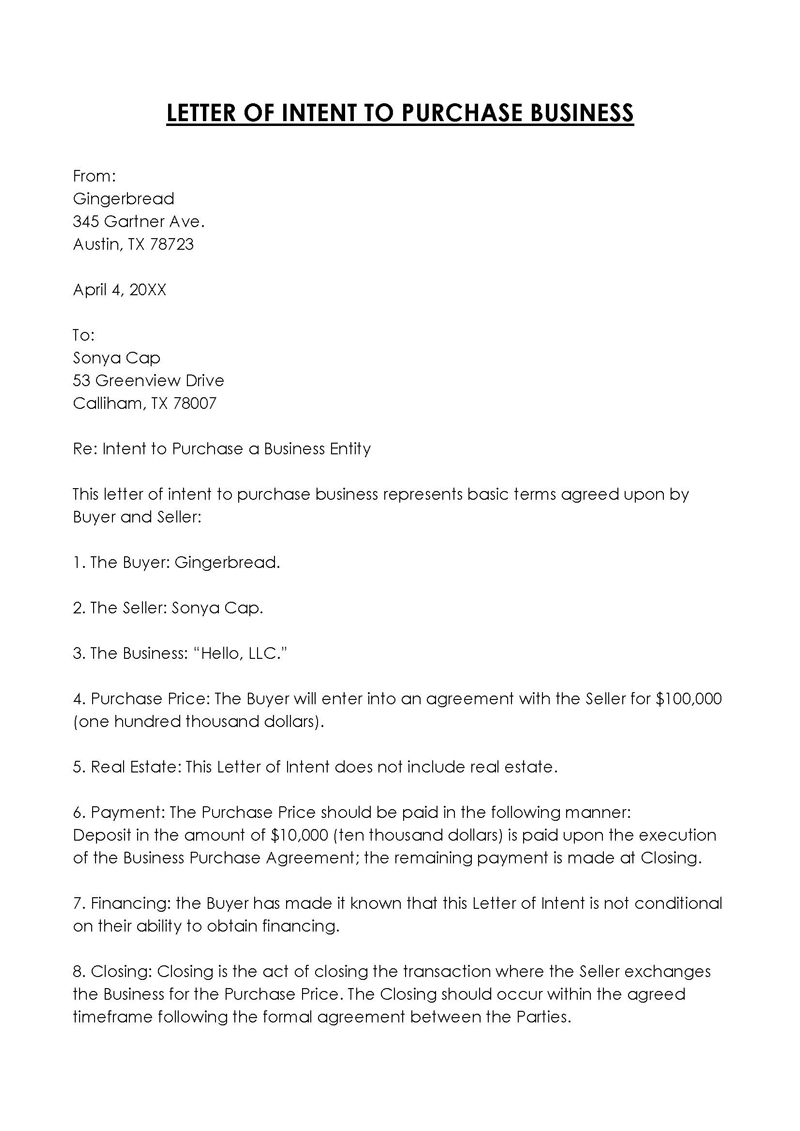
What is a Letter of Intent to Purchase a Business?
A letter of intent to purchase a business, commonly known as an LOI, is a formal document that outlines the key terms and conditions of a proposed business acquisition. It is typically drafted by the buyer and presented to the seller as a preliminary agreement to express their interest in acquiring the business.
The LOI serves as a roadmap for the transaction, providing a framework for further negotiations and due diligence processes. While the letter of intent is not legally binding, it is considered a critical step in the acquisition process as it sets the stage for more detailed agreements to follow.
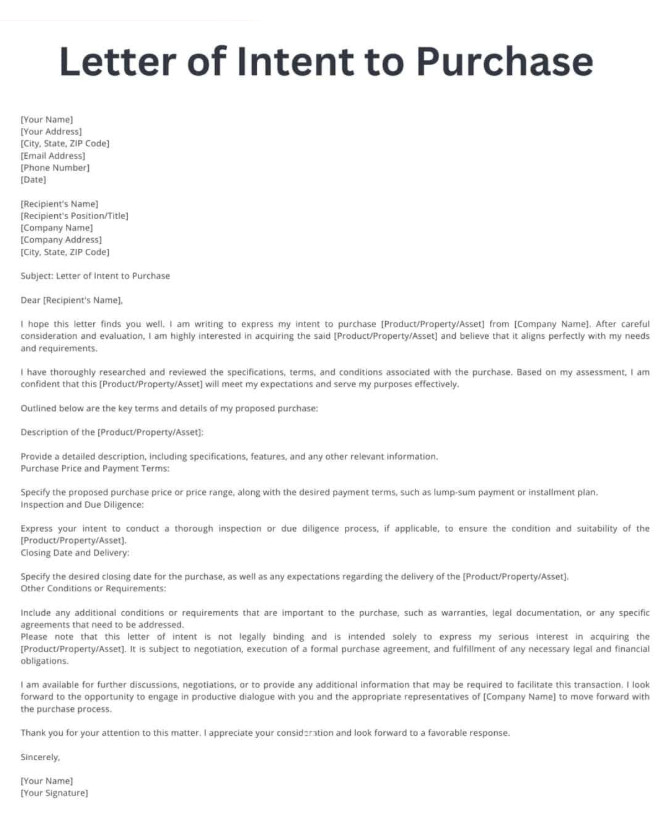
Why is a Letter of Intent Important?
The letter of intent to purchase a business plays a vital role in the acquisition process for several reasons. Firstly, it serves as a formal expression of the buyer’s interest in acquiring the business, outlining the key terms and conditions of the proposed transaction. This document helps to establish a mutual understanding between the buyer and the seller regarding the basic terms of the deal, including the purchase price, payment terms, due diligence process, and other important aspects of the transaction.
Additionally, the LOI provides a framework for negotiations and helps to streamline the due diligence process by outlining the key areas of focus for both parties.
What to Include in a Letter of Intent to Purchase a Business
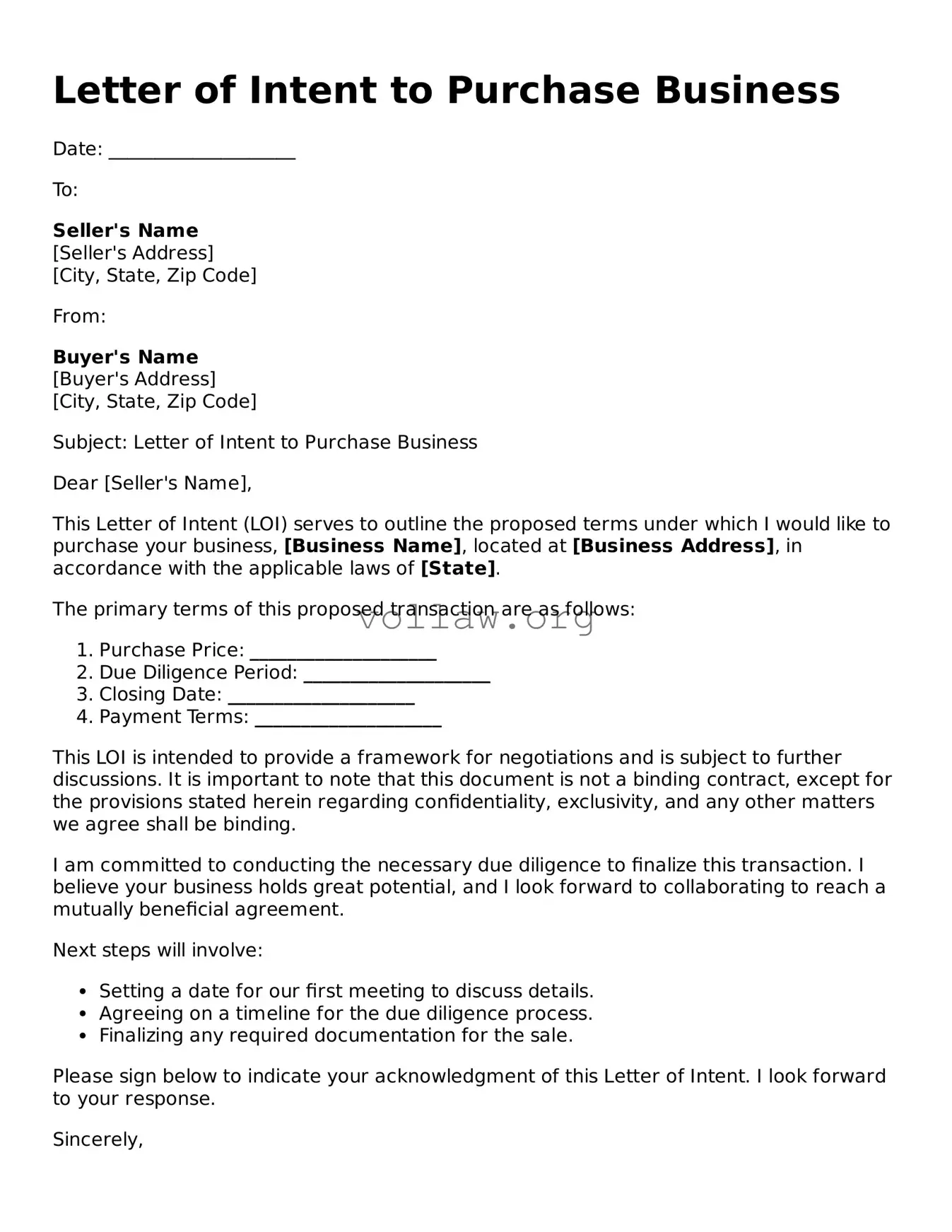
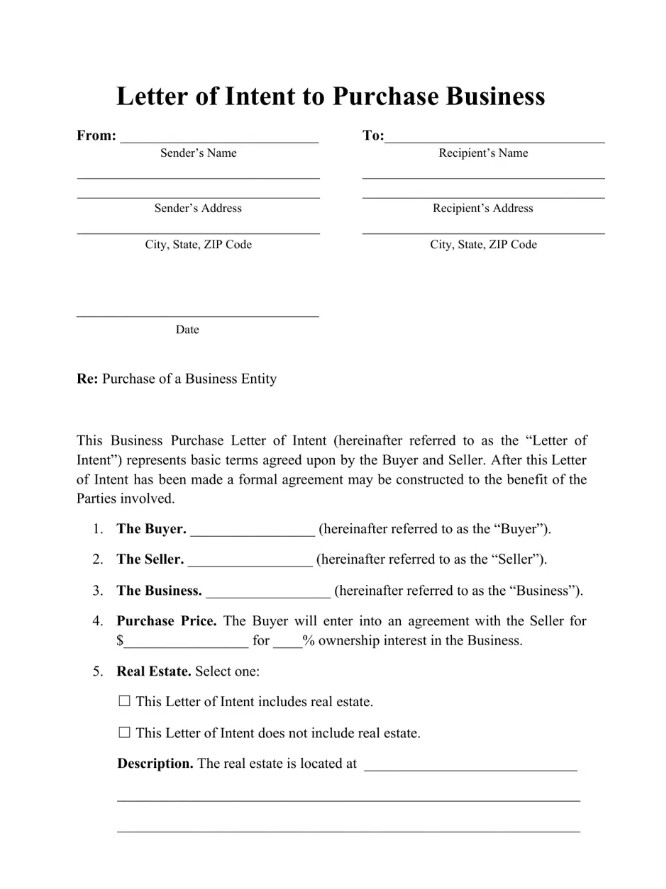
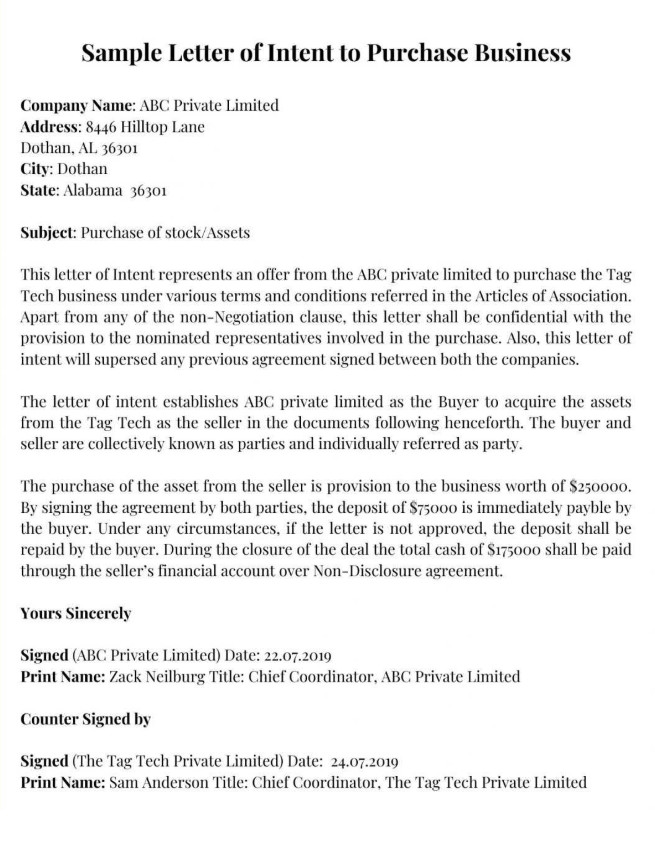
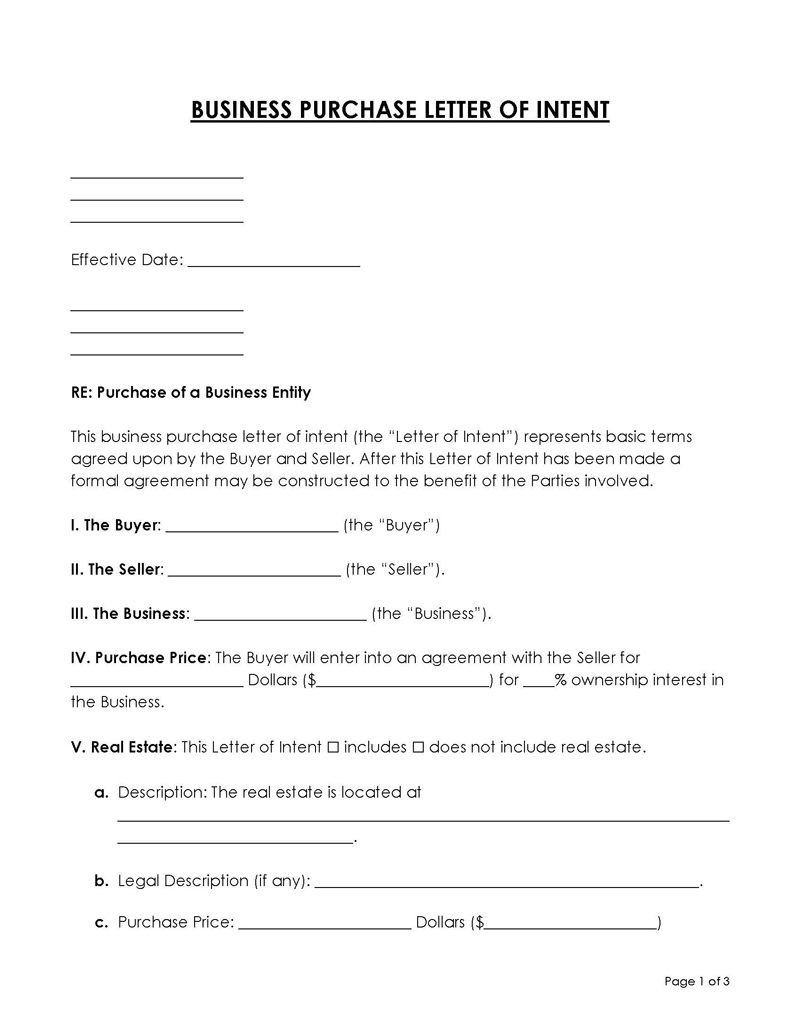
When drafting a letter of intent to purchase a business, it is essential to include certain key elements to ensure clarity and specificity in the document. Here are some essential components to consider including in your LOI:
- Introduction: Begin the letter with a formal introduction, stating the purpose of the document and expressing your interest in acquiring the business.
- Purchase Price and Payment Terms: Clearly outline the proposed purchase price for the business and specify the payment terms, including any deposits or financing arrangements.
- Due Diligence Process: Detail the due diligence process, including the timeline and scope of the investigation, to ensure transparency and alignment between both parties.
- Conditions of the Transaction: Specify any conditions that must be met for the transaction to proceed, such as regulatory approvals, financing contingencies, or other key requirements.
- Confidentiality: Include a confidentiality clause to protect sensitive information shared during the negotiation process and due diligence.
- Exclusivity: Consider including an exclusivity clause to prevent the seller from negotiating with other potential buyers during the negotiation period.
- Timeline: Provide a timeline for the completion of the transaction, including key milestones and deadlines for each stage of the process.
How to Draft a Letter of Intent to Purchase a Business
Drafting a well-written letter of intent to purchase a business requires careful consideration and attention to detail. Here are some steps to help you craft an effective LOI:
1. Begin by conducting thorough research on the target business, including its financial performance, market position, and key assets.
2. Clearly define your objectives and goals for the acquisition, including the reasons behind your interest in purchasing the business.
3. Develop a comprehensive outline of the key terms and conditions you wish to include in the LOI, ensuring clarity and specificity in your language.
4. Consult with legal and financial advisors to ensure that the terms of the LOI are fair and reasonable for both parties.
5. Review the draft LOI carefully to eliminate any errors or ambiguities before presenting it to the seller for consideration.
Tips for Writing a Successful Letter of Intent
Writing a compelling letter of intent to purchase a business requires a strategic approach and attention to detail. Here are some tips to help you create a successful LOI:
- Be Clear and Concise: Use clear and straightforward language to communicate your intentions and avoid ambiguity in the document.
- Focus on Key Terms: Highlight the most important terms and conditions of the proposed transaction to ensure mutual understanding between both parties.
- Seek Legal Advice: Consult with legal advisors to review the terms of the LOI and ensure that they are legally sound and enforceable.
- Maintain Professionalism: Maintain a professional tone throughout the document to convey respect and credibility to the seller.
- Follow Up Promptly: After presenting the LOI to the seller, follow up promptly to address any questions or concerns they may have and keep the negotiation process moving forward.
- Stay Flexible: Be prepared to negotiate and make concessions during the negotiation process to reach a mutually beneficial agreement with the seller.
Conclusion
In conclusion, mastering the art of writing a letter of intent to purchase a business is a critical skill for any prospective buyer looking to acquire a business. By following the essential steps outlined in this guide and incorporating the key elements into your LOI, you can increase your chances of success in the negotiation process and facilitate a smooth transition of ownership.
Remember to approach the drafting process with care and attention to detail, seeking guidance from legal and financial experts as needed to ensure a successful outcome.
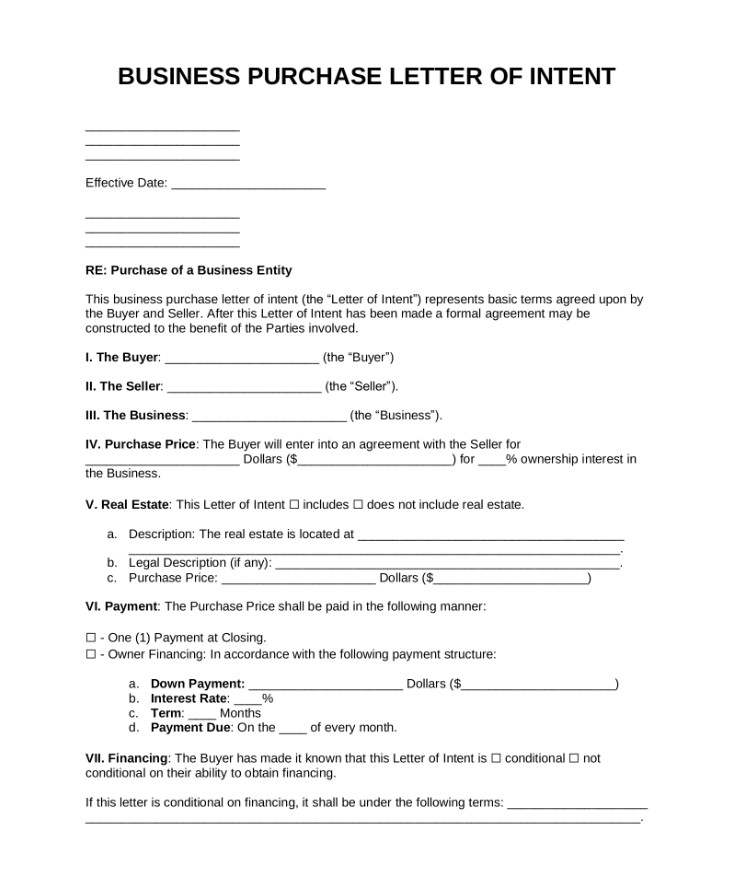
Letter of Intent to Purchase a Business – Word Template

- Free Printable Wedding Schedule Template - September 15, 2026
- Free Printable Weekly Employee Timesheet Template - September 15, 2026
- Printable Sign-in Sign-out Sheet Template - September 15, 2026
