Are you looking to make a positive first impression as a teacher? Writing a letter of introduction can be a great way to introduce yourself to students, parents, and colleagues.
In this comprehensive guide, we will discuss the importance of a letter of introduction for teachers, what to include in your letter, and provide tips on how to make your introduction letter stand out.
What is a Letter of Introduction for Teachers?
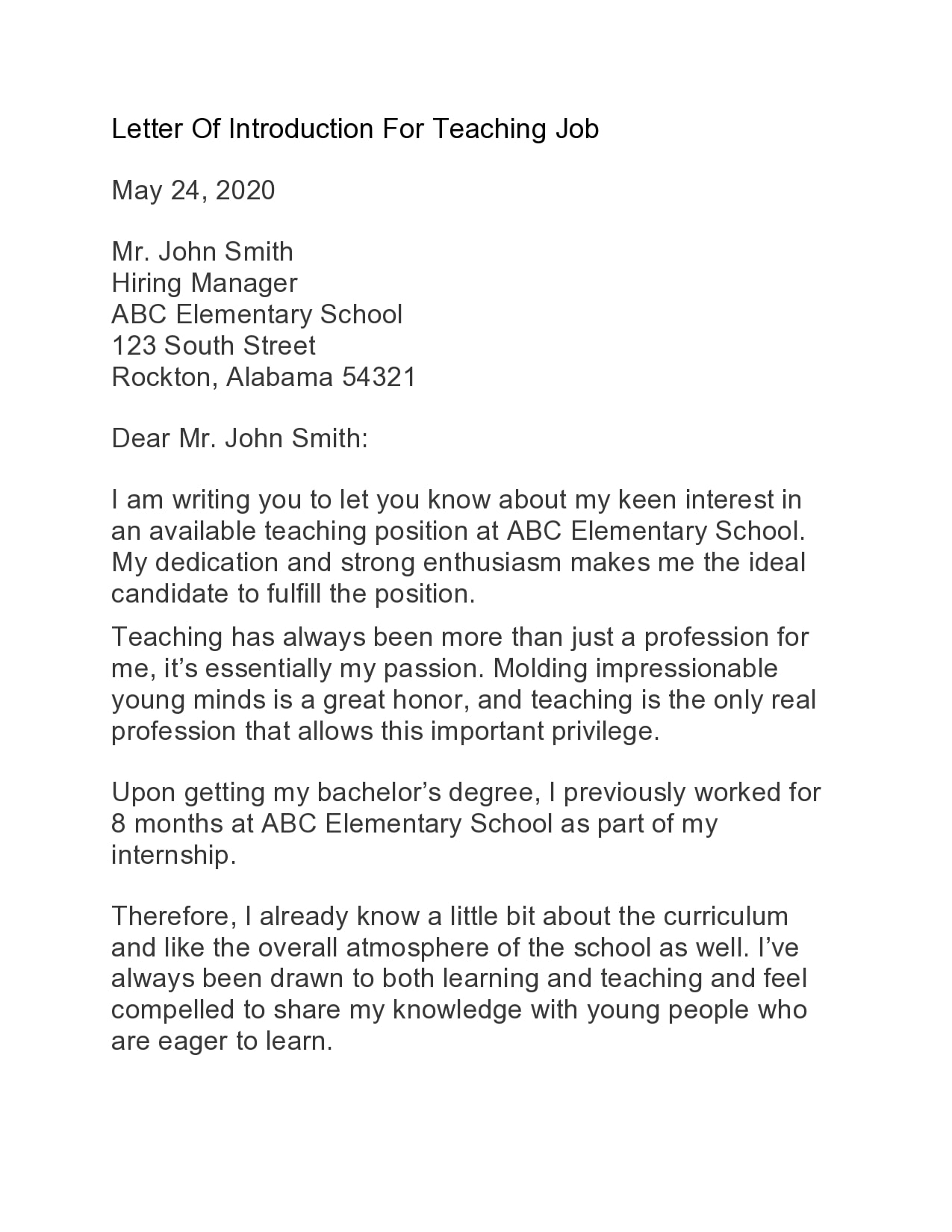
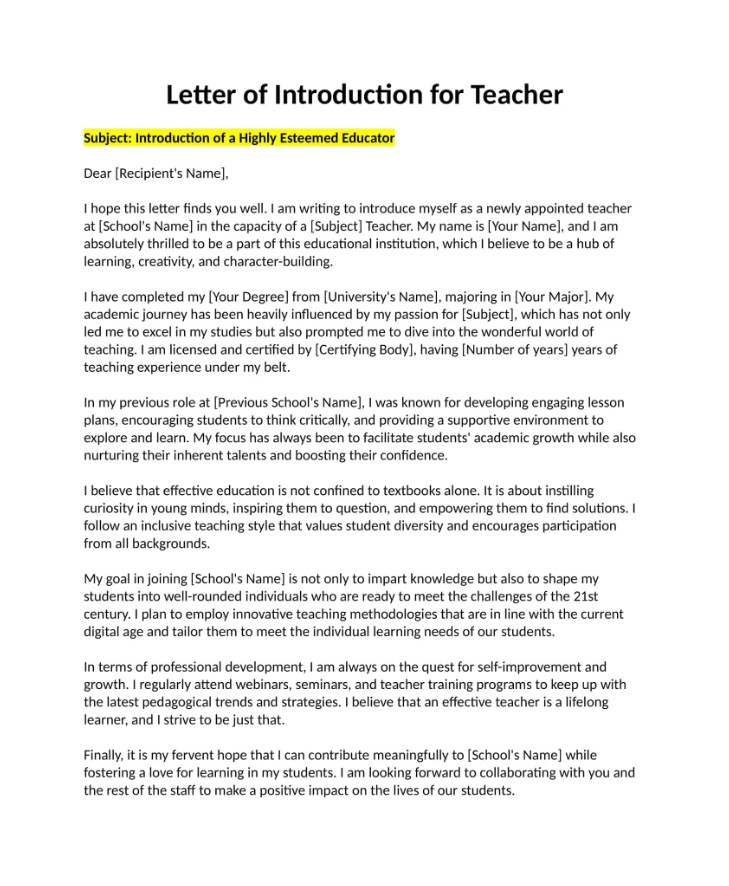
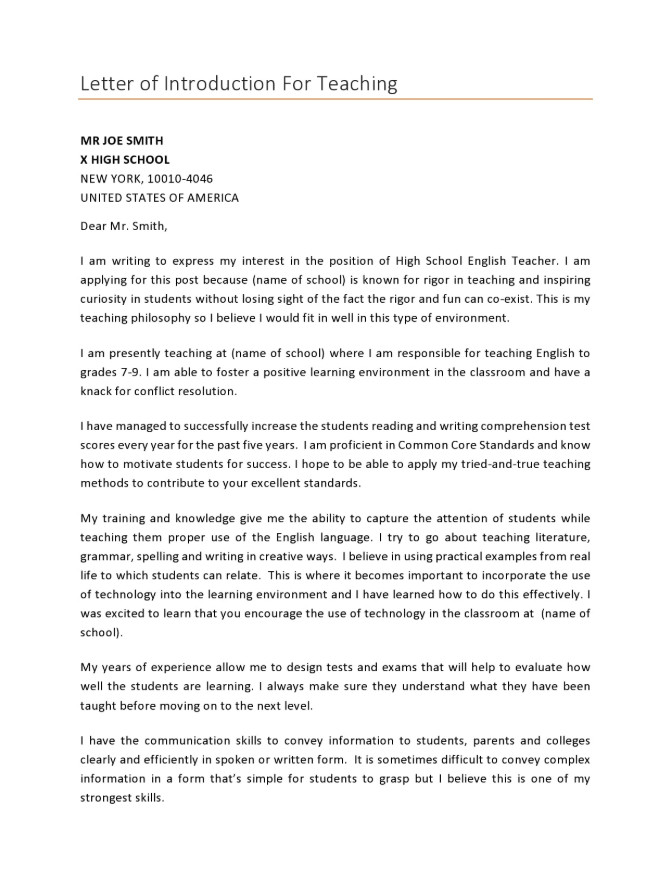
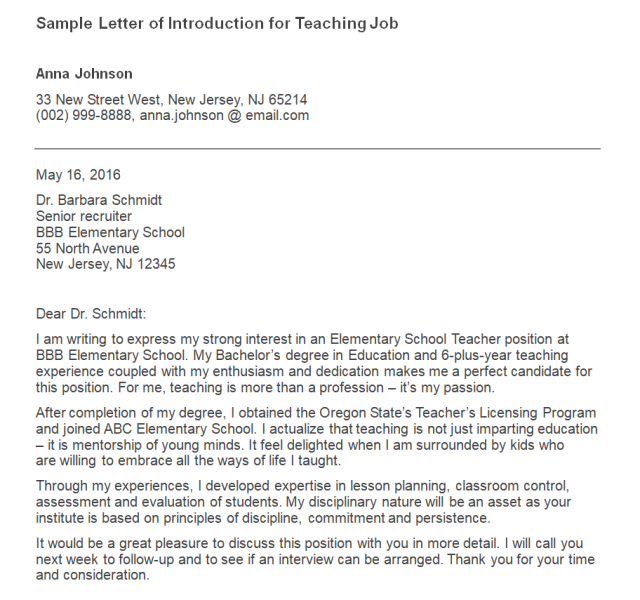
A letter of introduction for teachers is a formal document that serves as an introduction to students, parents, and fellow educators. This letter is typically sent at the beginning of the school year or when a new teacher joins a school. It provides an opportunity for teachers to showcase their qualifications, experience, and teaching philosophy.
A well-written letter of introduction can help establish a positive rapport with the school community and set the tone for the rest of the academic year. It is a chance for teachers to highlight their strengths, goals, and commitment to their students.
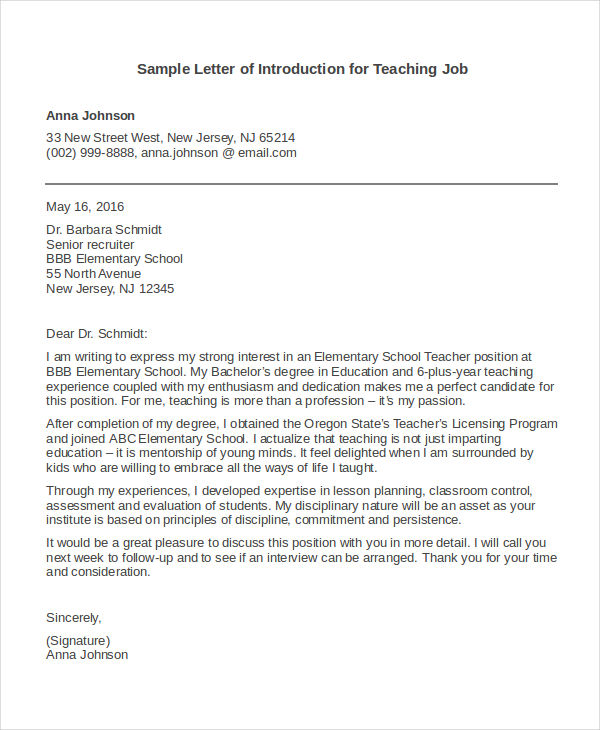
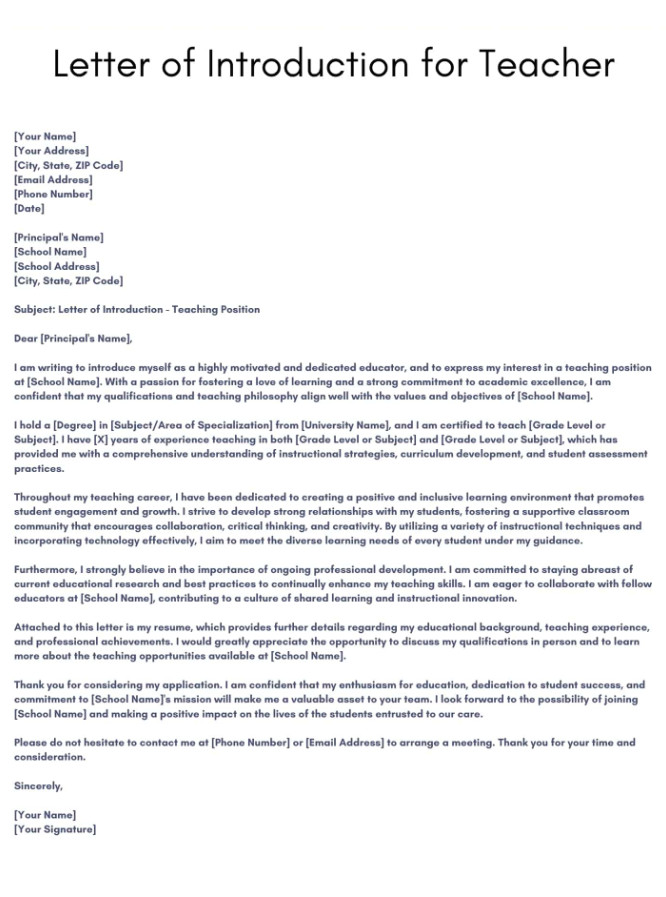
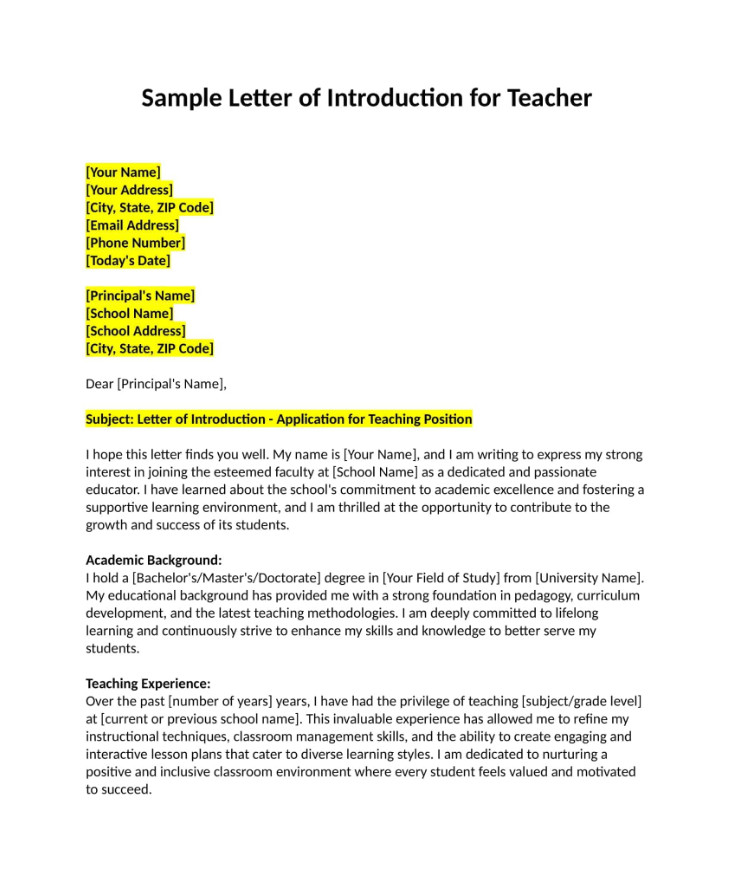
Examples
Why Write a Letter of Introduction?
Introducing yourself through a letter of introduction is an important step in building relationships with students, parents, and colleagues. It allows you to establish credibility, showcase your personality, and communicate your expectations for the upcoming school year.
A letter of introduction also provides an opportunity to address any concerns or questions that parents or students may have. By sharing your background, teaching philosophy, and goals, you can help alleviate any uncertainties and create a sense of transparency and trust.
What to Include in Your Letter of Introduction
When writing a letter of introduction for teachers, it is important to include the following key elements:
1. Introduction: Begin your letter by introducing yourself and explaining your role at the school.2. Qualifications: Highlight your education, certifications, and any relevant experience in the field of education.3. Teaching Philosophy: Share your beliefs and approach to teaching, including your goals for student learning.4. Classroom Policies: Outline your expectations for behavior, homework, communication, and any other classroom policies.5. Contact Information: Provide your contact details for parents, students, and colleagues to reach out to you.
How to Write a Letter of Introduction
When writing your letter of introduction, keep the following tips in mind to make it as effective as possible:
1. Be concise and to the point: Keep your letter brief and focused, highlighting the most important information.
2. Use a friendly and welcoming tone: Make sure your letter is warm and inviting to create a positive first impression.
3. Proofread for errors: Double-check your letter for any grammatical or spelling mistakes before sending it out.
4. Personalize your letter: Tailor your introduction to the specific school, grade level, or subject you will be teaching.
5. Include a call to action: Encourage parents and students to reach out to you with any questions or concerns.
6. End on a positive note: Close your letter with a friendly sign-off and express your excitement for the upcoming school year.
Tips for a Successful Letter of Introduction
To ensure your letter of introduction leaves a lasting impression, consider the following tips:
- Be authentic: Share your genuine enthusiasm for teaching and your commitment to student success.
- Highlight your strengths: Showcase your unique skills, experiences, and qualities that set you apart as a teacher.
- Connect with your audience: Tailor your letter to resonate with parents, students, and colleagues at your school.
- Set clear expectations: Clearly outline your teaching philosophy, goals, and classroom policies to avoid any misunderstandings.
- Invite collaboration: Encourage open communication and collaboration with parents, students, and fellow educators.
- Stay professional: Maintain a professional tone throughout your letter while still showing your personality.
- Seek feedback: Consider sharing your draft with a colleague or mentor for feedback before finalizing your letter.
- Follow-up: After sending your letter, be proactive in following up with parents, students, and colleagues to continue building relationships.
Conclusion
Writing a letter of introduction for teachers is an essential step in establishing a positive relationship with your school community. By following the tips and guidelines outlined in this guide, you can create a compelling introduction that sets the tone for a successful academic year.
Remember to personalize your letter, showcase your strengths, and maintain a professional yet welcoming tone to make a lasting impression on your readers. Good luck with your letter of introduction!
Letter of Introduction for Teacher – Download

- Free Printable Wedding Schedule Template - September 15, 2026
- Free Printable Weekly Employee Timesheet Template - September 15, 2026
- Printable Sign-in Sign-out Sheet Template - September 15, 2026
