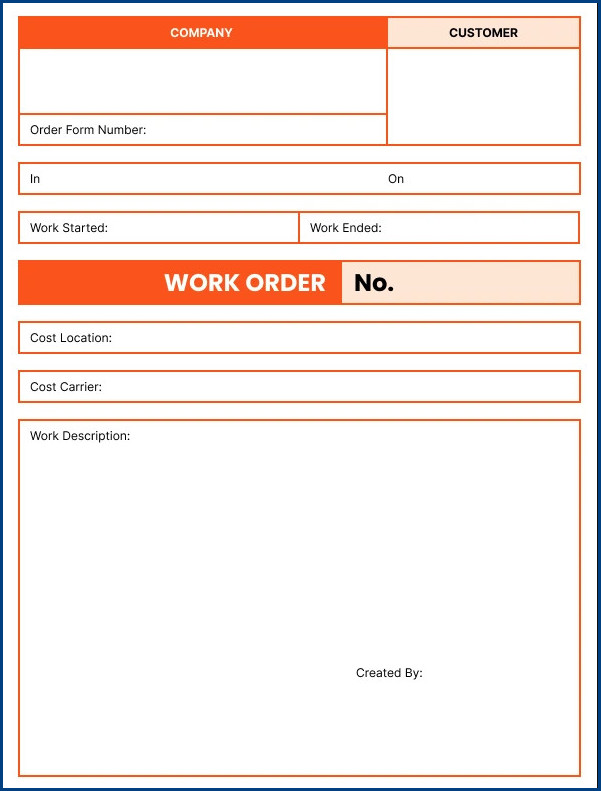
In any organization, efficient maintenance work order management is crucial to ensuring that equipment, facilities, and assets are properly maintained.
A maintenance work order is a formal request to carry out maintenance or repair work on a particular asset or piece of equipment. It helps streamline the maintenance process, ensuring that tasks are assigned, tracked, and completed on time.
What is a Maintenance Work Order?
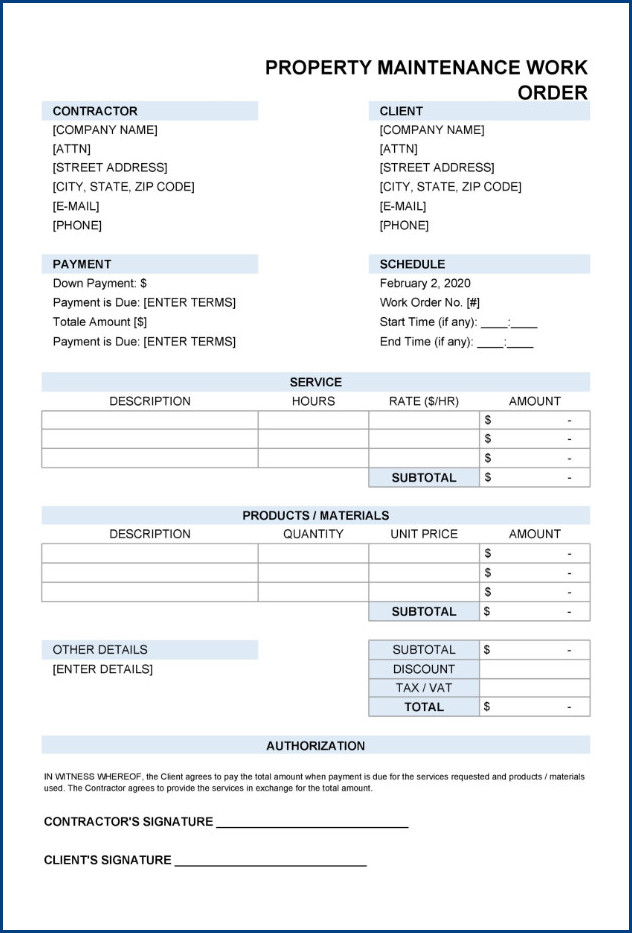
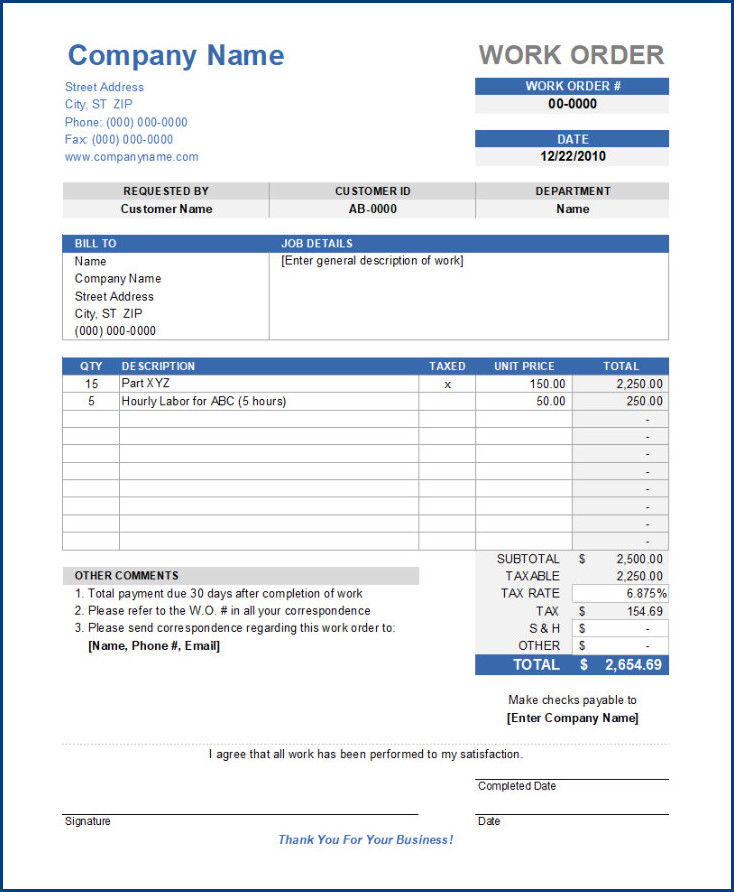
A maintenance work order is a document or digital form that initiates the maintenance or repair process for a specific asset or piece of equipment. It includes details such as the location of the asset, the type of maintenance required, the priority level of the work, and any special instructions for the maintenance team. Maintenance work orders can be created manually or generated automatically through a computerized maintenance management system (CMMS).
When a maintenance work order is created, it is typically assigned to a maintenance technician or team responsible for carrying out the work. The work order serves as a roadmap for the maintenance task, providing all the necessary information for the technician to complete the job efficiently and effectively.
Why are Maintenance Work Orders Important?
Maintenance work orders play a critical role in ensuring that maintenance tasks are completed in a timely and organized manner. By using work orders, organizations can:
– Improve maintenance efficiency and productivity
– Ensure that maintenance tasks are prioritized based on urgency and importance
– Track the progress of maintenance work and monitor key performance indicators
– Reduce downtime and minimize disruptions to operations
– Maintain accurate records of maintenance activities for compliance and reporting purposes
What to Include in a Maintenance Work Order
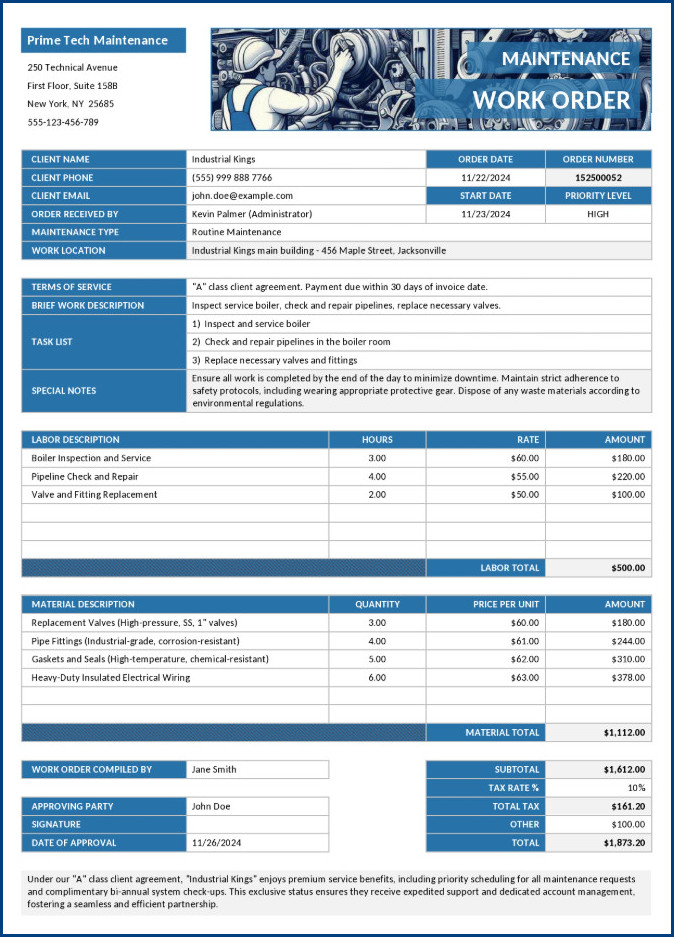
A well-prepared maintenance work order should include the following key information:
– Asset or equipment details: Specify the asset or equipment that requires maintenance or repair.
– Description of work: Provide a detailed description of the maintenance task to be performed.
– Priority level: Indicate the urgency or importance of the maintenance task.
– Location: Specify the exact location of the asset or equipment requiring maintenance.
– Special instructions: Include any specific instructions or safety precautions for the maintenance team.
– Parts and materials: List any parts or materials needed to complete the maintenance task.
– Work schedule: Specify the date and time for the maintenance work to be carried out.
– Technician assignment: Assign the maintenance task to a specific technician or team responsible for completing the work.
How to Create and Manage Maintenance Work Orders
Creating and managing maintenance work orders effectively requires a structured approach and the use of appropriate tools and software. Here are some steps to help you streamline your maintenance work order process:
1. Utilize a computerized maintenance management system (CMMS) to automate work order generation and tracking.
2. Standardize maintenance work order templates to ensure consistency and clarity in communication.
3. Implement a workflow for managing work orders, from creation to completion.
4. Prioritize maintenance tasks based on criticality and impact on operations.
5. Assign work orders to qualified technicians with the necessary skills and expertise.
6. Monitor and track the progress of work orders to ensure timely completion.
7. Conduct regular reviews and analysis of maintenance work order data to identify trends and opportunities for improvement.
8. Communicate effectively with maintenance teams to provide updates and feedback on work orders.
9. Train employees on the use of maintenance work order systems and processes to ensure compliance and efficiency.
10. Continuously evaluate and optimize the maintenance work order process to enhance productivity and performance.
Tips for Effective Maintenance Work Order Management
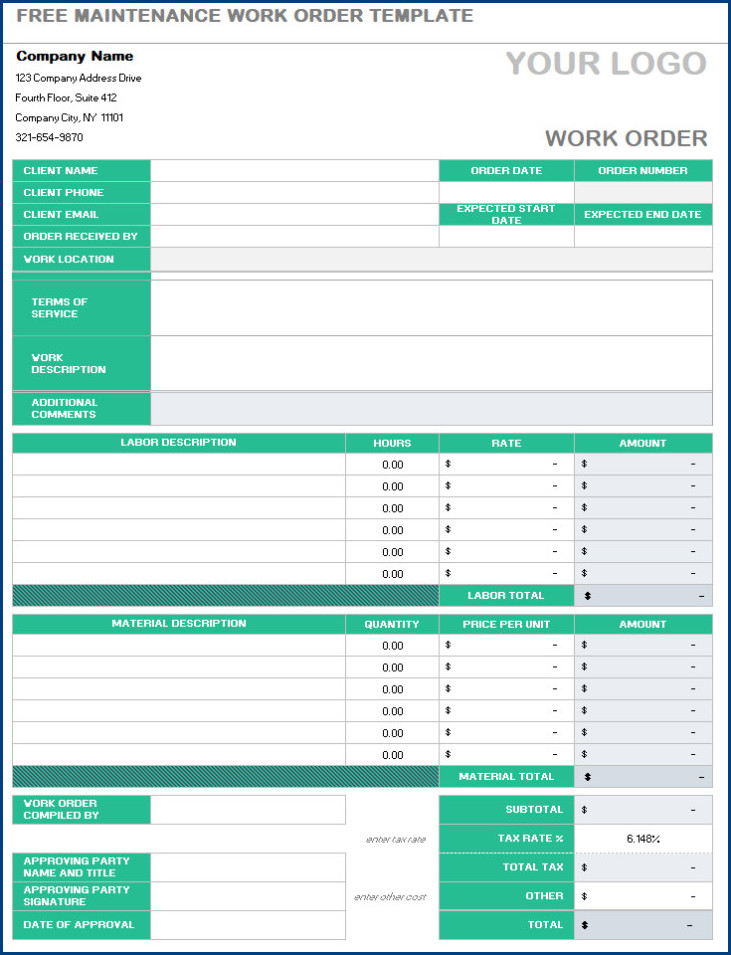
Effective maintenance work order management requires attention to detail and a proactive approach to maintenance planning and execution. Here are some tips to help you optimize your maintenance work order process:
- Prioritize preventive maintenance: Schedule regular preventive maintenance tasks to prevent breakdowns and extend the lifespan of assets.
- Use digital tools: Invest in CMMS software to streamline work order generation, tracking, and reporting.
- Train maintenance teams: Provide training and support to maintenance technicians to enhance their skills and efficiency.
- Communicate effectively: Ensure clear and timely communication with maintenance teams to avoid misunderstandings and delays.
- Regularly review work order data: Analyze maintenance work order data to identify patterns, trends, and areas for improvement.
- Implement a preventive maintenance program: Develop a proactive maintenance strategy to reduce reactive maintenance and increase asset reliability.
- Collaborate with other departments: Work closely with other departments to align maintenance activities with organizational goals and priorities.
- Stay organized: Keep detailed records of maintenance work orders, inspections, and repairs for compliance and audit purposes.
Conclusion
In conclusion, maintenance work orders are essential for effective maintenance management in organizations of all sizes. By creating and managing work orders efficiently, organizations can improve maintenance productivity, minimize downtime, and ensure the proper upkeep of assets and equipment. By following best practices and utilizing the right tools and strategies, maintenance teams can optimize their work order process and achieve operational excellence. Remember, a well-maintained facility is a productive facility.
Maintenance Work Order Template – Download

- Printable Wedding Guest List Template - October 1, 2026
- Free Printable Trip Schedule Template - October 1, 2026
- Free Printable Table Card Template - October 1, 2026
