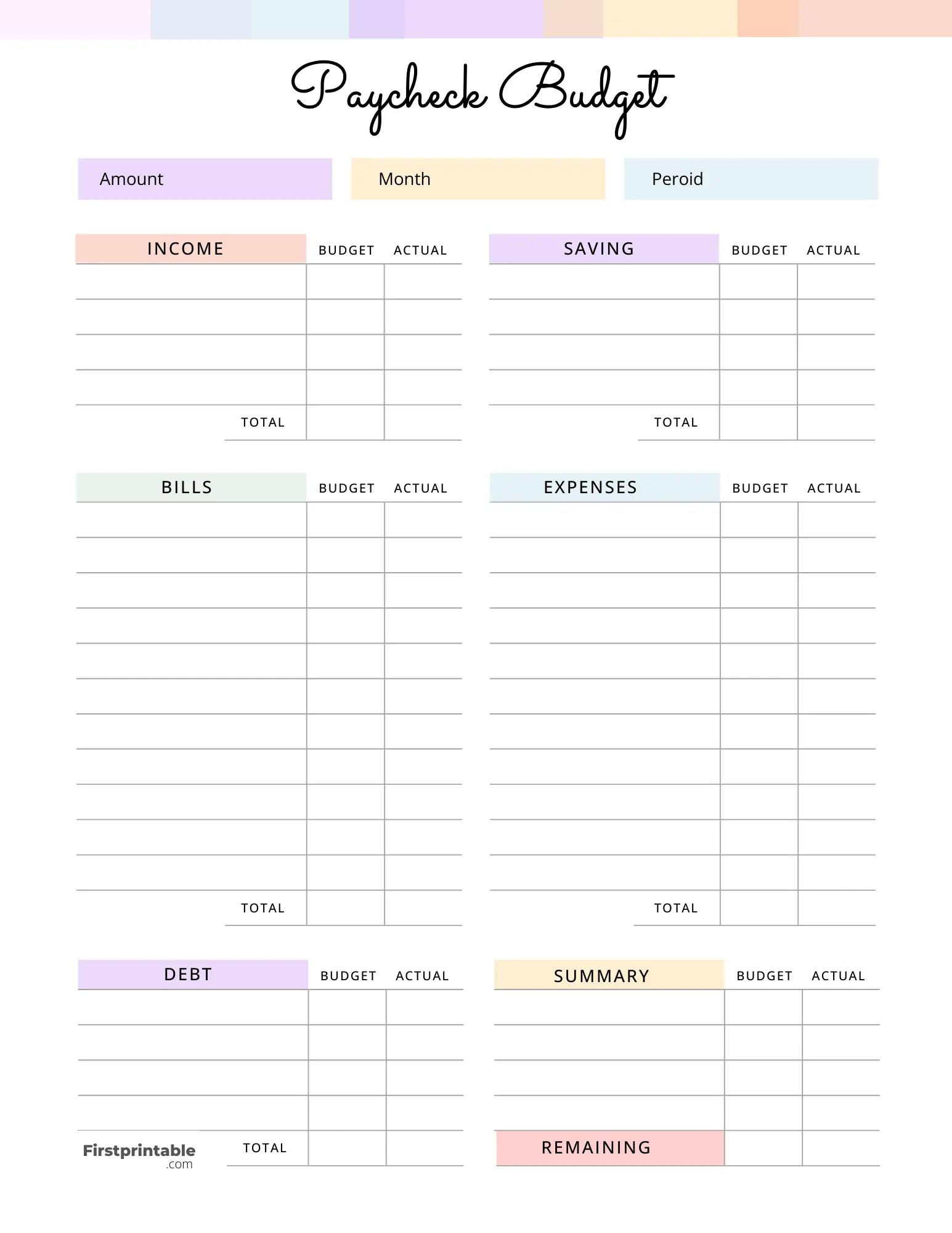
Managing your paycheck budget can be a daunting task, but with the right strategies in place, it doesn’t have to be overwhelming. In this guide, we will delve into the intricacies of creating and maintaining a paycheck budget that works for you. Whether you’re looking to save money, pay off debt, or simply gain a better understanding of your finances, this guide will provide you with the tools and knowledge you need to succeed.
What is a Paycheck Budget?
A paycheck budget is a financial plan that helps you allocate your income towards various expenses and financial goals. It involves tracking your income, categorizing your expenses, and setting aside money for savings or debt repayment. By creating a paycheck budget, you can gain better control over your finances and make informed decisions about how to manage your money effectively.
Why is a Paycheck Budget Important?
Having a paycheck budget is crucial for several reasons:
- Financial Awareness: A budget helps you understand where your money is going and identify areas where you can cut back on expenses.
- Goal Setting: By allocating specific amounts towards savings or debt repayment, you can work towards achieving your financial goals.
- Emergency Preparedness: A budget allows you to set aside funds for unexpected expenses, providing a financial safety net in times of need.
Overall, a paycheck budget is a powerful tool that can help you build a solid financial foundation and work towards a more secure future.
What to Include in Your Paycheck Budget
When creating a paycheck budget, there are several key components to consider:
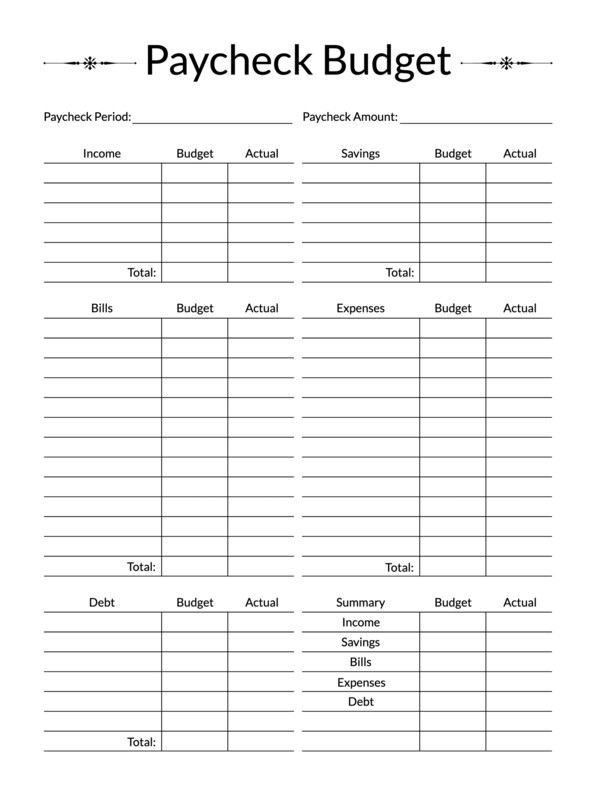
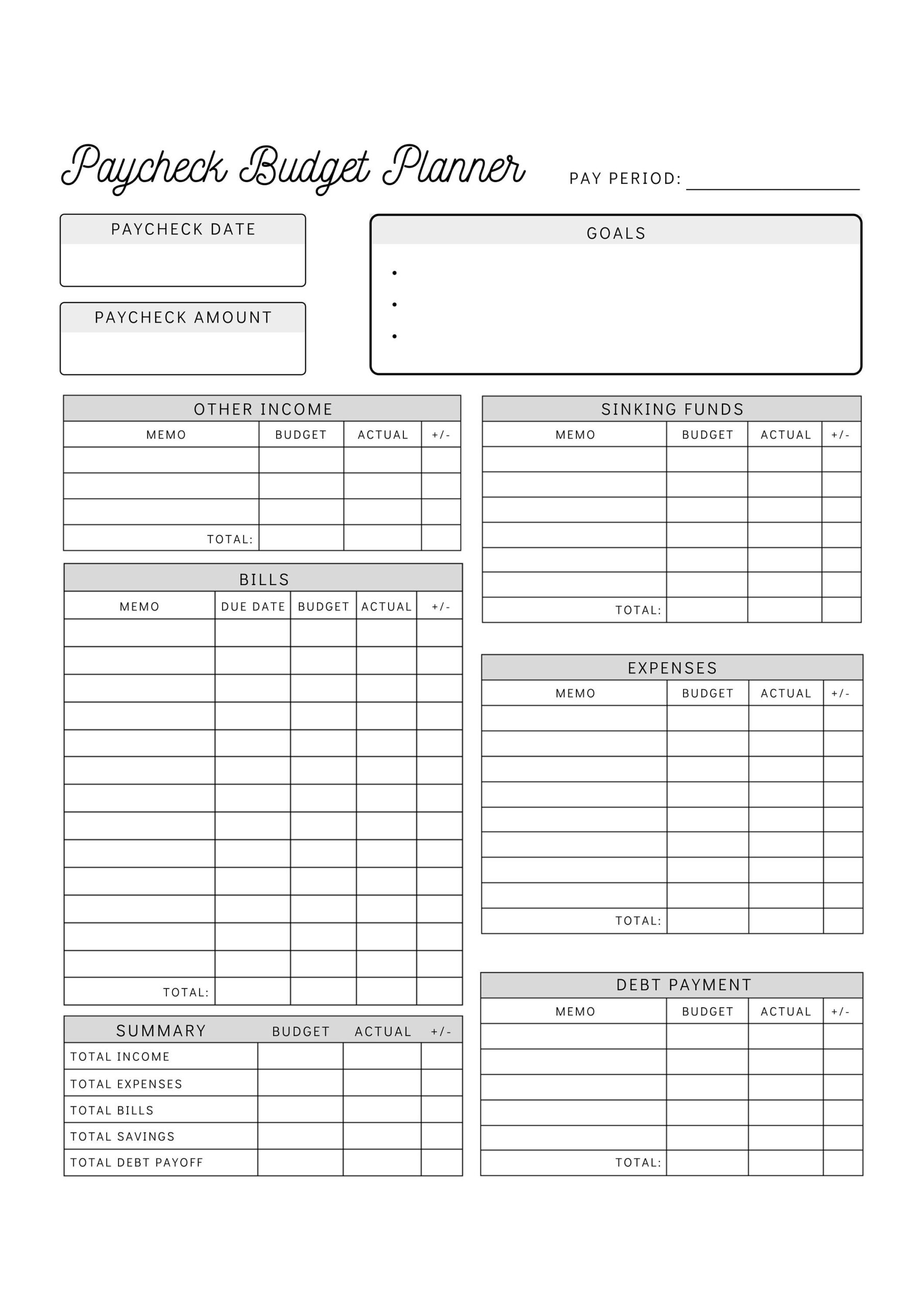
- Income: List all sources of income, including wages, bonuses, and any other additional income.
- Expenses: Categorize your expenses into fixed (rent, utilities) and variable (groceries, entertainment) categories.
- Savings: Allocate a portion of your income towards savings, emergency funds, retirement accounts, or other financial goals.
- Debt Repayment: If you have outstanding debts, include a plan to pay them off systematically.
By including these components in your paycheck budget, you can create a clear and comprehensive financial plan that aligns with your goals and priorities.
How to Create a Paycheck Budget
Follow these steps to create a paycheck budget that works for you:
1. Track Your Income and Expenses
Start by tracking your income and expenses for a month to understand your spending habits and identify areas where you can make adjustments.
2. Set Financial Goals
Determine your short-term and long-term financial goals, such as saving for a vacation, buying a house, or paying off debt.
3. Allocate Your Income
Distribute your income towards expenses, savings, and debt repayment based on your priorities and financial goals.
4. Monitor and Adjust
Regularly monitor your budget and make adjustments as needed to stay on track and achieve your financial objectives.
5. Seek Professional Help
If you’re struggling to create or maintain a budget, consider seeking help from a financial advisor or counselor who can provide guidance and support.
Tips for Successful Paycheck Budgeting
Here are some tips to help you succeed in managing your paycheck budget:
- Be Realistic: Set achievable financial goals and budget realistically for your expenses.
- Automate Savings: Set up automatic transfers to your savings account to ensure you prioritize saving.
- Avoid Impulse Spending: Stick to your budget and avoid unnecessary purchases that can derail your financial plan.
- Review Regularly: Review your budget regularly and make adjustments as needed to stay on track.
- Celebrate Milestones: Celebrate your financial achievements, whether big or small, to stay motivated and focused on your goals.
By following these tips and strategies, you can master your paycheck budget and take control of your financial future.

- Printable Weekly Cleaning Schedule Template - September 17, 2026
- Free Printable Travel Budget Template - September 17, 2026
- Printable Weekly Lesson Planner Template - September 17, 2026
