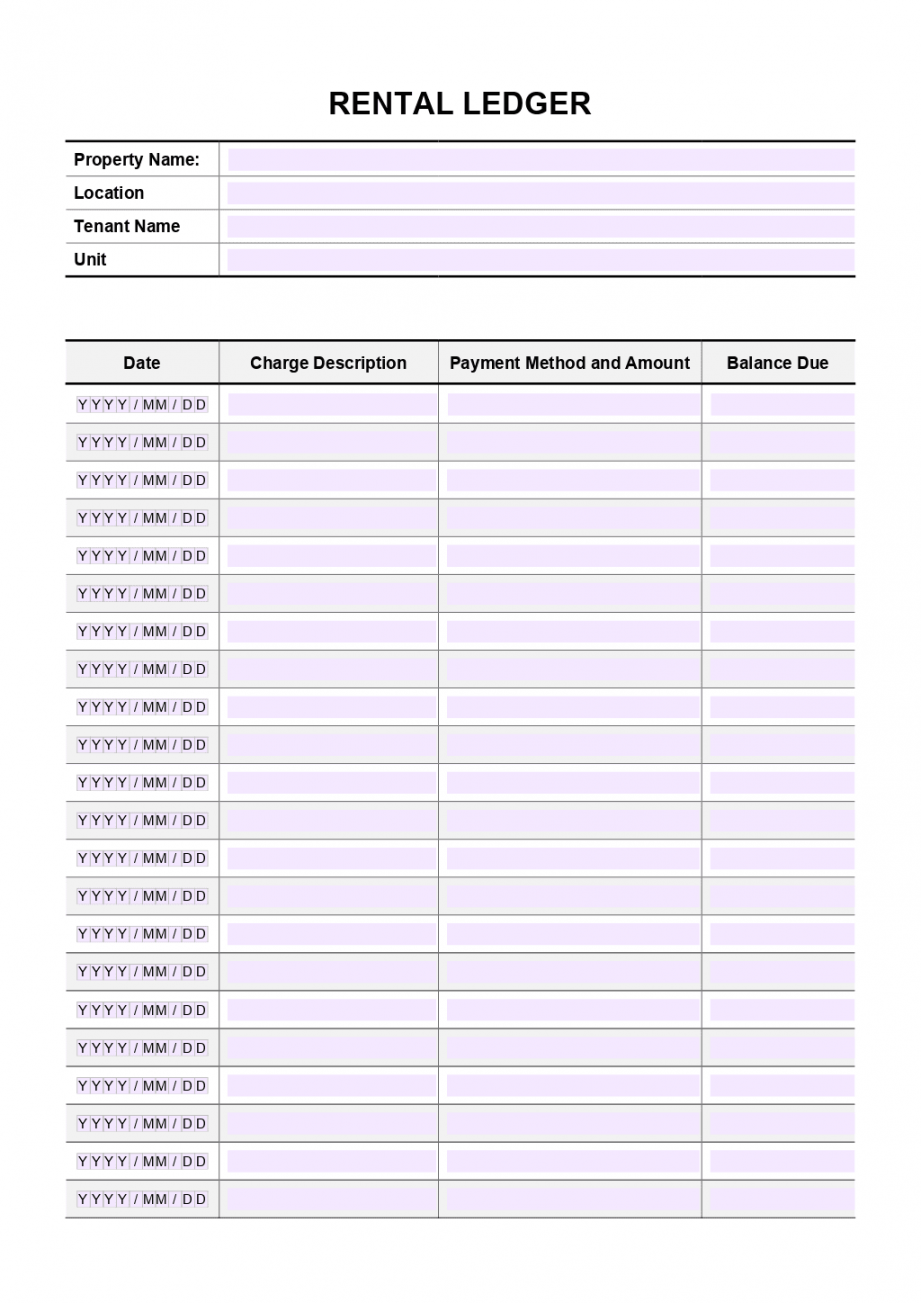
Have you ever heard of a rental ledger? If you’re a tenant, landlord, or property manager, this document plays a crucial role in your rental journey. In this comprehensive guide, we will delve into what a rental ledger is, why it’s important, what to include in it, how to maintain it, and tips for successful rental ledger management. Let’s explore this essential aspect of the rental process together.
What is a Rental Ledger?
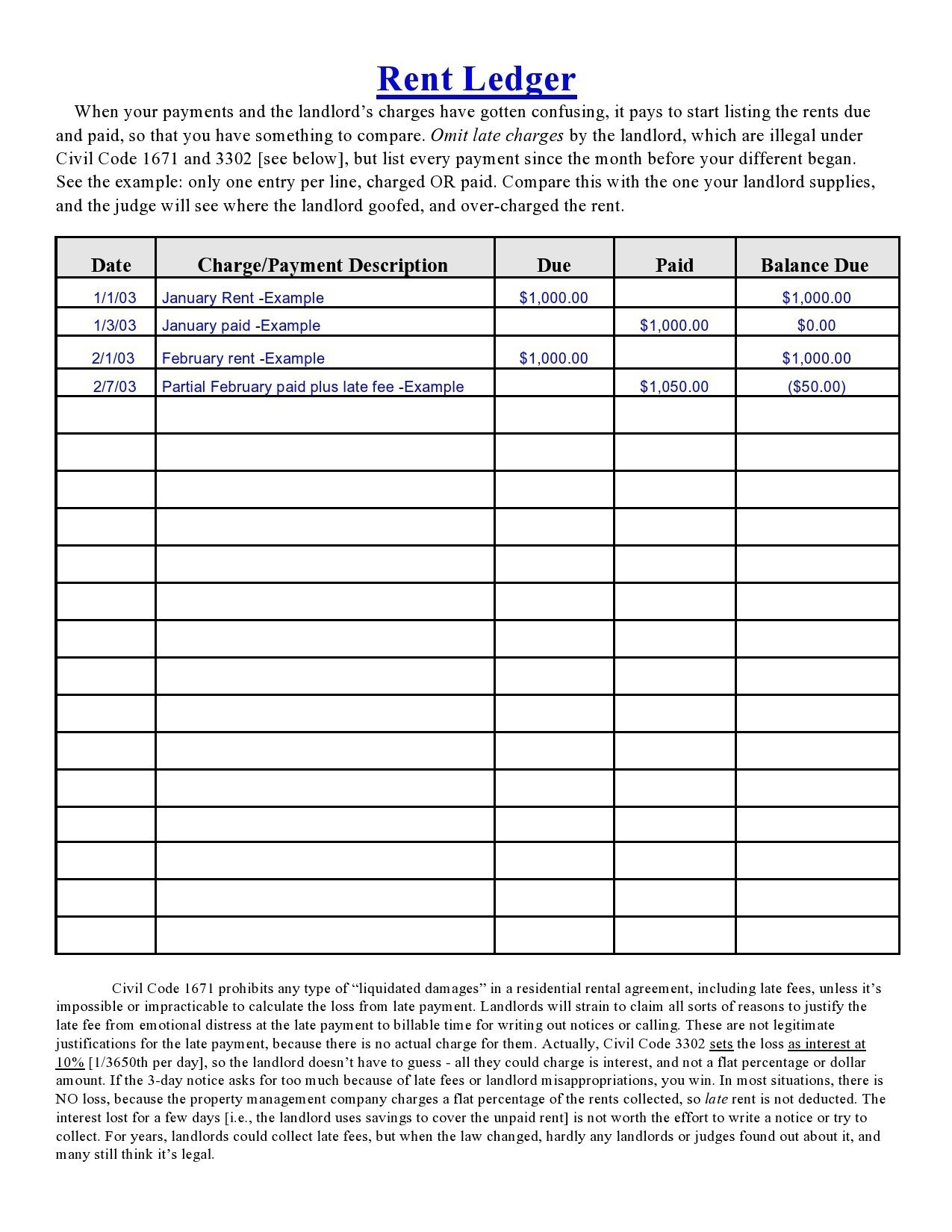
A rental ledger is a record of all financial transactions related to a rental property. It includes details such as rent payments, late fees, security deposits, maintenance costs, and any other charges or credits associated with the tenancy. This document serves as a reliable source of information for both landlords and tenants to track payment history and monitor any outstanding balances.
Why is a Rental Ledger Important?
A rental ledger is vital for maintaining transparency and accountability in the landlord-tenant relationship. For tenants, it provides a clear overview of their financial obligations and helps them stay on top of rent payments. Landlords can use the rental ledger to track income, assess tenant reliability, and resolve any disputes that may arise regarding payments.
What to Include in a Rental Ledger
When creating a rental ledger, make sure to include the following essential information:
- Tenant’s Name: Clearly identify the tenant associated with the ledger.
- Property Address: Specify the location of the rental property for reference.
- Rent Payments: Record each rent payment made by the tenant, including the amount and date.
- Late Fees: Note any late fees incurred by the tenant for overdue payments.
- Security Deposits: Document the amount of the security deposit and any deductions made.
How to Maintain a Rental Ledger
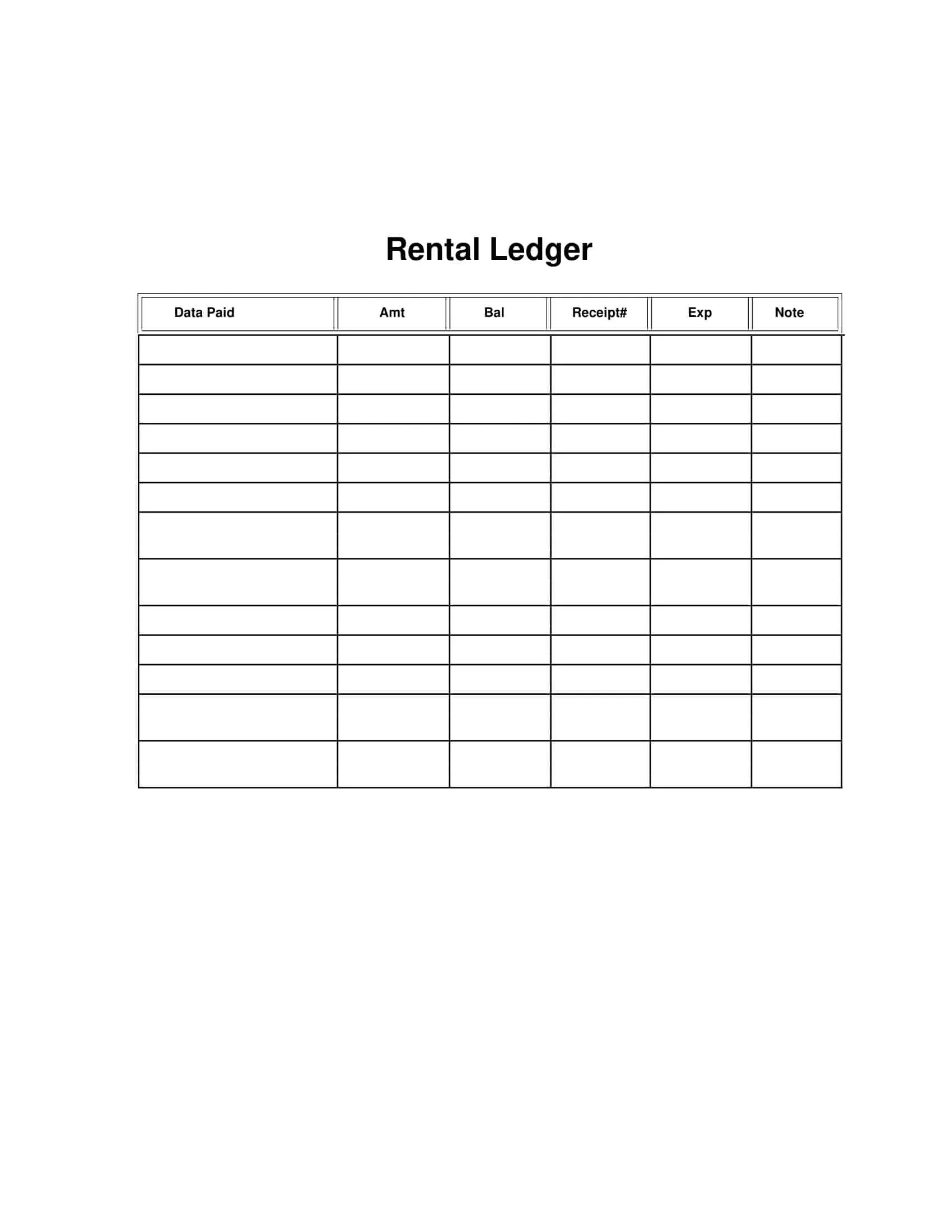
Maintaining a rental ledger requires diligence and organization. Here are some tips to help you keep your rental ledger accurate and up-to-date:
- Use a Digital Format: Consider using spreadsheet software or property management tools to create and manage your rental ledger electronically.
- Record Transactions Promptly: Input all financial transactions in the ledger as soon as they occur to avoid missing or forgetting important details.
- Keep Supporting Documents: Save copies of rent receipts, invoices, and communication with tenants to support the entries in your rental ledger.
- Review Regularly: Periodically review the rental ledger to ensure accuracy and address any discrepancies or outstanding balances promptly.
- Communicate Clearly: Maintain open communication with tenants regarding their rental payments and any updates to the ledger to avoid misunderstandings.
Tips for Successful Rental Ledger Management
Managing a rental ledger effectively can help streamline your rental process and foster a positive landlord-tenant relationship. Here are some additional tips for successful rental ledger management:
- Automate Rent Collection: Consider setting up automatic rent payments to simplify the tracking of rent transactions in the ledger.
- Provide Monthly Statements: Offer tenants monthly statements detailing their rent payments and any additional charges for transparency.
- Document Maintenance Requests: Include records of maintenance requests and repairs in the rental ledger to track related expenses accurately.
- Seek Professional Help: If managing the rental ledger becomes overwhelming, consider hiring a property management company or accountant to assist with financial record-keeping.
- Stay Organized: Develop a system for storing and organizing rental ledger documents to easily access information when needed.
By following these guidelines and best practices, you can effectively manage your rental ledger and ensure smooth financial transactions between landlords and tenants. Remember, transparency and communication are key to a successful rental experience for all parties involved.

- Printable Weekly Cleaning Schedule Template - September 17, 2026
- Free Printable Travel Budget Template - September 17, 2026
- Printable Weekly Lesson Planner Template - September 17, 2026
