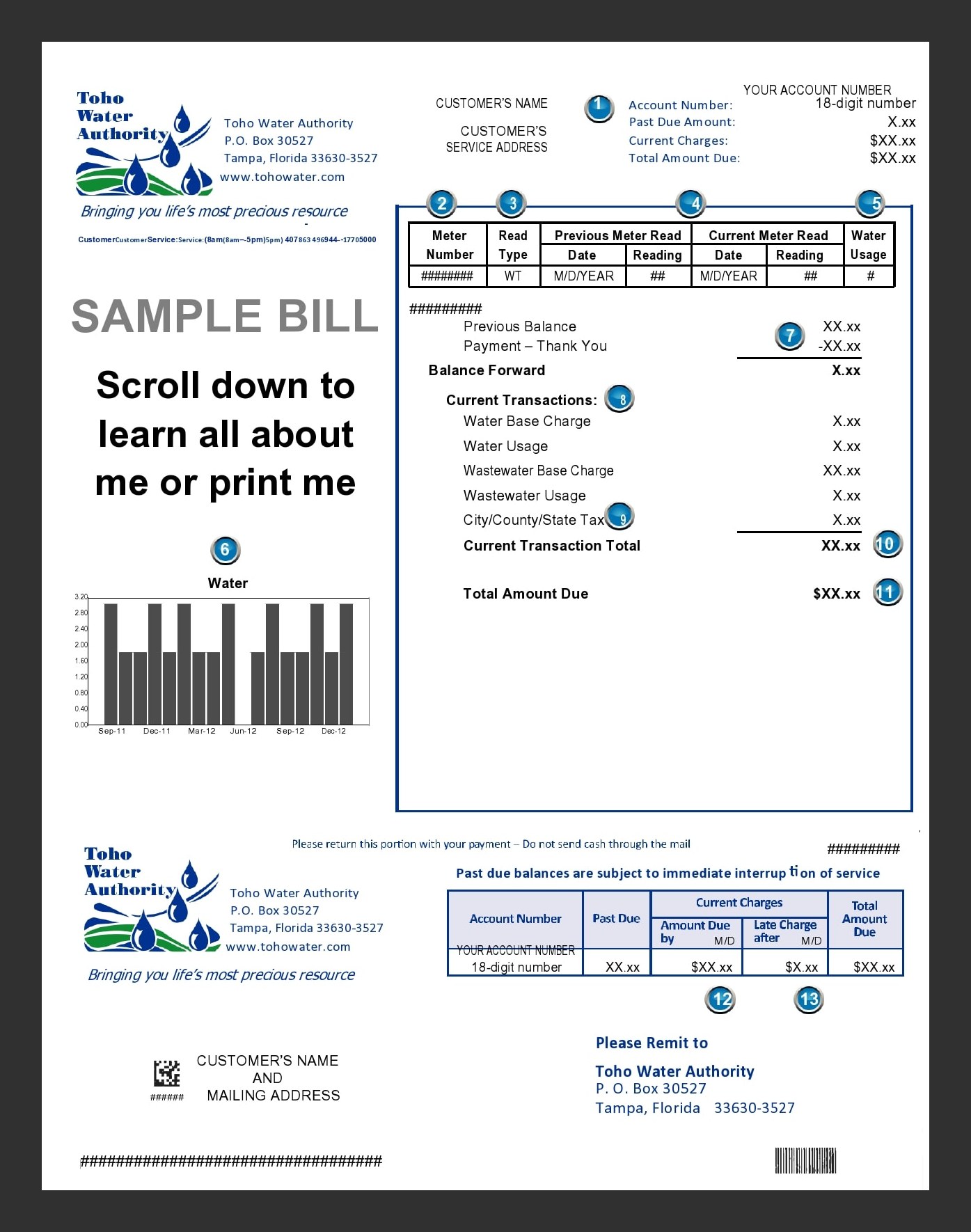
Utility bills are a common part of life for most people, but understanding them can be a challenge. Whether you’re a homeowner, renter, or business owner, knowing how to read and interpret your utility bill is important for managing your expenses and making informed decisions about your energy usage.
In this comprehensive guide, we’ll break down the key elements of a utility bill, explain why they are important, and provide tips for successfully managing your utility costs.
What is a Utility Bill?
A utility bill is a statement that outlines the charges for the services provided by public utilities such as electricity, water, gas, and sewage. These bills are typically issued on a monthly basis and may vary depending on usage, seasonality, and other factors. Utility bills are an essential part of maintaining a comfortable and functional living or working environment, but they can also be a significant expense for many households and businesses.
Why Understanding Your Utility Bill is Important
Understanding your utility bill is crucial for several reasons. First and foremost, it allows you to track your energy consumption and identify areas where you can reduce waste and save money. By understanding the breakdown of charges on your bill, you can also detect any errors or discrepancies that may be costing you extra money. Additionally, being aware of your utility costs can help you budget effectively and plan for future expenses.
Key Elements of a Utility Bill
Utility bills typically include the following key elements:
- Account Information. This section provides details about your account, including your name, address, and account number.
- Service Period. This indicates the dates for which the services were provided and the billing period covered by the current statement.
- Usage Summary. This shows your consumption of electricity, water, gas, or other utilities during the billing period.
- Charges. This section breaks down the costs associated with each utility service, including base fees, usage charges, and any applicable taxes or fees.
- Payment Information. Details on how much you owe, the due date, and payment options available to you.
Examples
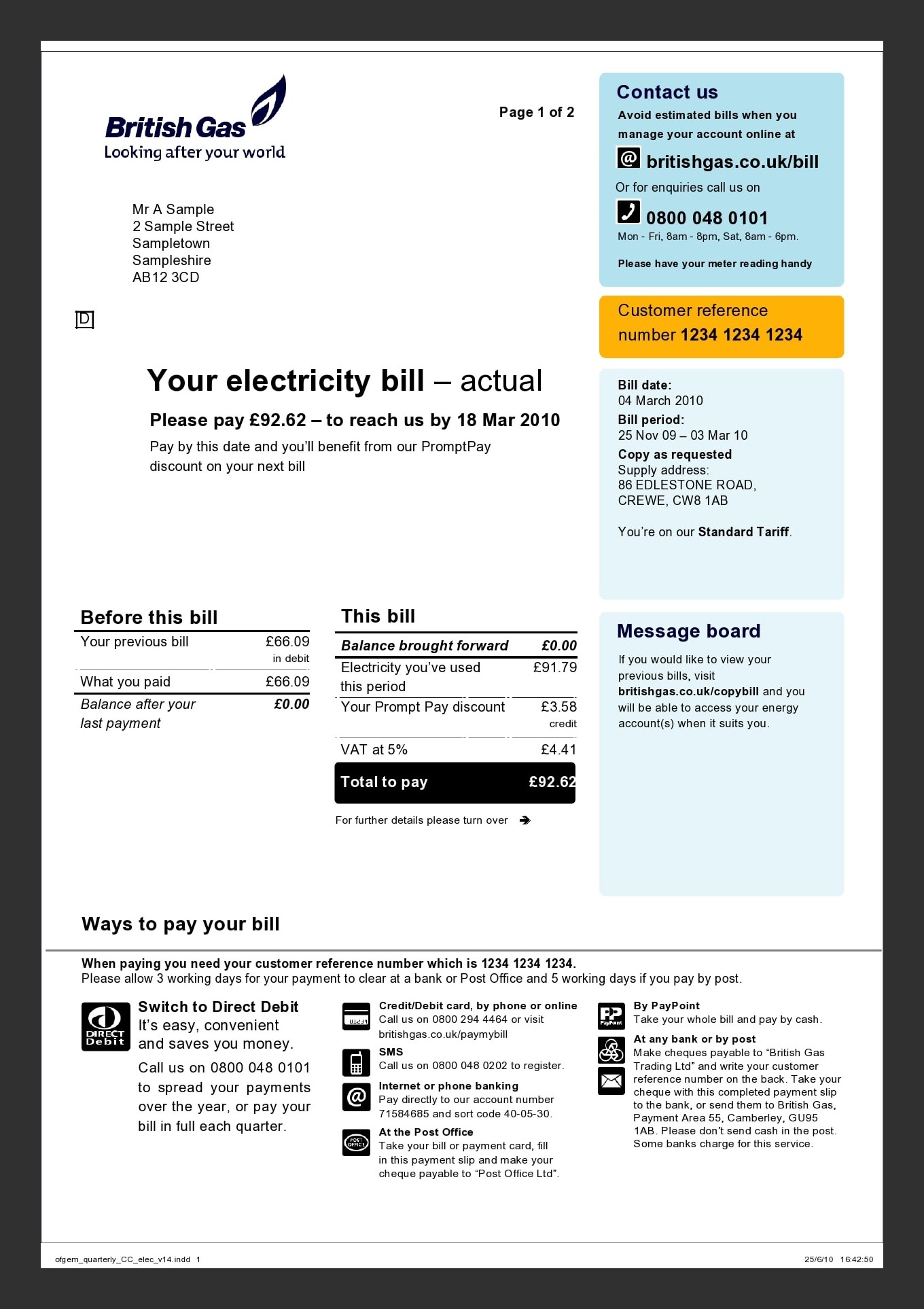
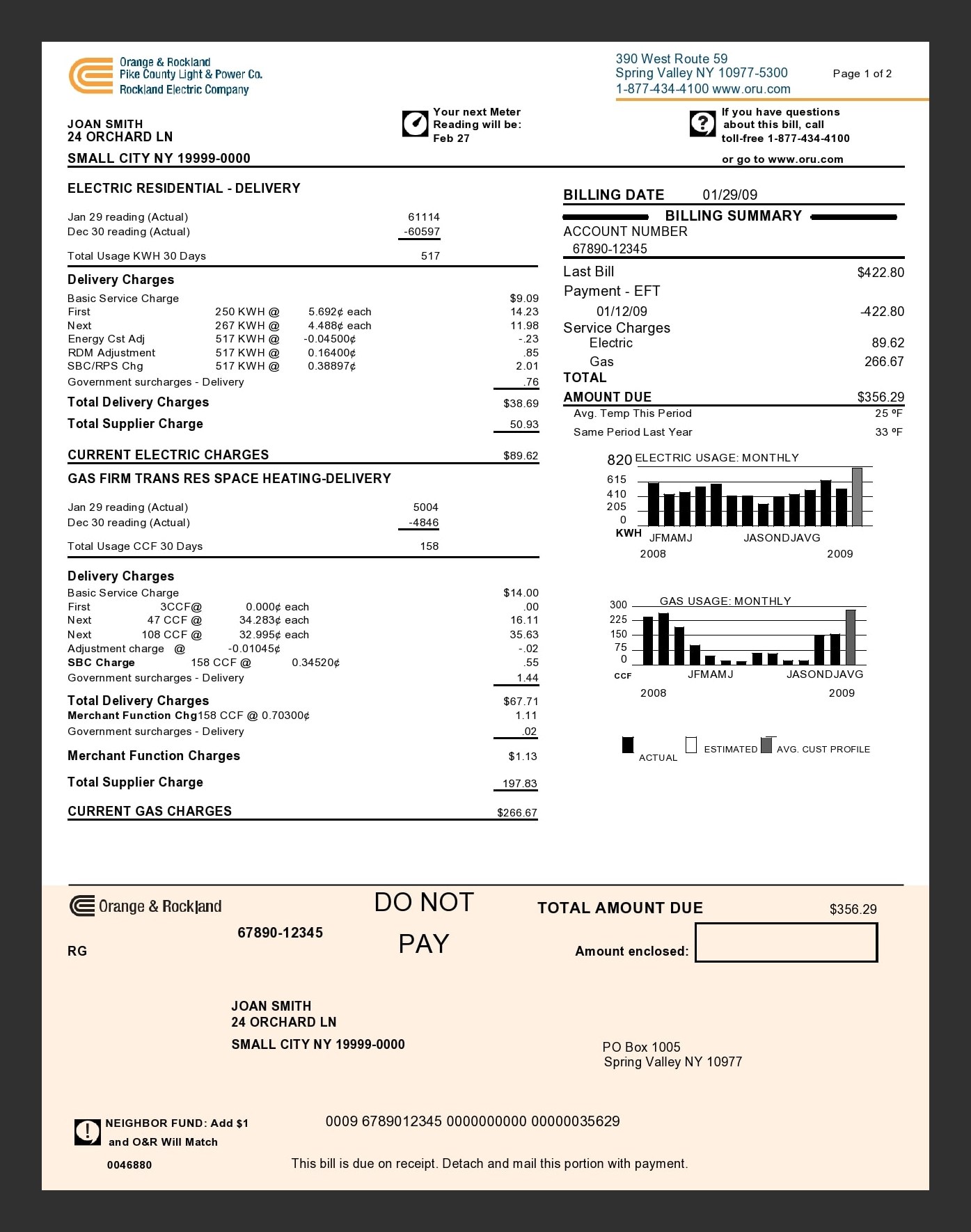
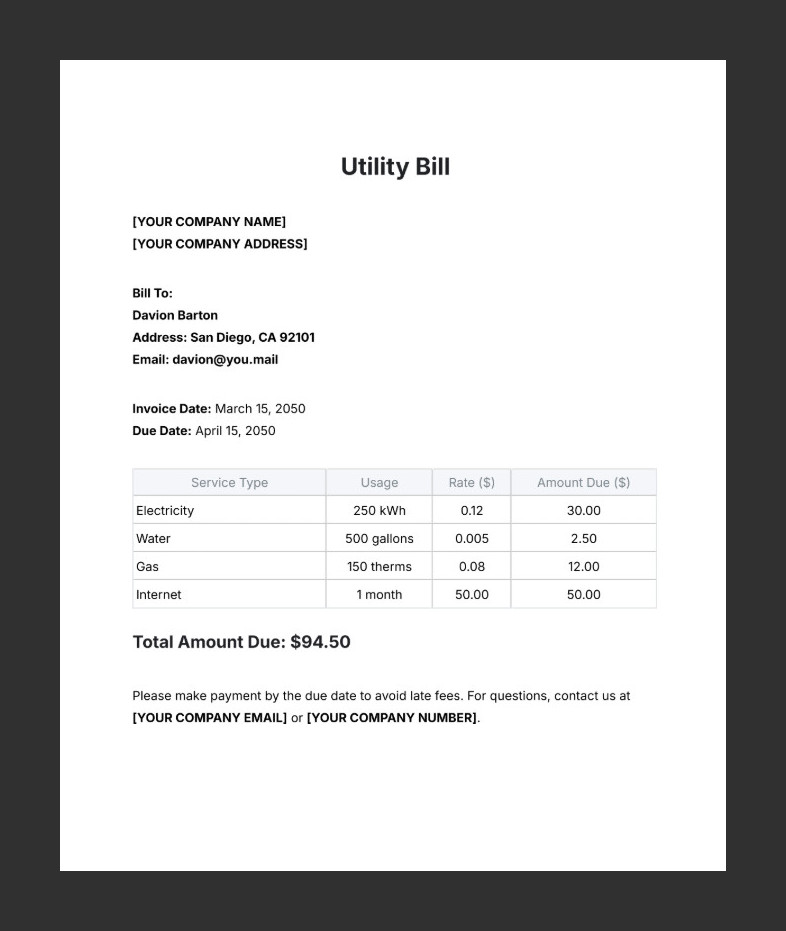
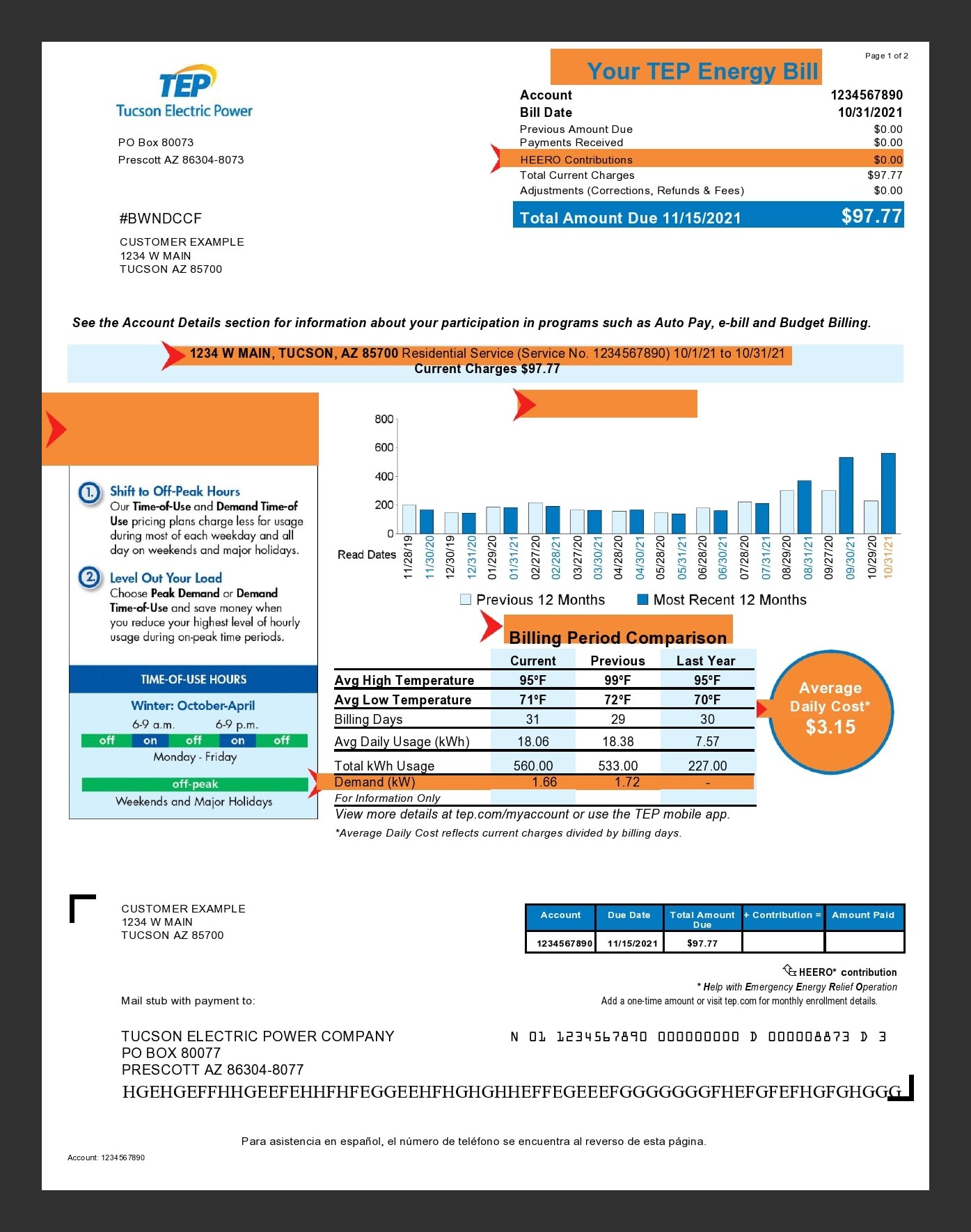
How to Read and Understand Your Utility Bill
Reading your utility bill may seem daunting at first, but with a little guidance, it can become second nature. Here are some tips to help you navigate your bill with ease:
1. Review the Usage Summary
Take note of your energy consumption for the billing period and compare it to previous months to identify any significant changes.
2. Understand the Charges
Look closely at the breakdown of charges on your bill to see where your money is going and if there are any opportunities to reduce costs.
3. Check for Errors
Scan your bill for any inaccuracies or discrepancies, such as incorrect meter readings or billing mistakes, and contact your utility provider to address them promptly.
4. Monitor Your Usage
Keep track of your energy usage throughout the month to avoid surprises on your next bill and make adjustments as needed to save money.
5. Explore Energy-Saving Options
Consider investing in energy-efficient appliances, lighting, and insulation to reduce your utility costs over time.
6. Set Up Auto-Pay
If available, enroll in automatic bill payment to ensure you never miss a payment deadline and avoid late fees.
7. Seek Assistance if Needed
If you’re struggling to pay your utility bill, reach out to your provider to inquire about payment plans or financial assistance programs that may be available.
Tips for Successful Utility Bill Management
Managing your utility bills effectively requires a proactive approach and a commitment to conserving energy. Here are some additional tips to help you stay on top of your utility costs:
- Track Your Usage. Keep a record of your energy consumption and make adjustments to your habits to reduce waste.
- Consider Renewable Energy. Explore options for solar panels or other renewable energy sources to offset your utility costs.
- Upgrade Your Appliances. Invest in energy-efficient appliances and fixtures to lower your electricity and water usage.
- Weatherize Your Home. Seal drafts, insulate your windows, and upgrade your HVAC system to improve energy efficiency.
- Compare Rates. Shop around for competitive utility rates and consider switching providers if you can find a better deal.
- Stay Informed. Keep up to date on changes in energy regulations, incentives for energy efficiency, and other factors that may impact your utility costs.
- Plan Ahead. Anticipate seasonal changes in energy usage and budget accordingly to avoid surprises on your utility bills.
By taking a proactive approach to managing your utility bills and staying informed about your energy usage, you can reduce waste, save money, and contribute to a more sustainable future for yourself and the planet. Remember, every small change you make can add up to significant savings over time!
Utility Bill Template – Download

- Bank Letter For Direct Deposit Template - October 20, 2026
- Bank Direct Deposit Form Template - October 20, 2026
- Background Check Authorization Form - October 20, 2026
