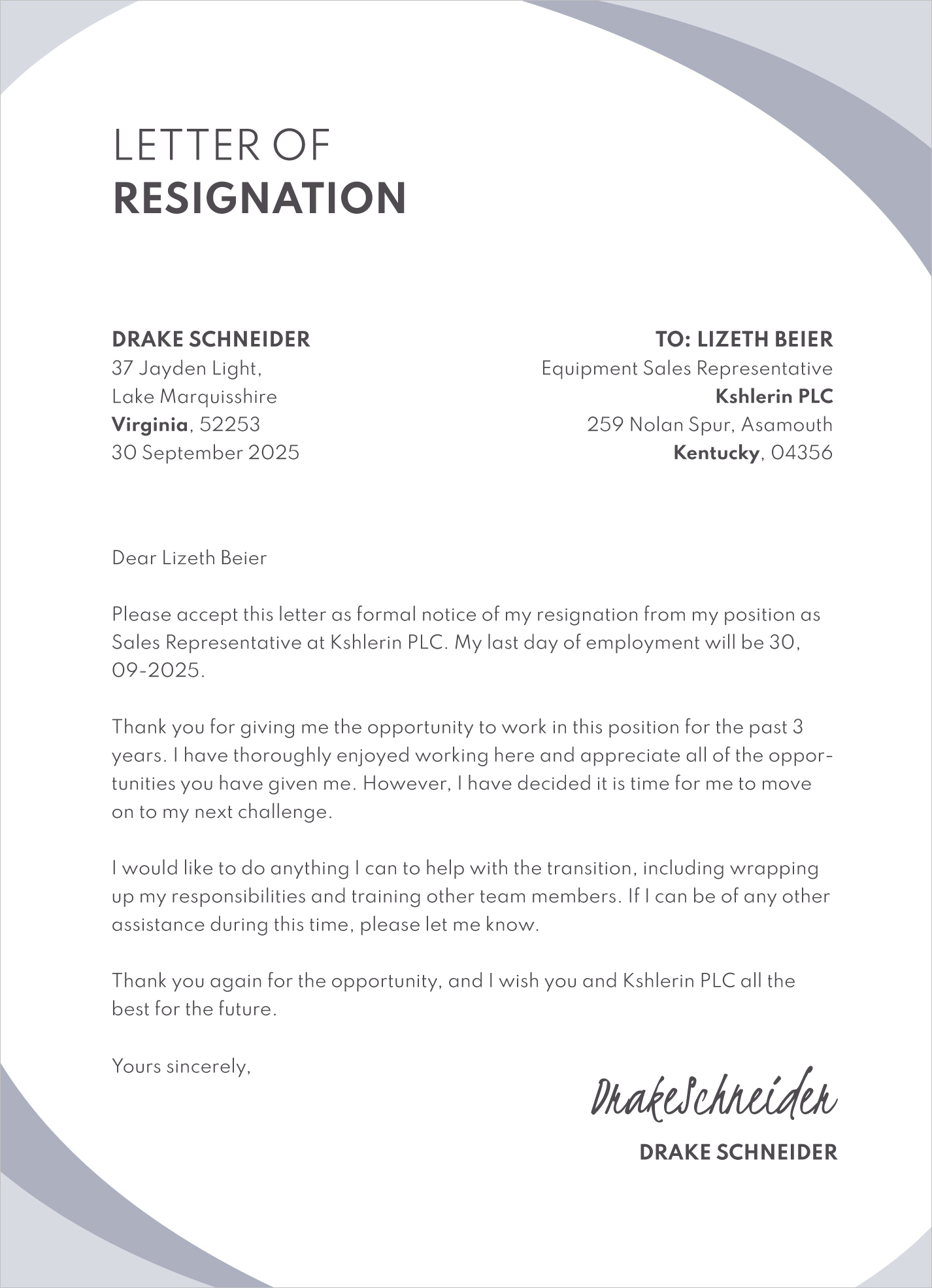
When the time comes to move on from your current job, it is important to leave on good terms by submitting a resignation letter with notice. This document serves as a professional courtesy to your employer, giving them ample time to find a replacement and ensuring a smooth transition. In this article, we will discuss the ins and outs of writing a resignation letter with notice, including what it is, why it is important, what to include, how to write it, and tips for a successful resignation process.
What is a Resignation Letter with Notice?
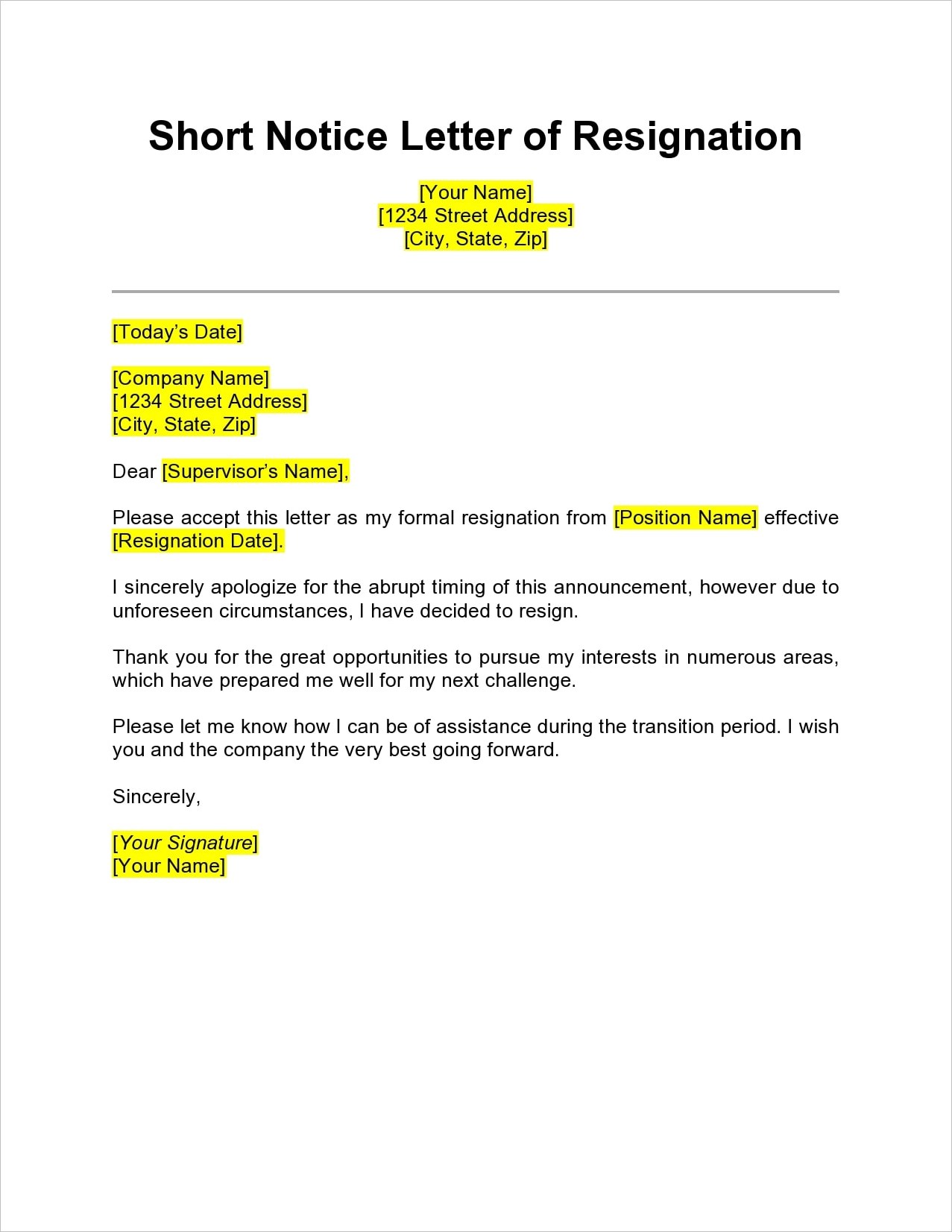
A resignation letter with notice is a formal letter that you submit to your employer to inform them of your decision to leave the company. It typically includes the date of your last working day, the reason for your resignation, and a statement of gratitude for the opportunities you have had during your time with the company. By providing notice, you are giving your employer time to make arrangements for your departure and ensuring a smooth transition for both parties.
Why is Writing a Resignation Letter with Notice Important?
Writing a resignation letter with notice is important for several reasons. First and foremost, it is a professional courtesy that shows respect for your employer and colleagues. By giving notice, you are demonstrating your commitment to leaving the company in good standing and ensuring that your departure does not disrupt the workflow. Additionally, a well-written resignation letter can help maintain positive relationships with your employer, which may be beneficial for future references or networking opportunities.
What to Include in a Resignation Letter with Notice
When writing a resignation letter with notice, there are several key elements to include:
- Date: The date of your letter.
- Recipient: The name and title of the person receiving the letter.
- Introduction: A brief statement of your intention to resign.
- Last Working Day: The date of your last working day, typically two weeks from the date of the letter.
- Reason for Resignation: A brief explanation of why you are leaving the company.
- Gratitude: A statement of gratitude for the opportunities and experiences you have had with the company.
- Closing: A polite closing, such as “Sincerely” or “Best regards.”
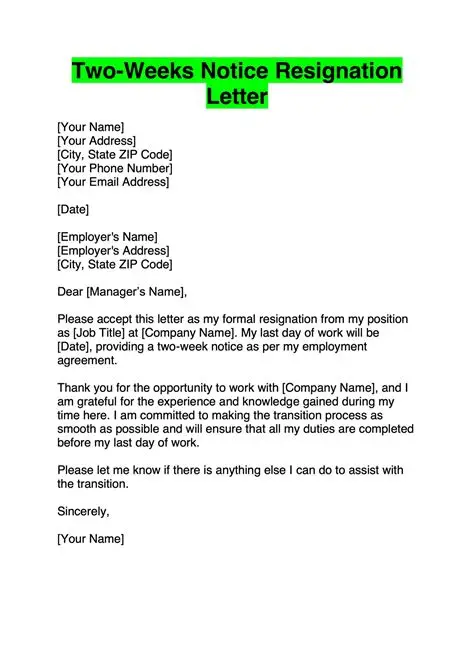
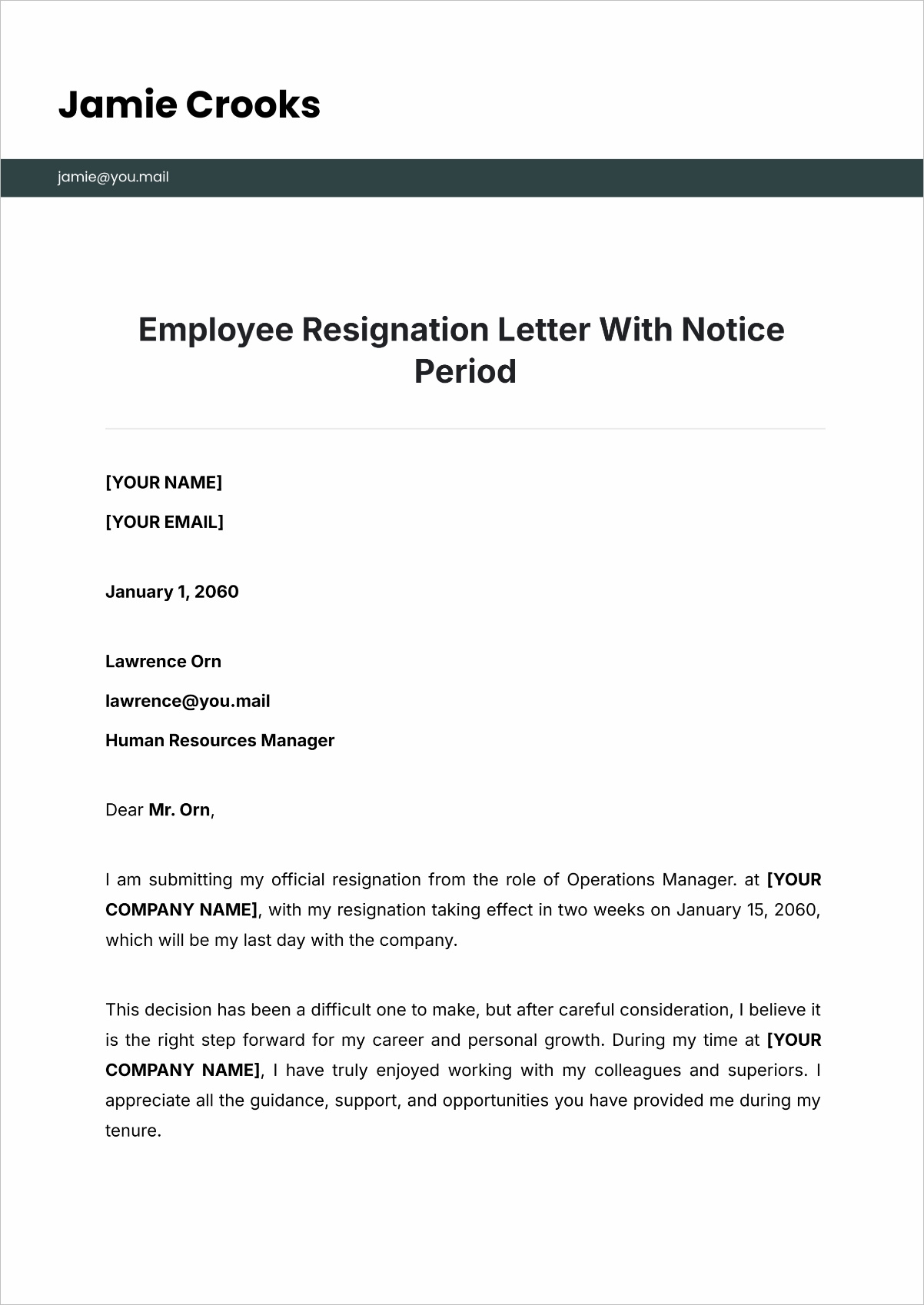
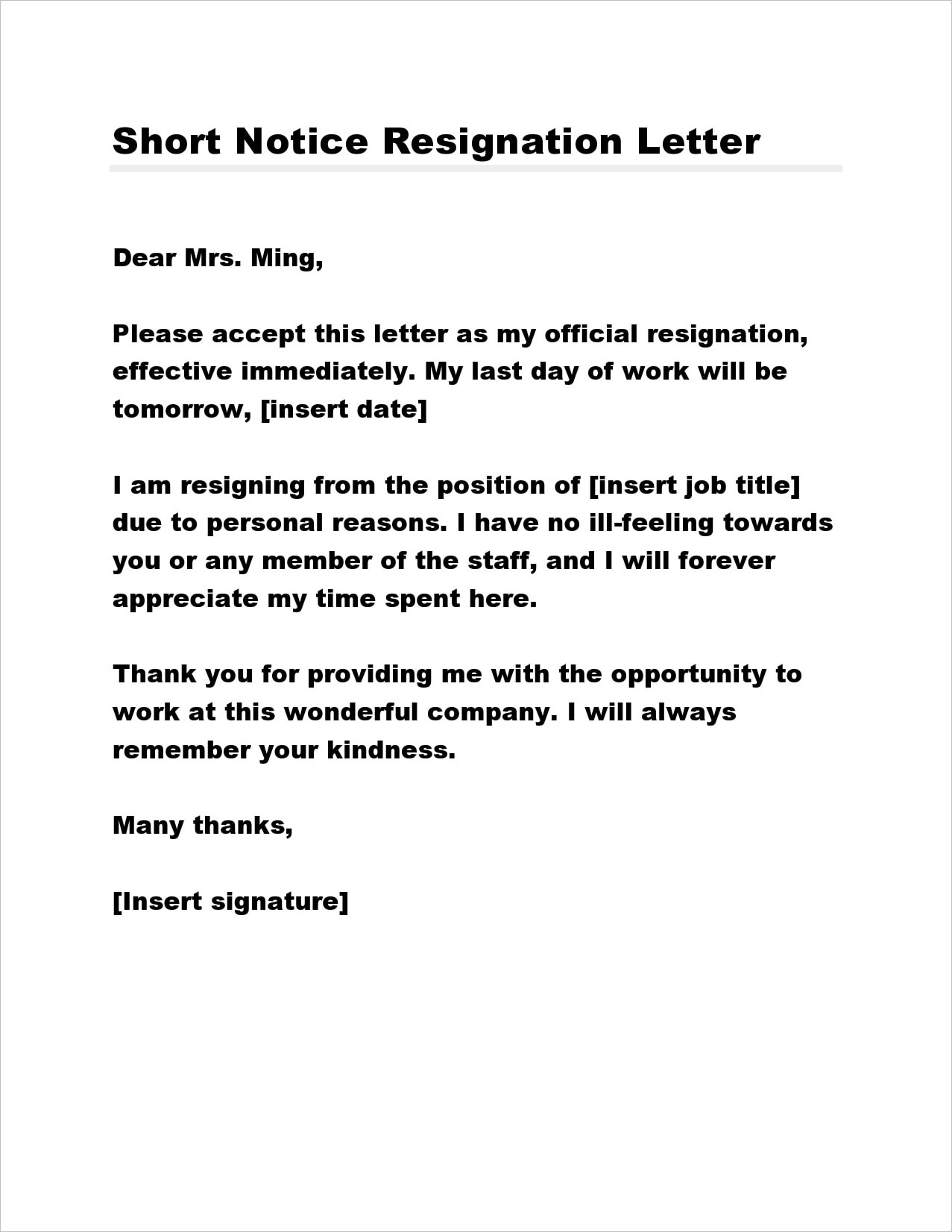
How to Write a Resignation Letter with Notice
Writing a resignation letter with notice can be a straightforward process if you follow these steps:
- Be Clear and Concise: Keep your letter simple and to the point.
- Use Professional Language: Maintain a professional tone throughout the letter.
- Express Gratitude: Show appreciation for the opportunities you have had with the company.
- Offer Assistance: Offer to help with the transition process during your notice period.
- Proofread: Double-check your letter for any errors before sending it.
Tips for Successful Resignation
When resigning from a job, it is important to handle the process with professionalism and grace. Here are some tips for a successful resignation:
- Give Sufficient Notice: Provide at least two weeks’ notice to allow for a smooth transition.
- Prepare for the Exit Interview: Be prepared to discuss your reasons for leaving during the exit interview.
- Stay Positive: Maintain a positive attitude throughout the resignation process.
- Keep in Touch: Stay in contact with colleagues and maintain positive relationships after leaving.
- Reflect on Your Experience: Take time to reflect on the lessons learned from your current job and how they can benefit your future career.
By following these tips and guidelines, you can ensure a smooth and professional resignation process that leaves a positive impression on your employer and colleagues. Remember, a well-written resignation letter with notice is a key step in ending your current employment on good terms and setting the stage for future opportunities.
Resignation Letter Template With Notice

- Ship Chart Template - October 5, 2026
- Free Printable Table Tent Template - October 5, 2026
- Free Printable Supply List Template - October 5, 2026
