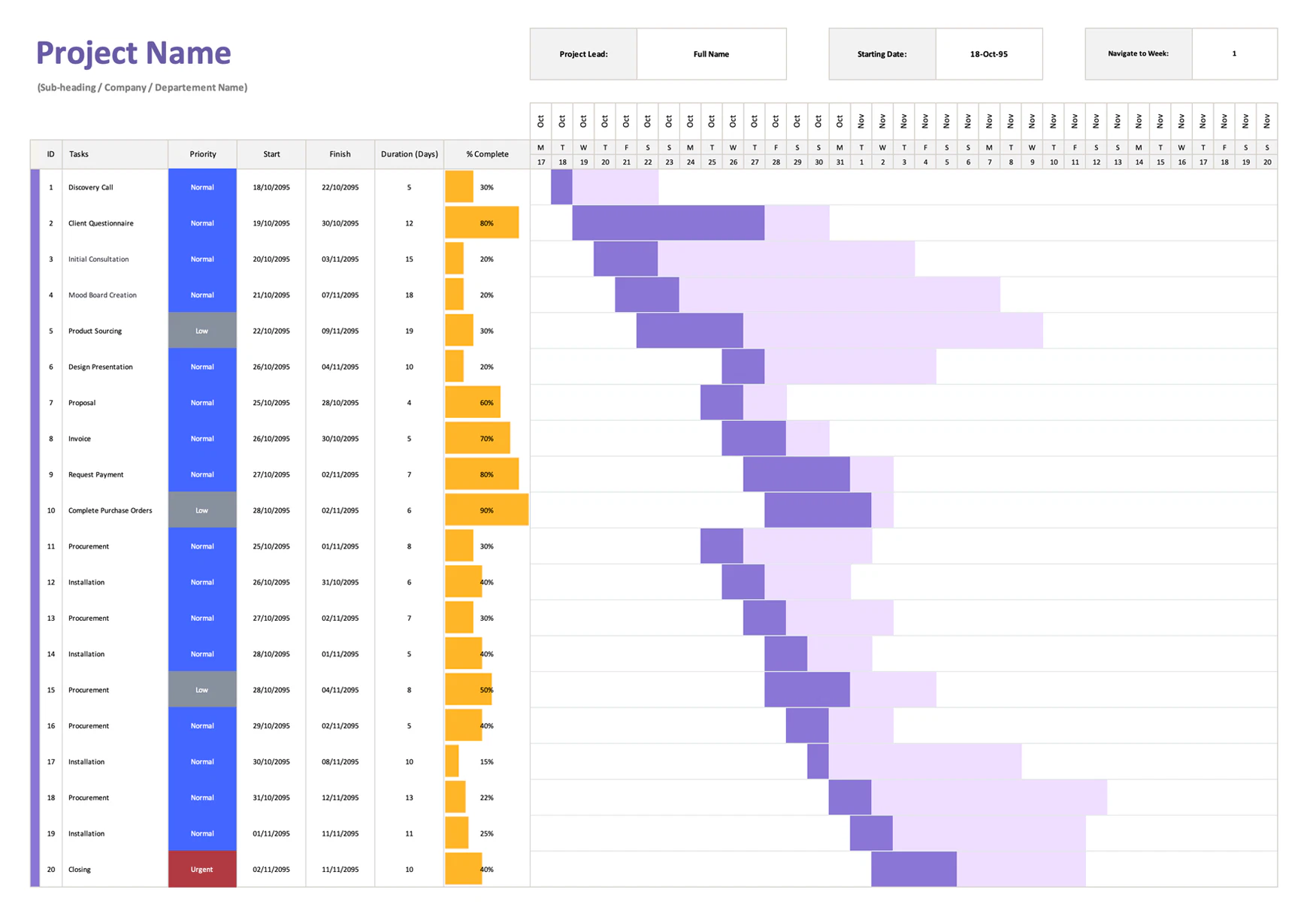
Project schedules are an essential tool for any project manager looking to keep their team on track and meet deadlines. A project schedule outlines the timeline, milestones, and tasks required to complete a project successfully. In this comprehensive guide, we will delve into the What, Why, What to Include, How to, and Tips for Successful project schedules.
What is a Project Schedule?
A project schedule is a roadmap that outlines the tasks, deadlines, milestones, and resources required to complete a project within a specified timeframe. It serves as a guide for project managers and team members, helping them stay organized and on track throughout the project lifecycle.
Why are Project Schedules Important?
Project schedules are crucial for the successful completion of any project. They help set clear expectations, allocate resources effectively, identify potential bottlenecks, and keep the project on track. Without a well-defined project schedule, projects are more likely to experience delays, cost overruns, and scope creep.
What to Include in a Project Schedule
When creating a project schedule, it is essential to include the following key elements:
- Tasks: Break down the project into specific tasks that need to be completed.
- Deadlines: Set realistic deadlines for each task and milestone.
- Dependencies: Identify any tasks that are dependent on each other.
- Resources: Allocate team members, materials, and equipment.
- Risk Management: Identify potential risks and develop mitigation strategies.
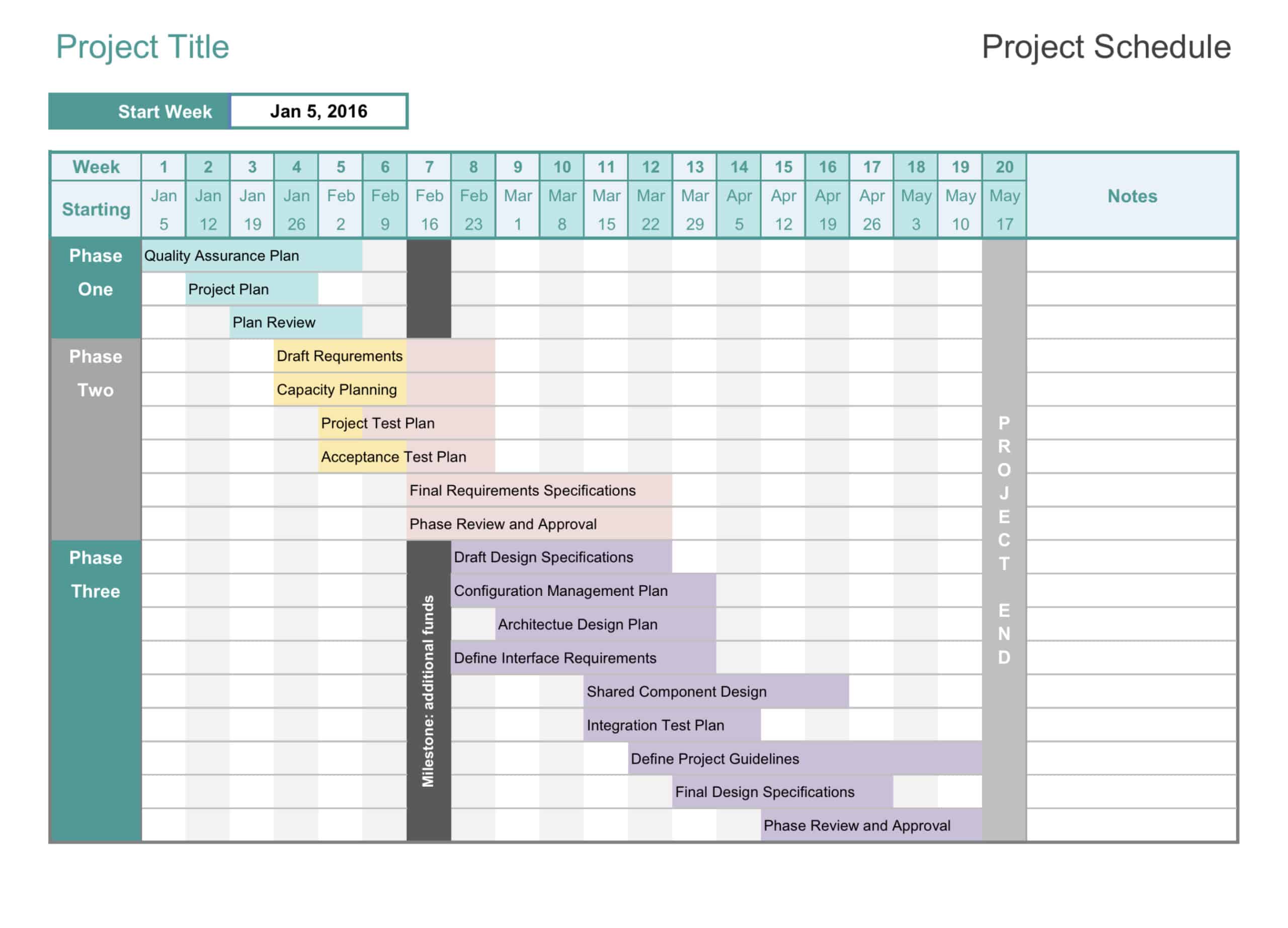
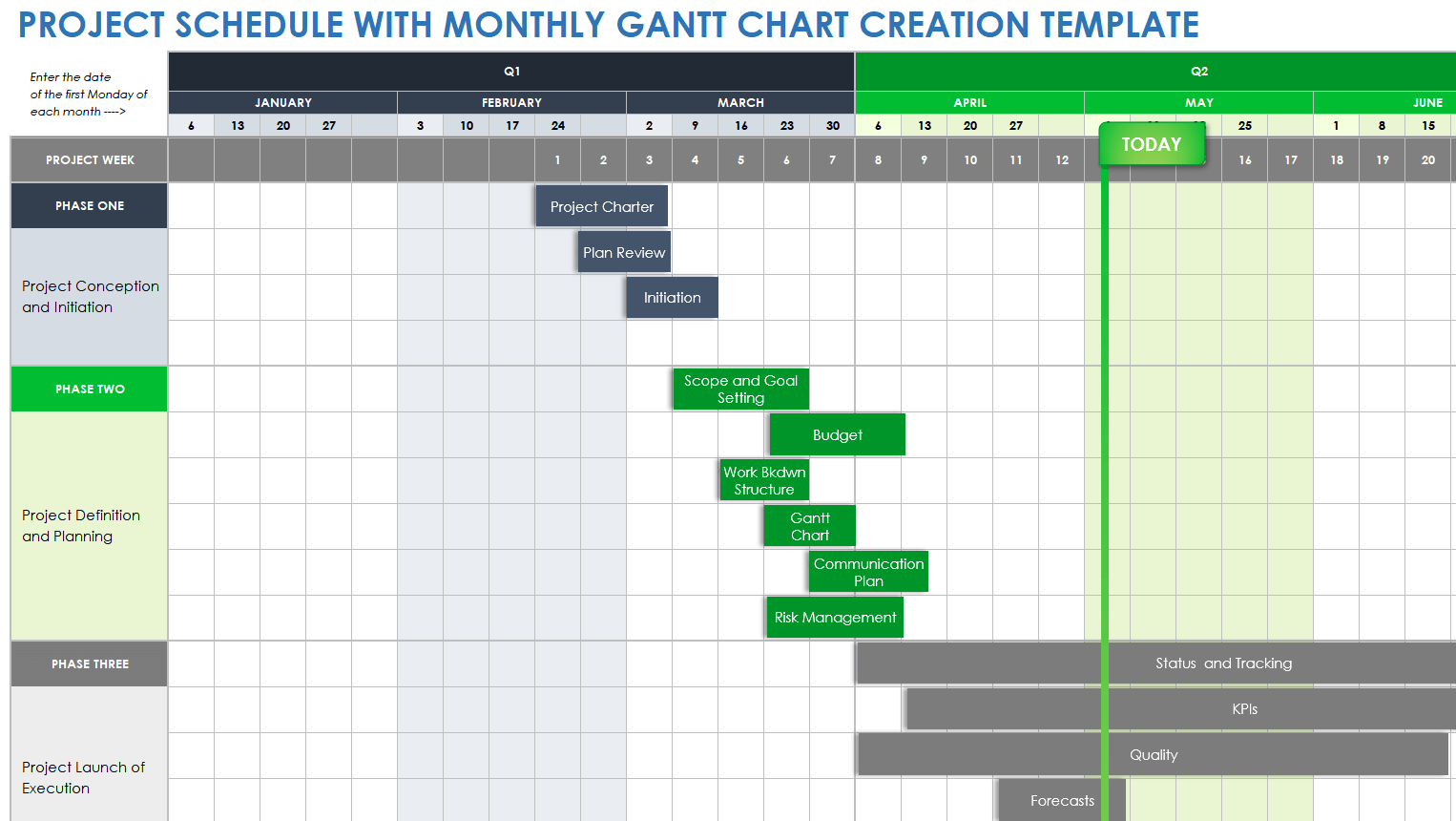
How to Create a Project Schedule
Creating a project schedule involves the following steps:
1. Define the Project Scope:
Start by clearly defining the project scope, objectives, and deliverables.
2. Break Down the Project:
Break down the project into tasks and subtasks, ensuring they are manageable and specific.
3. Estimate Time and Resources:
Estimate the time and resources required for each task, considering dependencies and constraints.
4. Sequence Tasks:
Determine the order in which tasks need to be completed, taking into account dependencies and critical paths.
5. Monitor and Update:
Regularly monitor the progress of the project and update the schedule as needed to accommodate changes or delays.
Tips for Successful Project Schedules
Here are some tips to ensure your project schedule is effective:
- Set Realistic Deadlines: Avoid setting unrealistic deadlines that could lead to burnout or rushed work.
- Communicate Clearly: Ensure all team members are aware of their roles, responsibilities, and deadlines.
- Use Project Management Software: Utilize project management tools to create, track, and update your project schedule.
- Regularly Review and Revise: Continuously review and revise your project schedule to adapt to changing circumstances.
- Celebrate Milestones: Recognize and celebrate milestones to keep the team motivated and engaged.
In Conclusion
Project schedules are a vital component of successful project management. By creating a well-defined project schedule, you can effectively plan, execute, and monitor your project, ensuring it stays on track and meets deadlines. Remember to include key elements such as tasks, deadlines, dependencies, resources, and risk management to create a comprehensive project schedule that sets your project up for success.

- Printable Weekly Cleaning Schedule Template - September 17, 2026
- Free Printable Travel Budget Template - September 17, 2026
- Printable Weekly Lesson Planner Template - September 17, 2026
