Request for Quote (RFQ) is a crucial process in the business world that allows companies to solicit bids from suppliers for products or services they require. This method of procurement is essential for businesses looking to make informed purchasing decisions and secure the best deals. In this article, we will delve into the intricacies of the RFQ process, why it is important, what to include in a request for quote, how to effectively create an RFQ, and tips for successful RFQ submissions.
Let’s explore how you can leverage RFQs to streamline your procurement process and drive business success.
What is a Request for Quote?
A Request for Quote (RFQ) is a formal invitation sent to potential suppliers or vendors to submit a bid for the provision of specific products or services. It is a document that outlines the requirements, specifications, and terms for the desired goods or services, allowing suppliers to prepare and submit their pricing proposals. RFQs are commonly used in industries such as manufacturing, construction, and information technology to obtain competitive pricing and select the most suitable suppliers.
Why a Request for Quote is Important
RFQs play a crucial role in the procurement process for businesses of all sizes. By issuing an RFQ, companies can:
- Ensure Competitive Pricing: By inviting multiple suppliers to submit quotes, businesses can compare prices and negotiate for the best deal.
- Streamline Procurement: RFQs help standardize the purchasing process, making it easier to evaluate and select suppliers based on predefined criteria.
- Improve Supplier Relationships: By establishing clear expectations and requirements upfront, RFQs help build trust and transparency with suppliers.
- Drive Cost Savings: Through competitive bidding and negotiations, businesses can reduce costs and maximize their purchasing power.
Overall, RFQs are an essential tool for businesses looking to make informed purchasing decisions, minimize risks, and optimize their supply chain.
What to Include in a Request for Quote
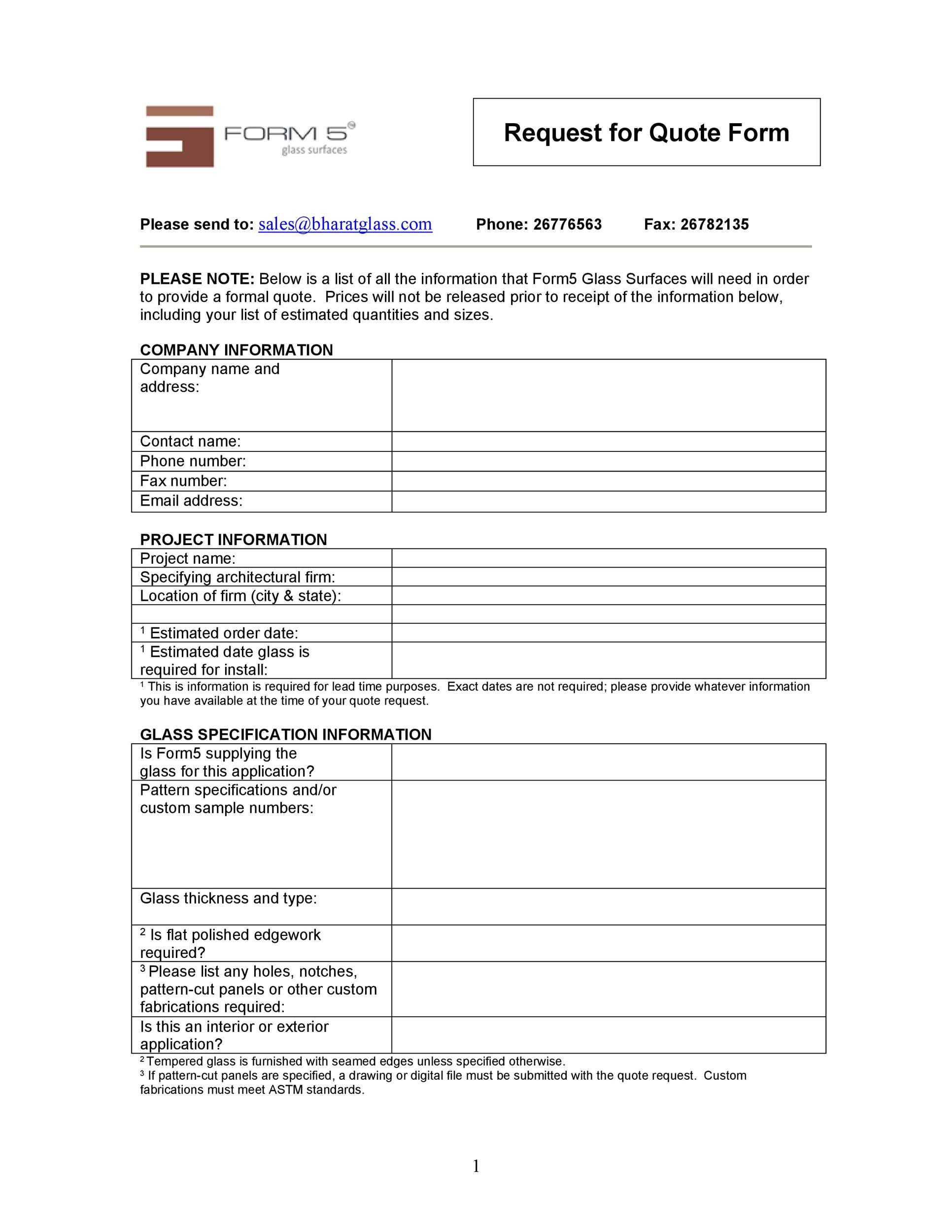
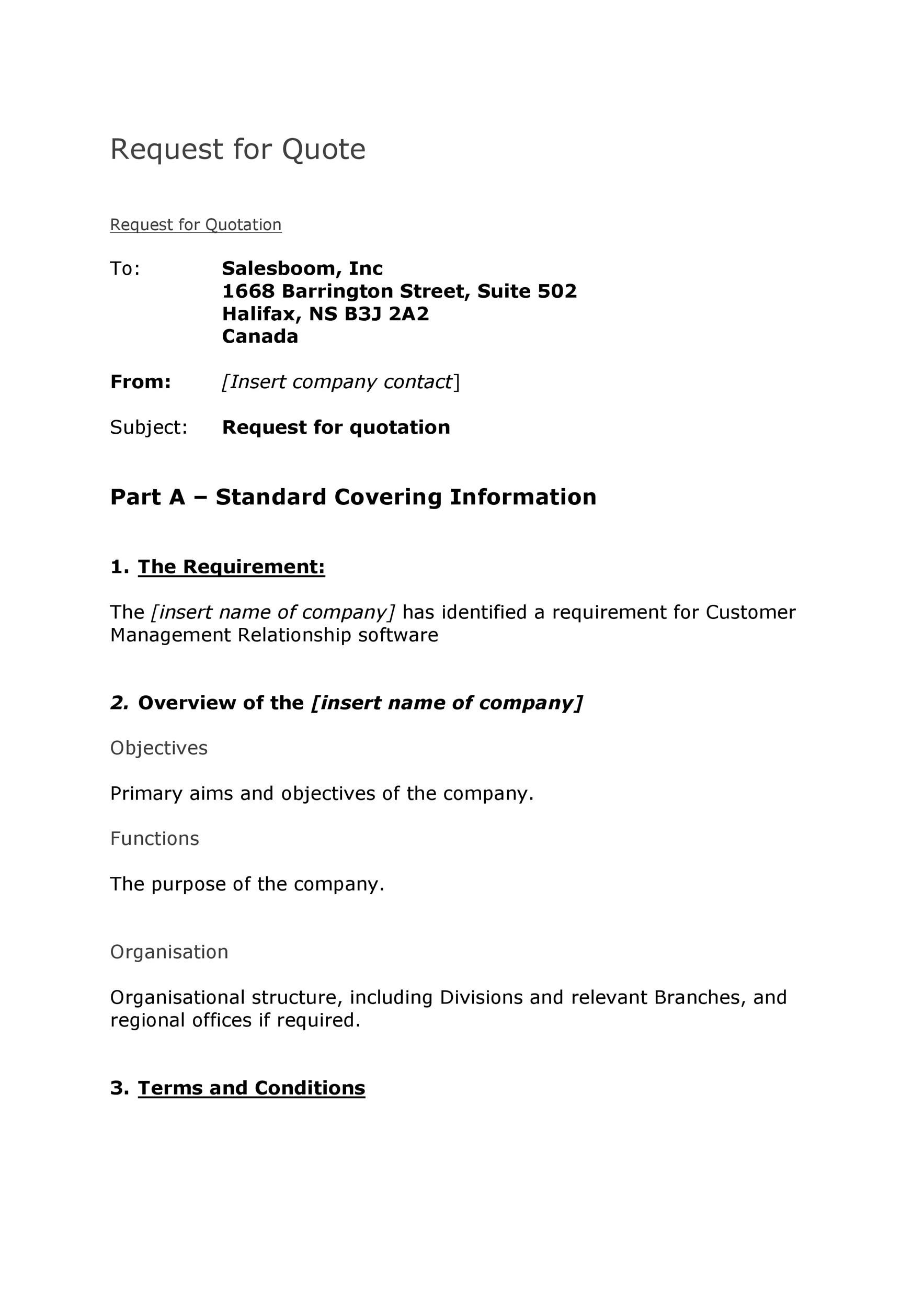
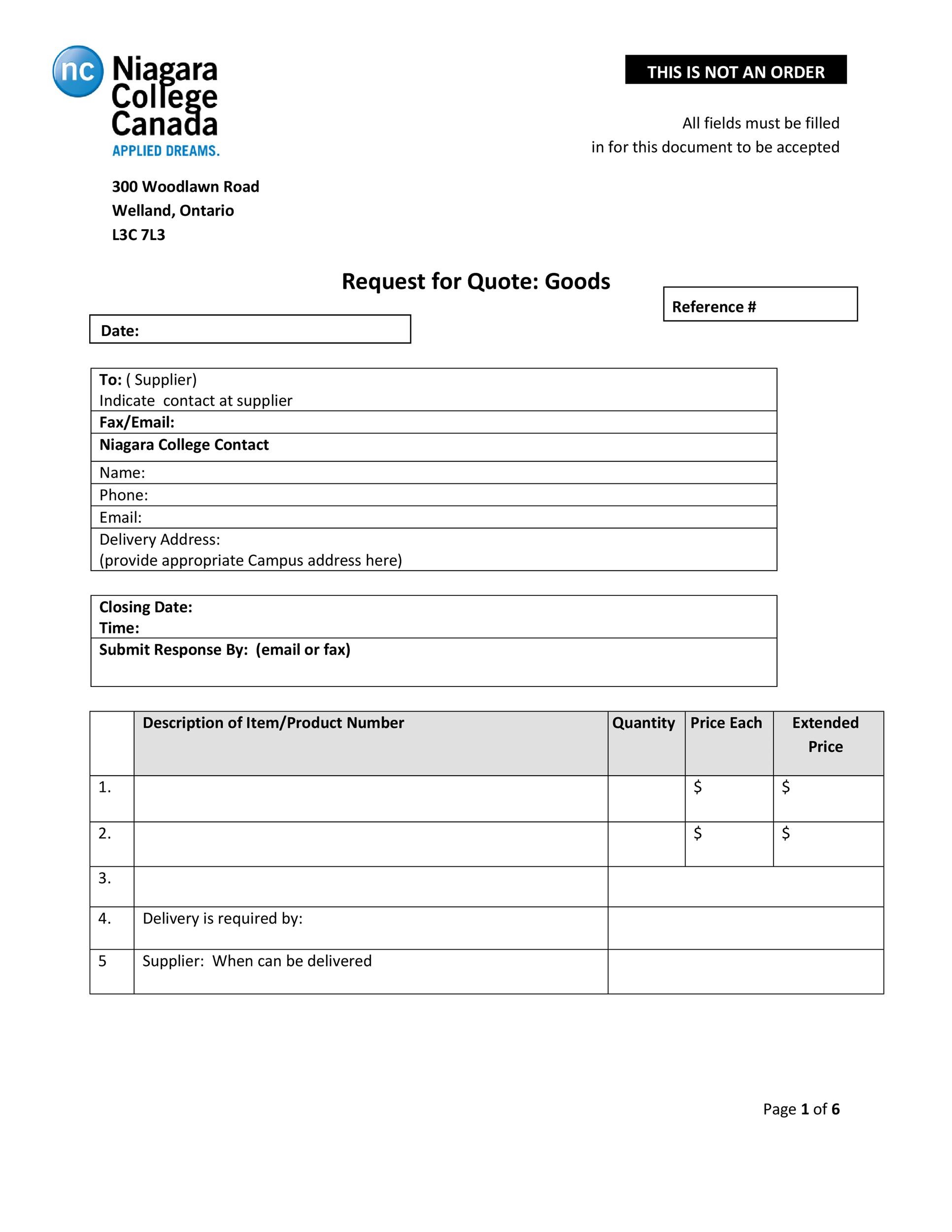
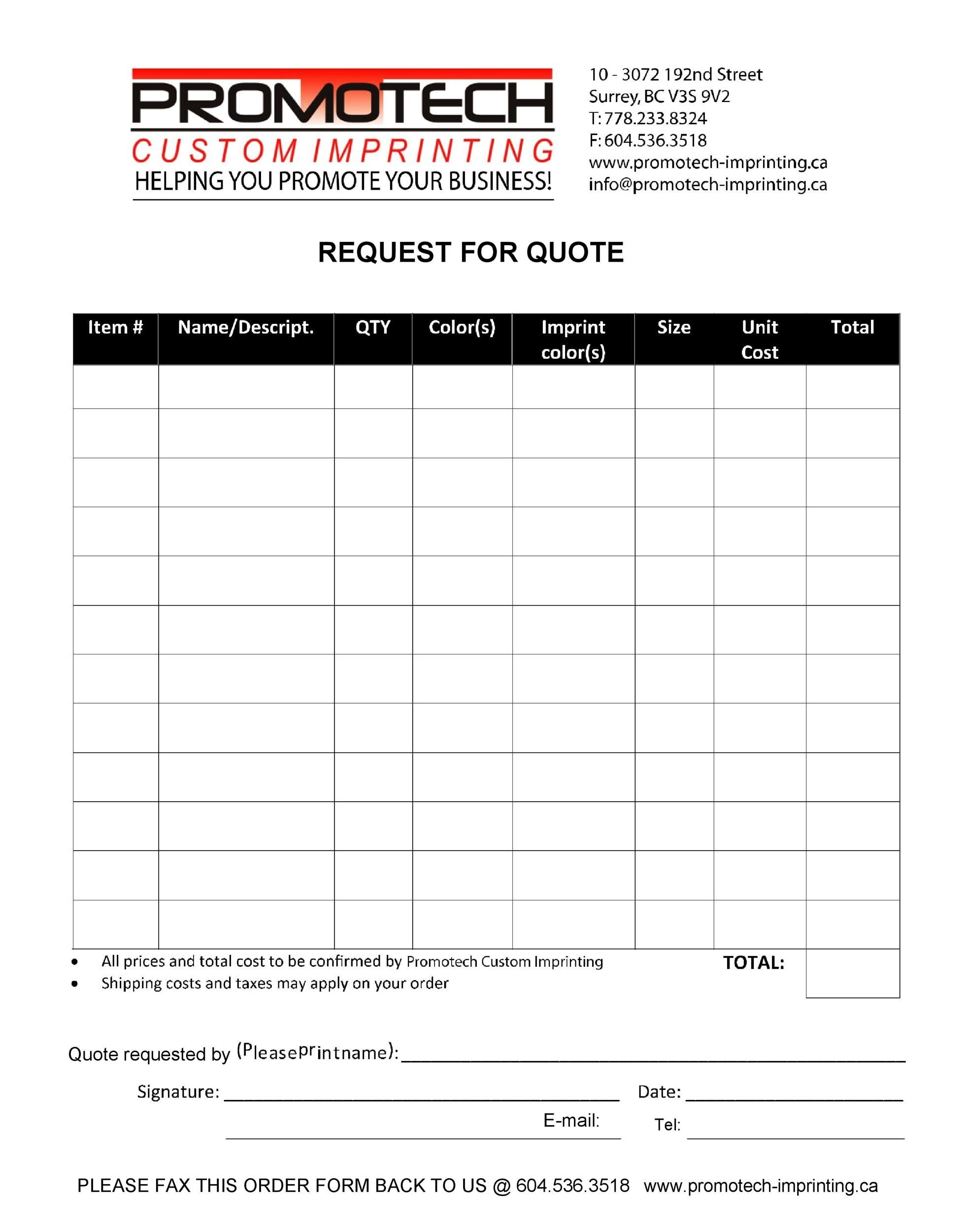
When creating an RFQ, it is important to include the following key elements:
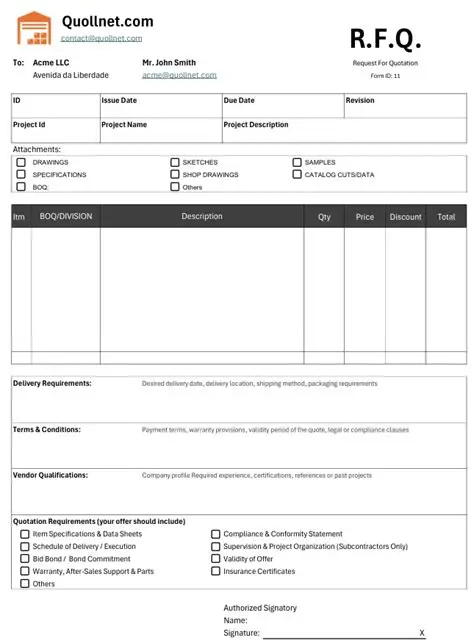
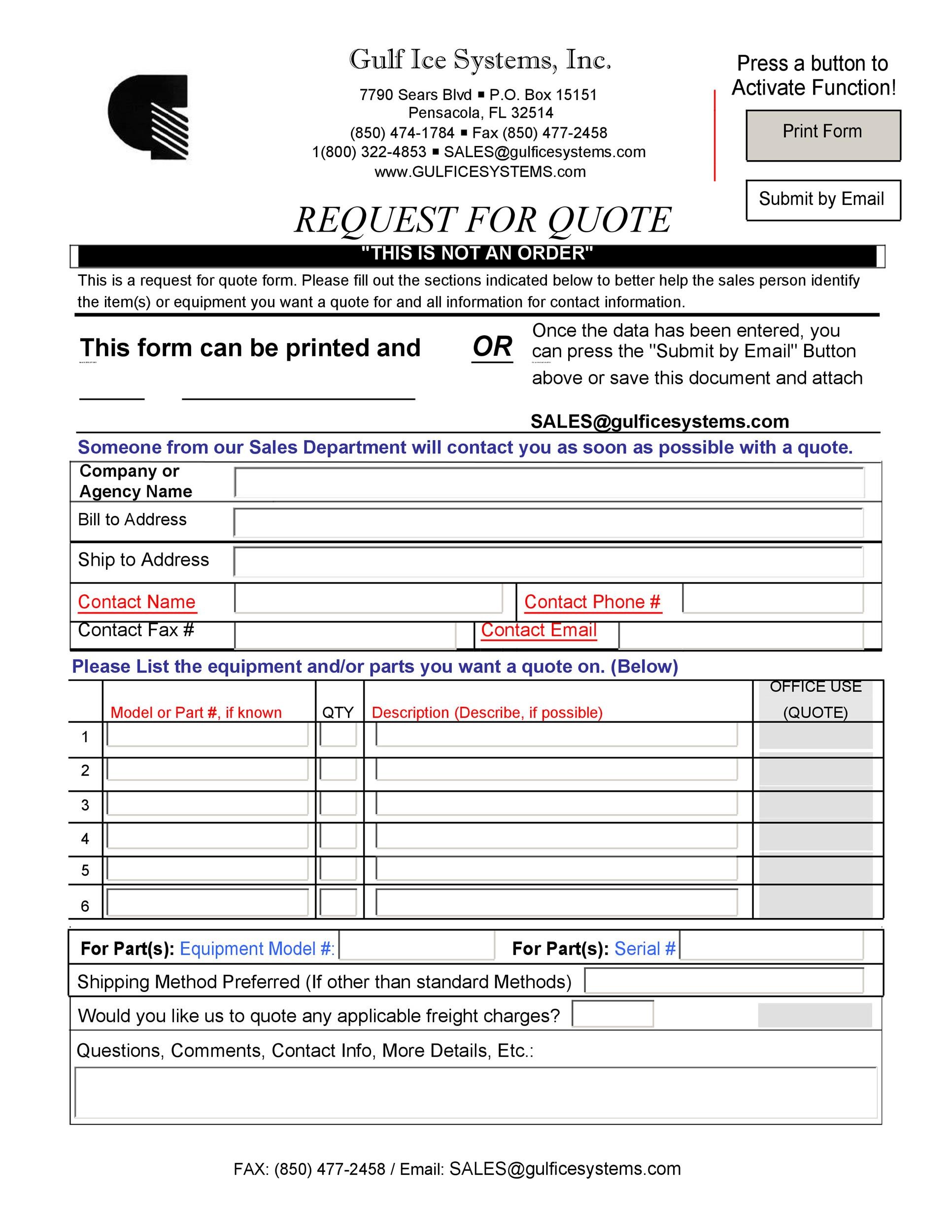
- Company Information: Provide a brief overview of your company, including your industry, size, and location.
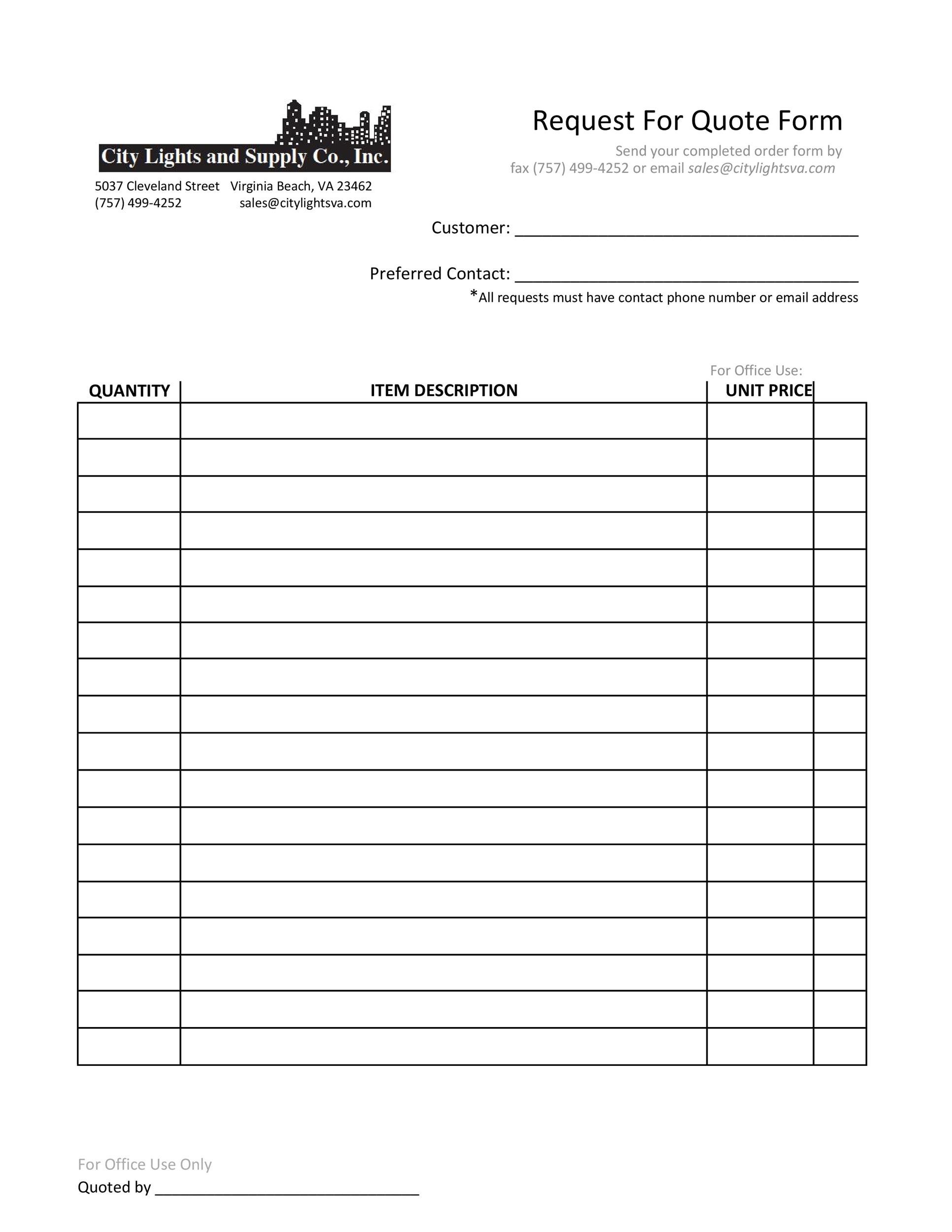
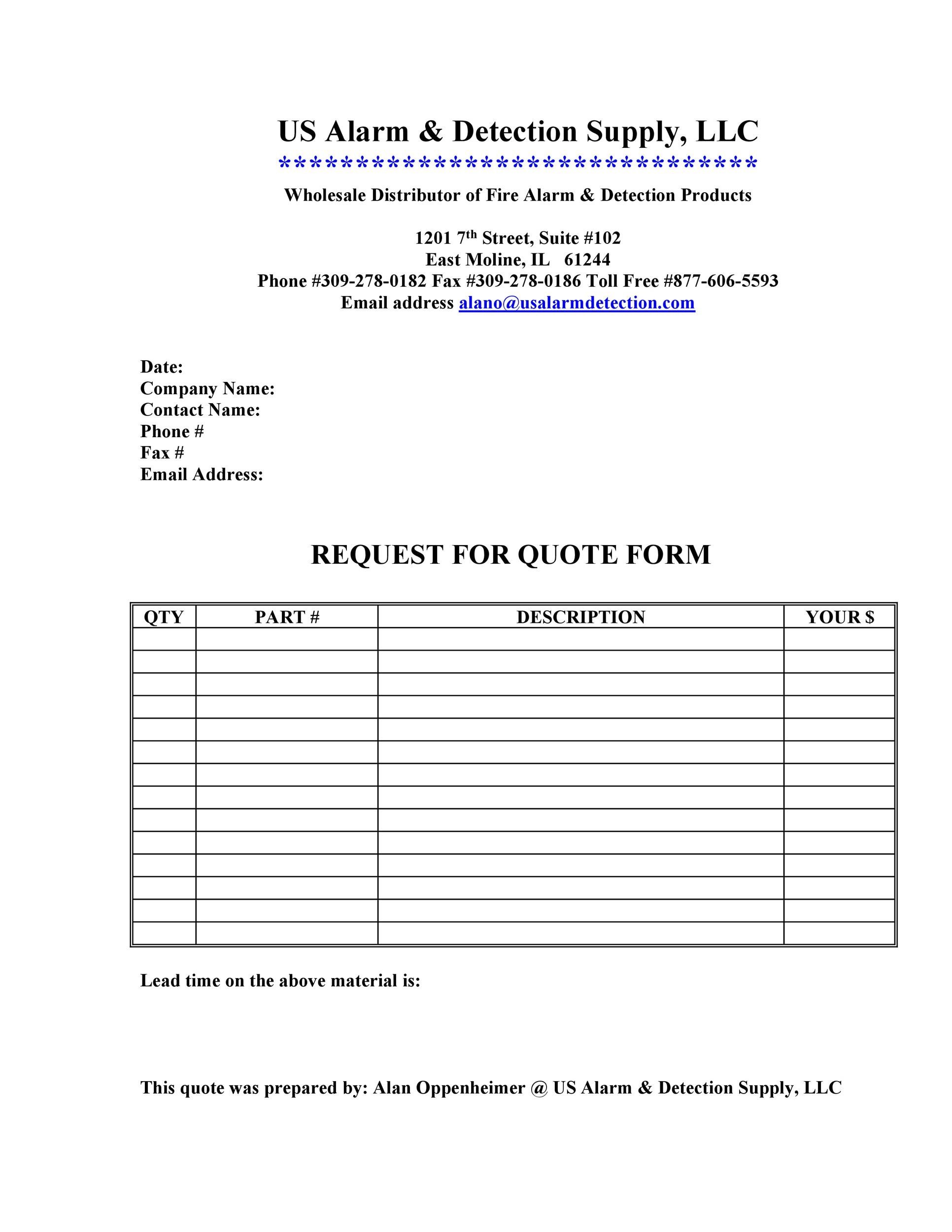
- Product or Service Specifications: Clearly outline the requirements, specifications, and quantities of the products or services you are seeking.
- Delivery Requirements: Specify the delivery timeline, shipping terms, and any special instructions for delivery.
- Pricing Information: Request detailed pricing proposals, including unit prices, discounts, and any additional costs.
- Terms and Conditions: Define the terms of the RFQ, including payment terms, warranties, and any other contractual obligations.
By including these essential components in your RFQ, you can effectively communicate your requirements to potential suppliers and ensure that you receive accurate and competitive quotes.
Examples

How to Create an Effective Request for Quote
Creating a well-crafted RFQ is essential for attracting quality bids and selecting the right suppliers. Here are some steps to help you create an effective RFQ:
1. Define Your Requirements Clearly
Clearly outline your requirements, specifications, and expectations for the products or services you are seeking. Provide as much detail as possible to ensure that suppliers understand your needs.
2. Research Potential Suppliers
Research and identify potential suppliers who can meet your requirements and deliver quality products or services. Consider factors such as experience, reputation, and pricing when selecting suppliers to invite to bid.
3. Set Realistic Deadlines
Set realistic deadlines for suppliers to submit their quotes. Allow sufficient time for suppliers to prepare their proposals while ensuring that the process remains efficient and timely.
4. Review and Evaluate Bids Carefully
Review and evaluate the bids submitted by suppliers based on predefined criteria such as price, quality, and delivery terms. Compare the proposals to make an informed decision and select the best supplier for your needs.
5. Communicate Clearly with Suppliers
Communicate openly and transparently with suppliers throughout the RFQ process. Provide feedback, clarify any questions, and ensure that all parties understand the requirements and expectations.
Tips for Successful RFQ Submissions
To increase the success of your RFQ submissions and secure the best deals from suppliers, consider the following tips:
- Be Specific: Provide detailed specifications and requirements to help suppliers prepare accurate quotes.
- Request Samples or Demonstrations: Ask suppliers to provide samples or demonstrations to evaluate the quality of their products or services.
- Compare Multiple Bids: Review and compare quotes from multiple suppliers to ensure you are getting the best value for your money.
- Negotiate Terms: Don’t be afraid to negotiate pricing, terms, or conditions with suppliers to secure a favorable deal.
- Build Relationships: Cultivate positive relationships with suppliers to establish long-term partnerships and drive mutual success.
By following these guidelines and best practices, you can optimize your RFQ process, attract quality bids, and make informed purchasing decisions that benefit your business in the long run.
Request for Quote Template – Download

- Free Printable Bill Receipt Template - October 27, 2026
- Free Printable Bill Organizer Template - October 27, 2026
- Bill of Materials Template - October 27, 2026
