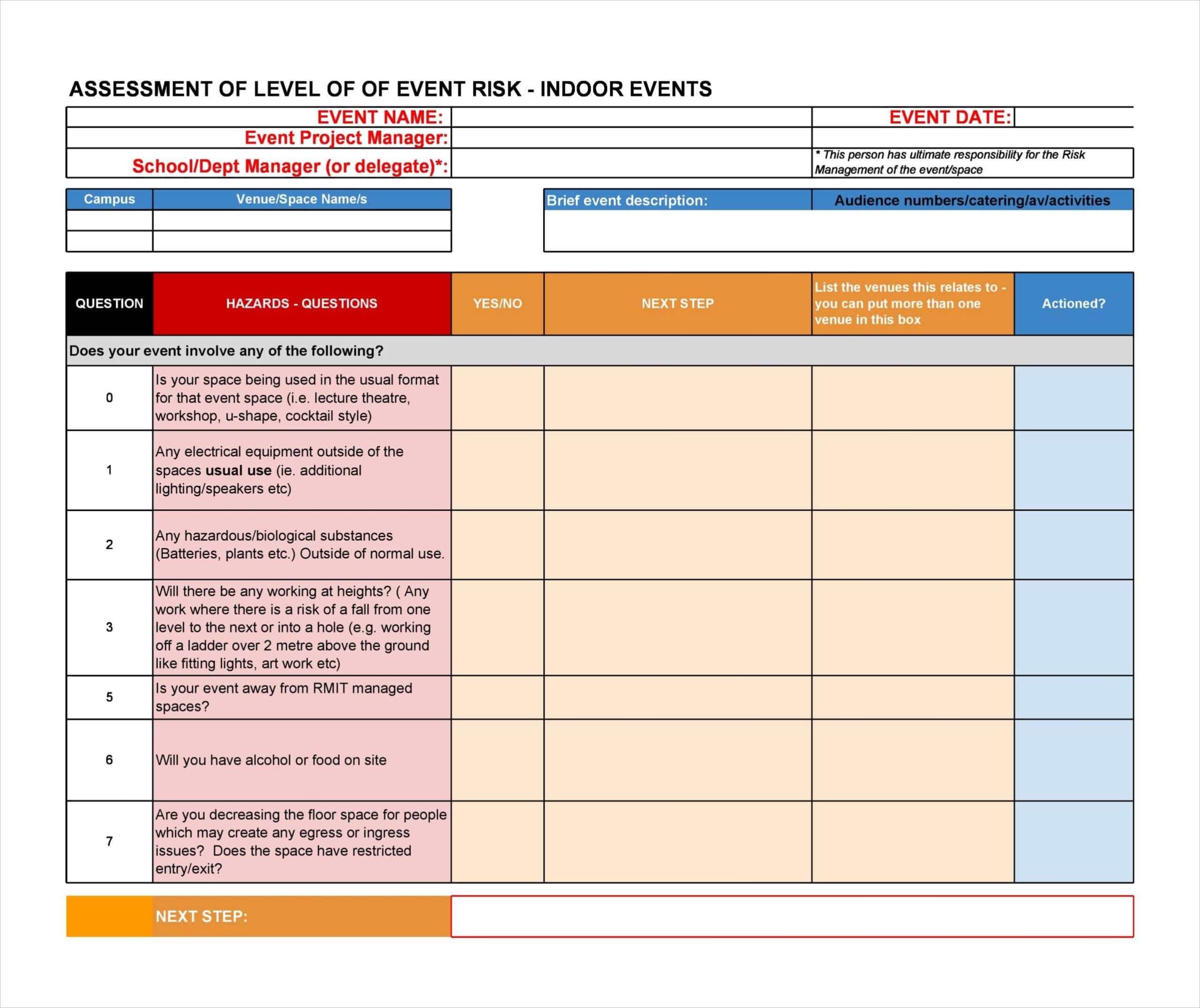
Risk assessment is a crucial process that involves identifying potential risks, evaluating their likelihood and impact, and implementing measures to mitigate or manage these risks. It is a systematic approach that helps individuals and organizations make informed decisions to protect themselves and others from harm. From personal safety to business operations, risk assessment plays a vital role in ensuring that potential hazards are identified and addressed before they can cause serious consequences.
What is Risk Assessment?
Risk assessment is the process of identifying, analyzing, and evaluating potential risks that may impact an individual, organization, or project. It involves assessing the likelihood of a risk occurring and the potential consequences if it does. By conducting a risk assessment, individuals and organizations can prioritize risks based on their severity and take appropriate actions to reduce or eliminate them.
Why is Risk Assessment Important?
Risk assessment is important for several reasons. First and foremost, it helps individuals and organizations identify potential hazards before they can cause harm. By identifying risks early on, preventative measures can be put in place to reduce the likelihood of accidents or incidents occurring. Additionally, risk assessment allows for better decision-making by providing a clear understanding of the risks involved in a particular situation.
Furthermore, risk assessment is essential for compliance with legal and regulatory requirements. Many industries are required to conduct risk assessments to ensure the safety of employees, customers, and the general public. By conducting regular risk assessments, organizations can demonstrate their commitment to safety and compliance with relevant laws and regulations.
What to Include in a Risk Assessment?
When conducting a risk assessment, several key components should be included:
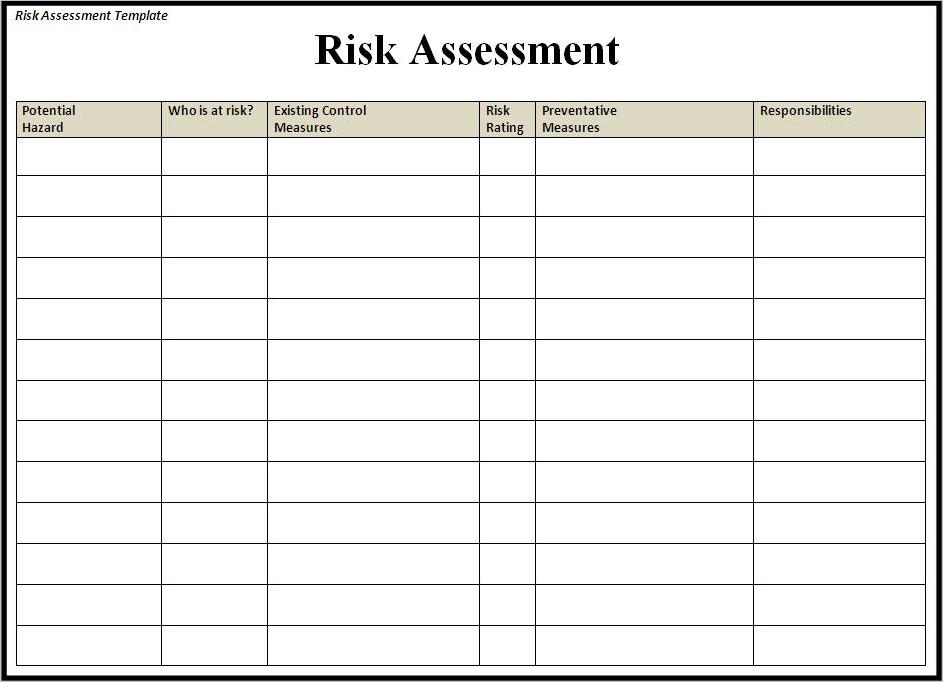
- Identify hazards: Begin by identifying potential hazards that could cause harm or damage.
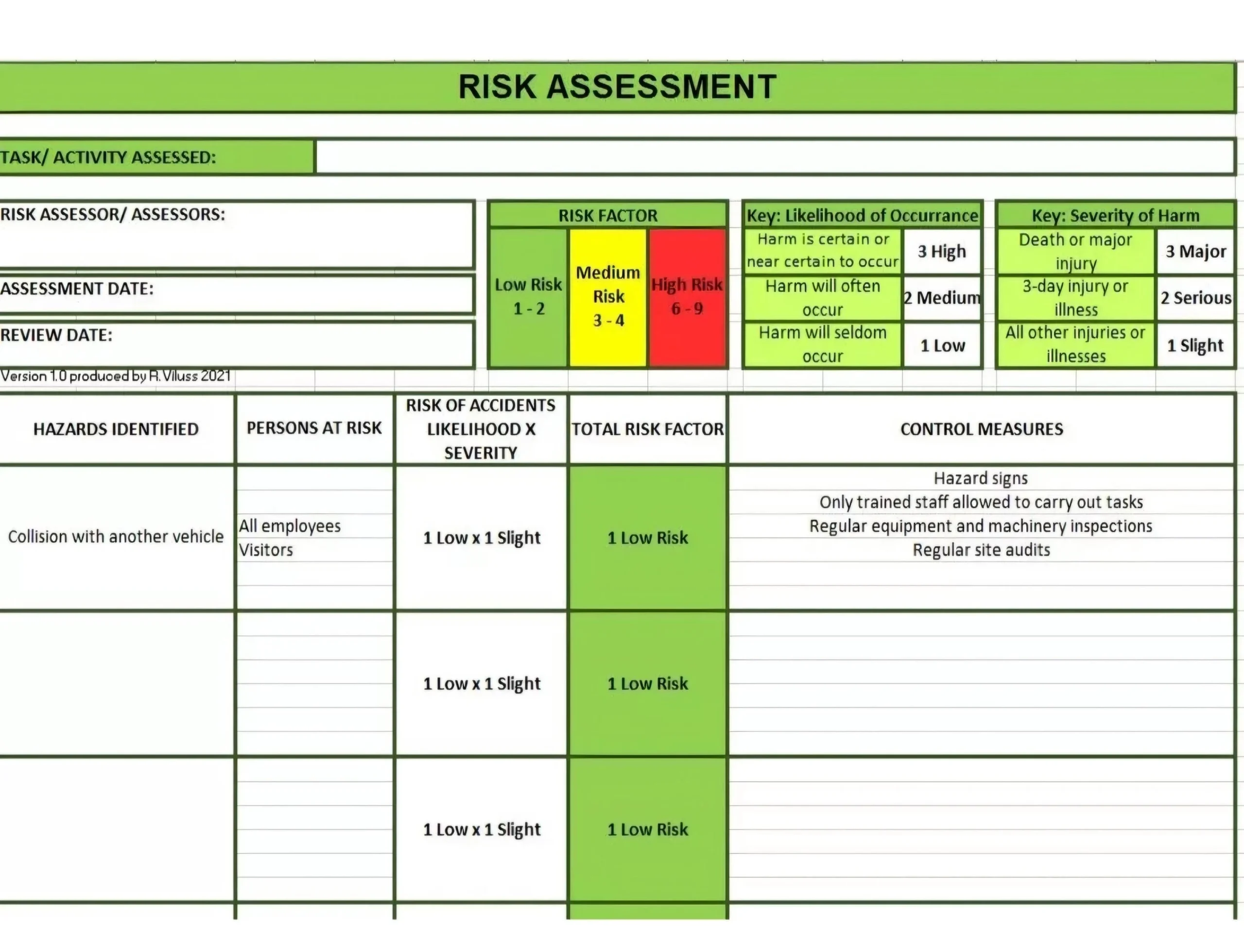
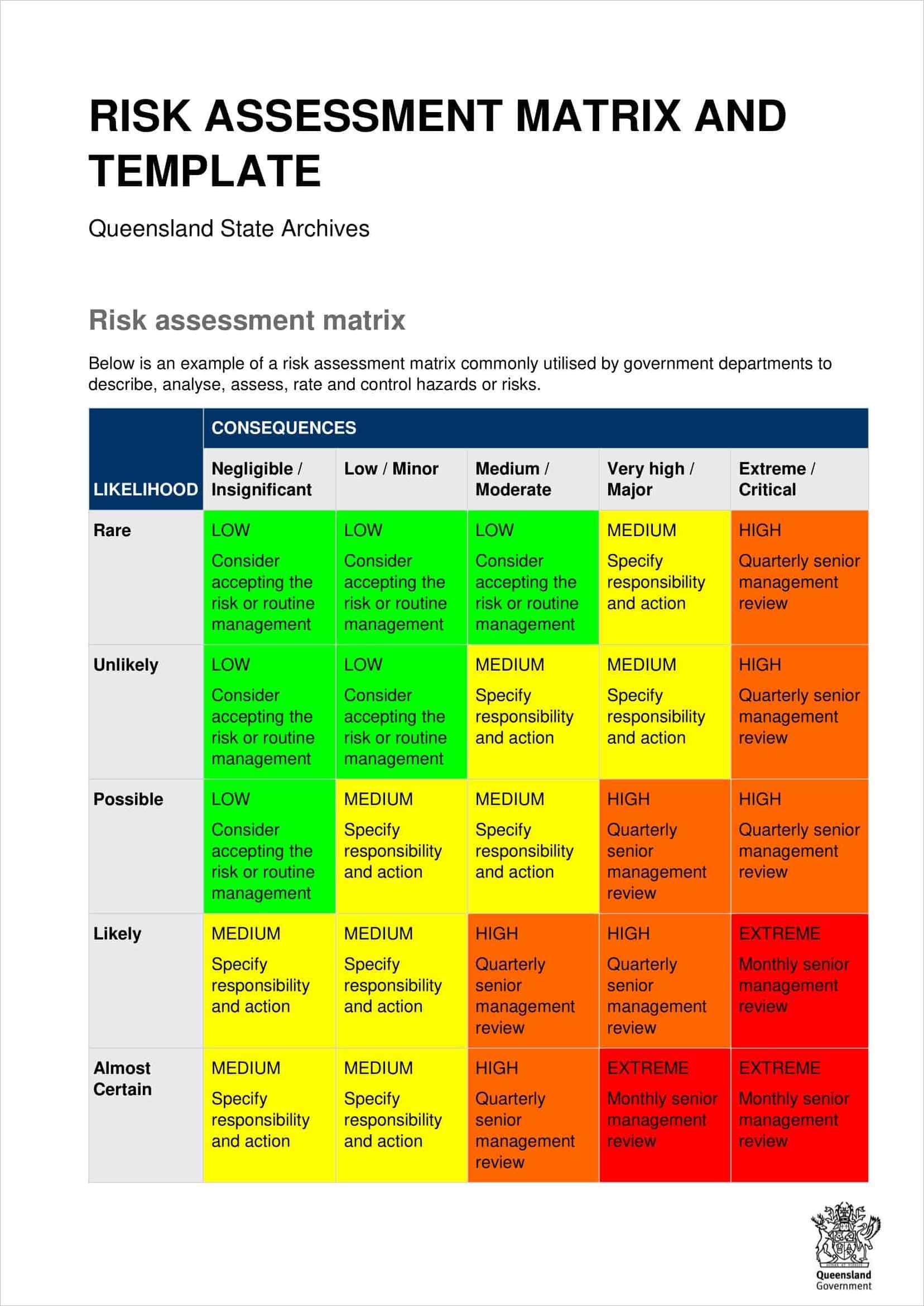
- Assess risks: Evaluate the likelihood and impact of each identified risk.
- Control measures: Develop and implement control measures to mitigate or manage the identified risks.
- Monitor and review: Regularly monitor and review the effectiveness of the control measures in place.
By including these components in a risk assessment, individuals and organizations can effectively identify, evaluate, and manage potential risks.
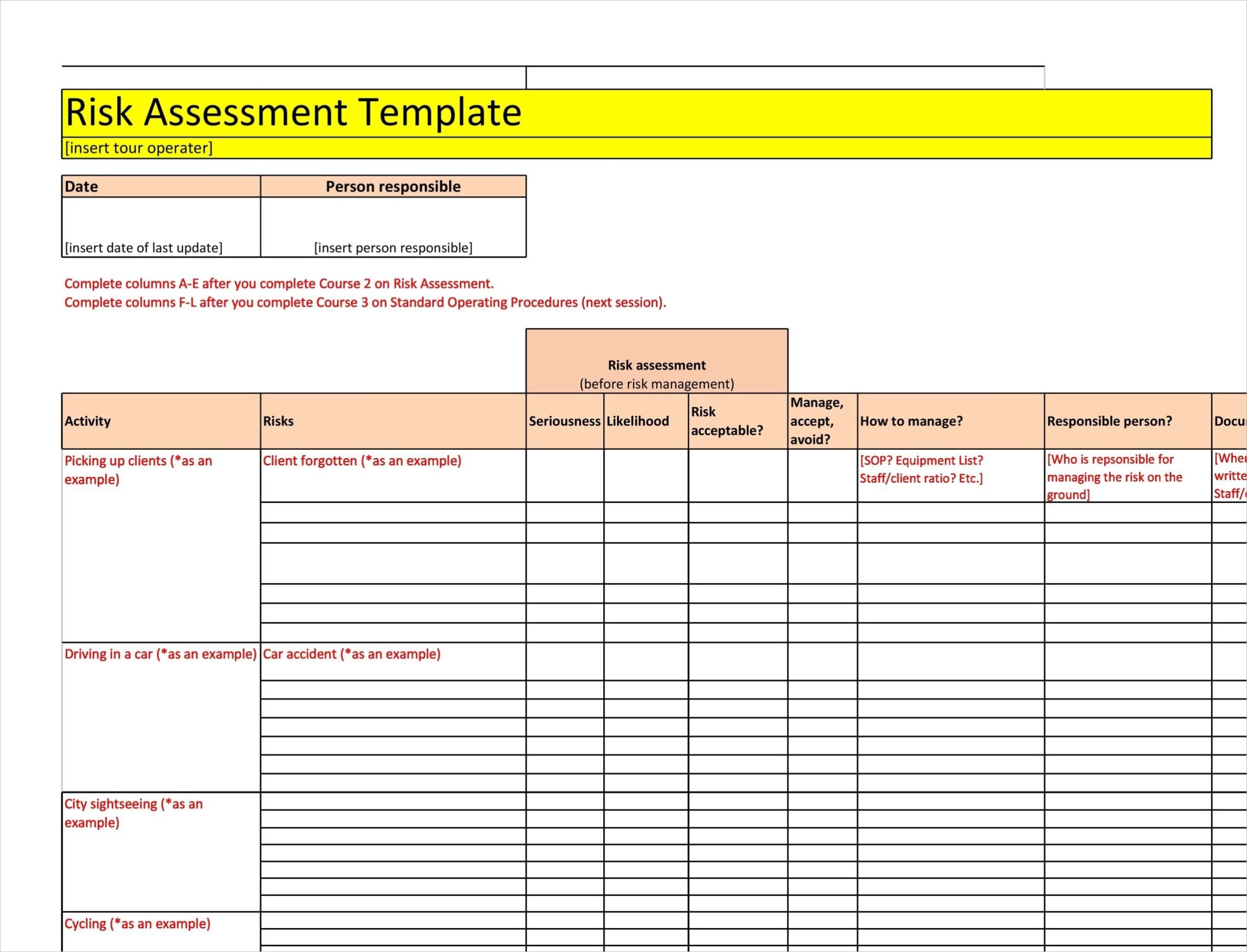
How to Conduct a Risk Assessment?
Conducting a risk assessment involves several steps:
1. Identify Hazards
Start by identifying potential hazards that could pose a risk to individuals or the organization. This could include physical hazards, such as trip hazards or hazardous substances, as well as non-physical hazards, such as financial risks or reputational risks.
2. Assess Risks
Once hazards have been identified, assess the risks associated with each hazard. Consider the likelihood of the risk occurring and the potential consequences if it does. This will help prioritize risks and determine the most effective control measures.
3. Implement Control Measures
Develop and implement control measures to mitigate or manage the identified risks. This could include implementing safety procedures, providing training to employees, or installing safety equipment. Ensure that control measures are practical and effective in reducing the likelihood of risks occurring.
4. Monitor and Review
Regularly monitor and review the effectiveness of the control measures in place. This will help identify any new risks that may have emerged and ensure that existing control measures are still relevant and effective. Make adjustments to control measures as needed to maintain a safe and secure environment.
5. Record and Communicate
Record the findings of the risk assessment and communicate them to relevant stakeholders. Ensure that all employees are aware of the potential risks and the control measures in place to manage them. Regularly review and update the risk assessment to reflect changes in the environment or operations.
Tips for Successful Risk Assessment
Here are some tips for conducting a successful risk assessment:
- Involve relevant stakeholders: Ensure that all relevant stakeholders are involved in the risk assessment process to gather diverse perspectives and expertise.
- Use a systematic approach: Follow a systematic approach to ensure that all potential risks are identified and evaluated thoroughly.
- Regularly review and update: Risk assessments should be reviewed and updated regularly to reflect changes in the environment or operations.
- Provide adequate training: Ensure that employees are adequately trained in risk assessment procedures and understand their role in managing risks.
- Seek professional advice: If needed, seek professional advice or assistance to conduct a comprehensive risk assessment.
By following these tips and best practices, individuals and organizations can conduct effective risk assessments that help ensure the safety and well-being of all stakeholders.

- Ship Chart Template - October 5, 2026
- Free Printable Table Tent Template - October 5, 2026
- Free Printable Supply List Template - October 5, 2026
