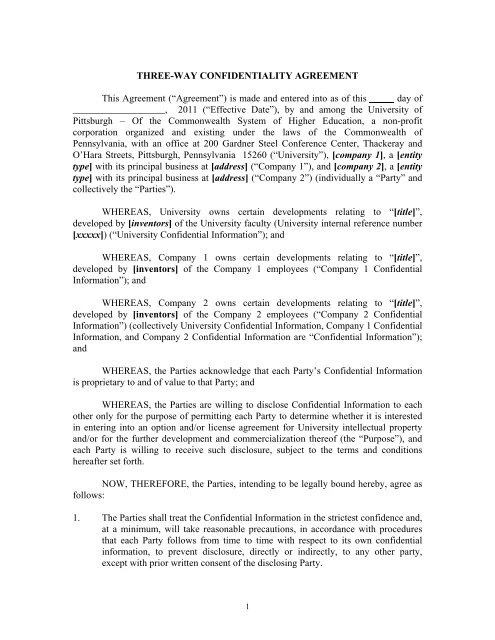
When it comes to protecting sensitive information and maintaining trust in business relationships, mutual confidentiality agreements play a crucial role. These agreements, also known as non-disclosure agreements (NDAs), are legal contracts that outline the terms and conditions under which parties agree to share confidential information while preventing its unauthorized disclosure.
In this comprehensive guide, we will delve into the what, why, what to include, how to, and tips for creating effective mutual confidentiality agreements.
What is a Mutual Confidentiality Agreement?
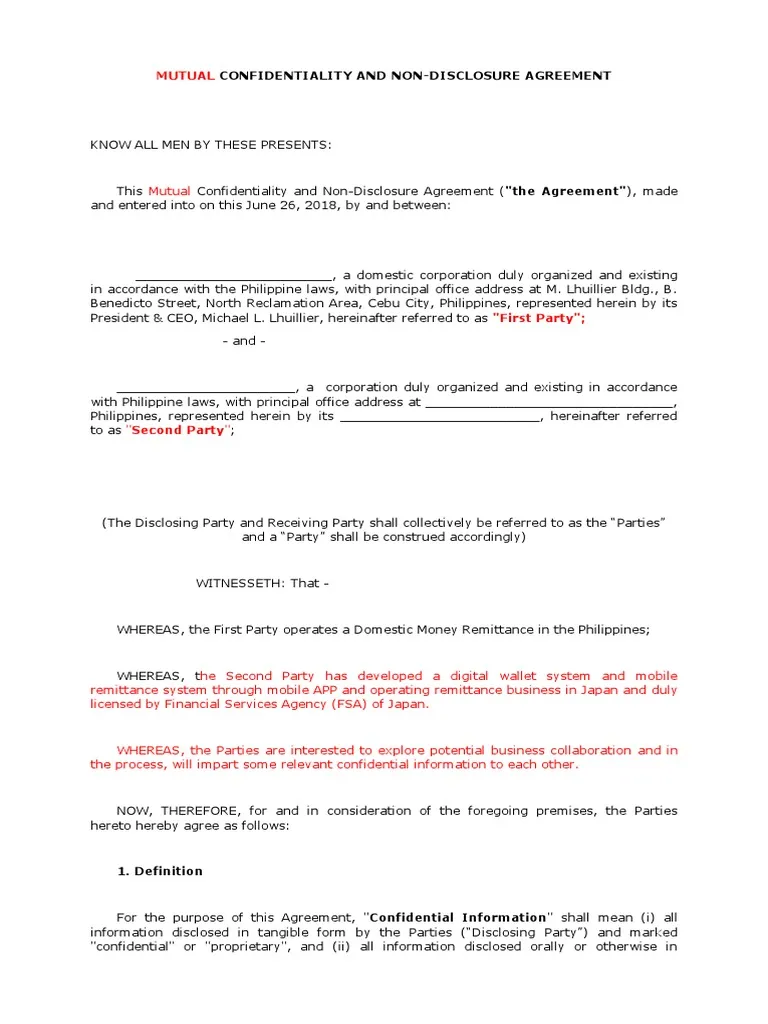
A mutual confidentiality agreement is a legally binding contract between two or more parties that governs the sharing of confidential information. This agreement establishes the terms and conditions under which the parties can exchange sensitive data while ensuring that the information remains confidential and is not disclosed to third parties without authorization.
Mutual confidentiality agreements are commonly used in business transactions, partnerships, collaborations, and other scenarios where proprietary information needs to be shared.
Why are Mutual Confidentiality Agreements Important?
Mutual confidentiality agreements are essential for protecting the intellectual property, trade secrets, and other confidential information of businesses and individuals. By entering into a mutual confidentiality agreement, parties can have peace of mind knowing that their sensitive data is safeguarded from unauthorized disclosure or misuse.
These agreements help establish a framework for trust and cooperation between parties while providing legal recourse in case of breaches of confidentiality.
What to Include in a Mutual Confidentiality Agreement
When drafting a mutual confidentiality agreement, it is important to include the following key elements:
- Definition of Confidential Information: Clearly define what constitutes confidential information that is protected under the agreement.
- Obligations of the Parties: Outline the responsibilities and obligations of each party regarding the handling and protection of confidential information.
- Duration of Confidentiality: Specify the duration for which the confidentiality obligations will remain in effect.
- Exceptions to Confidentiality: Identify any exceptions where confidential information may be disclosed, such as with prior written consent or legal requirements.
- Remedies for Breach: Describe the remedies available in case of a breach of the agreement, including damages, injunctions, or other legal actions.
- Governing Law: Specify the jurisdiction and laws that will govern the interpretation and enforcement of the agreement.
How to Draft a Mutual Confidentiality Agreement
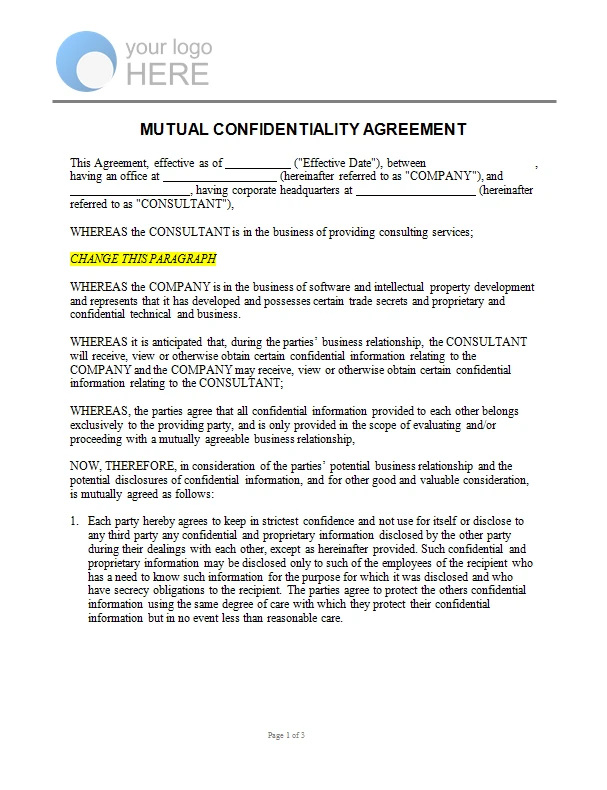
When creating a mutual confidentiality agreement, it is recommended to follow these steps:
- Identify the Parties: Clearly identify the parties agreeing.
- Define Confidential Information: Clearly define what information will be considered confidential.
- Specify Obligations: Clearly outline the obligations and responsibilities of each party regarding the handling of confidential information.
- Include Necessary Provisions: Ensure that the agreement includes all necessary provisions to protect confidential information and address potential breaches.
- Consult Legal Counsel: It is advisable to seek legal advice when drafting or reviewing mutual confidentiality agreements to ensure they are legally enforceable.
Tips for Creating Effective Mutual Confidentiality Agreements
Here are some tips to consider when creating mutual confidentiality agreements:
- Be Specific: Clearly define what information is considered confidential and what obligations each party has.
- Use Clear Language: Avoid using overly technical or complex language to ensure the agreement is easily understood by all parties.
- Include Reciprocal Obligations: Ensure that both parties have obligations to maintain confidentiality to create a balanced agreement.
- Update Regularly: Review and update mutual confidentiality agreements periodically to ensure they reflect any changes in the business relationship or information being shared.
- Keep Copies: Maintain signed copies of the agreement for all parties involved and store them in a secure location for easy reference.
Conclusion
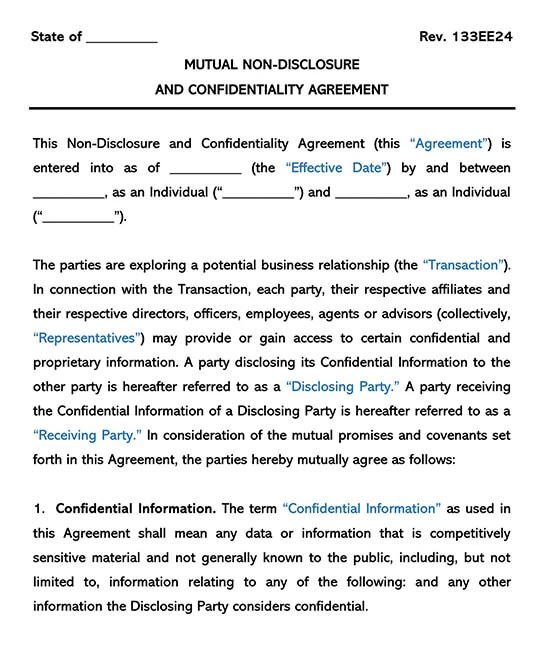
In conclusion, mutual confidentiality agreements are vital tools for protecting sensitive information and fostering trust between parties in business relationships. By understanding what, why, what to include, how to, and tips for creating effective mutual confidentiality agreements, you can ensure that your confidential information is safeguarded and that your business interests are protected. Remember to consult with legal counsel when drafting mutual confidentiality agreements to ensure they are legally sound and enforceable.
Mutual Confidentiality Agreement Template – Word

- Attendance Tracker Template - October 15, 2026
- Free Printable Attendance Sheet Template - October 15, 2026
- Asset Purchase Agreement Template - October 15, 2026
