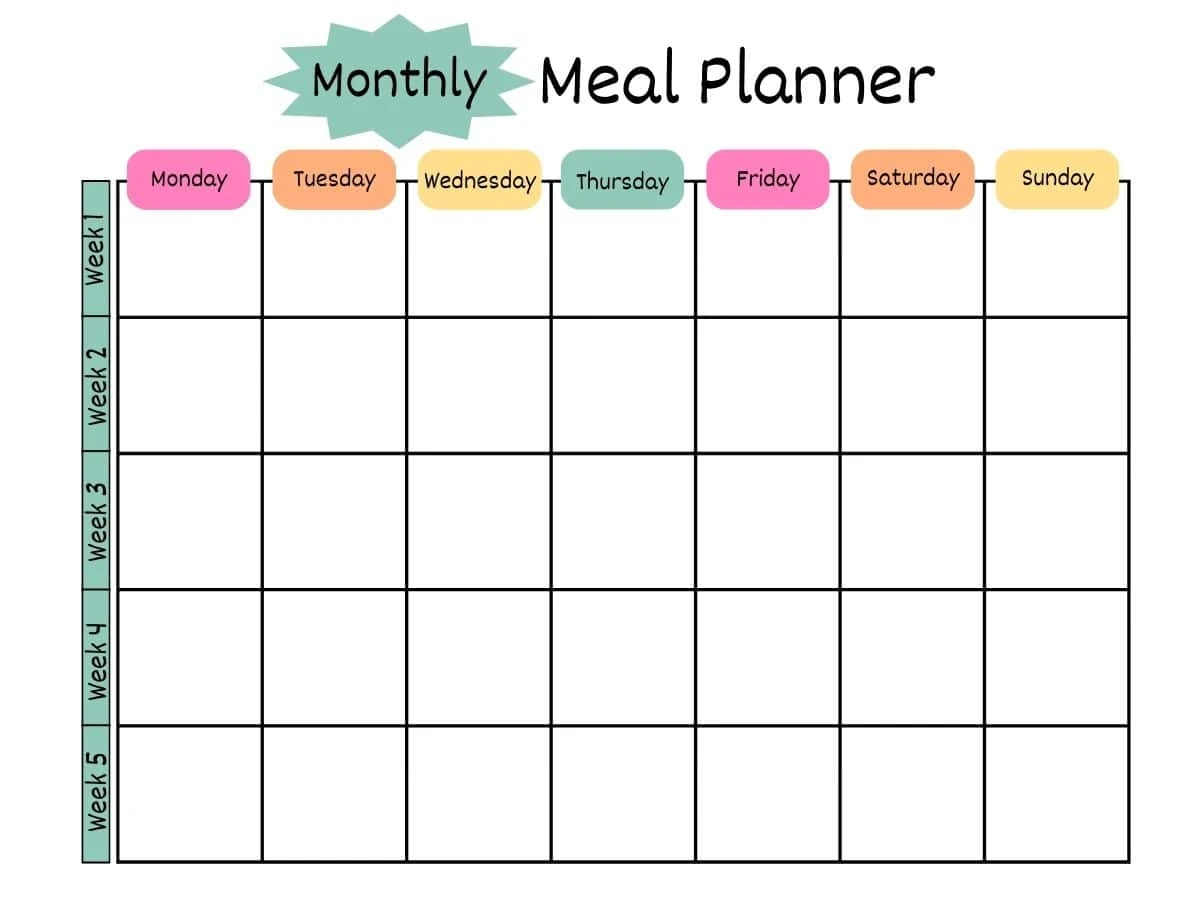
Are you tired of constantly wondering what to make for dinner every night? Do you find yourself scrambling to throw together a meal at the last minute, only to end up ordering takeout again? If this sounds like you, then it may be time to consider implementing a monthly meal planner into your routine. Meal planning can save you time, money, and stress by helping you stay organized with your meals for the entire month.
In this comprehensive guide, we will explore the ins and outs of monthly meal planning, including what it is, why it’s beneficial, what to include in your planner, how to get started, and tips for success.
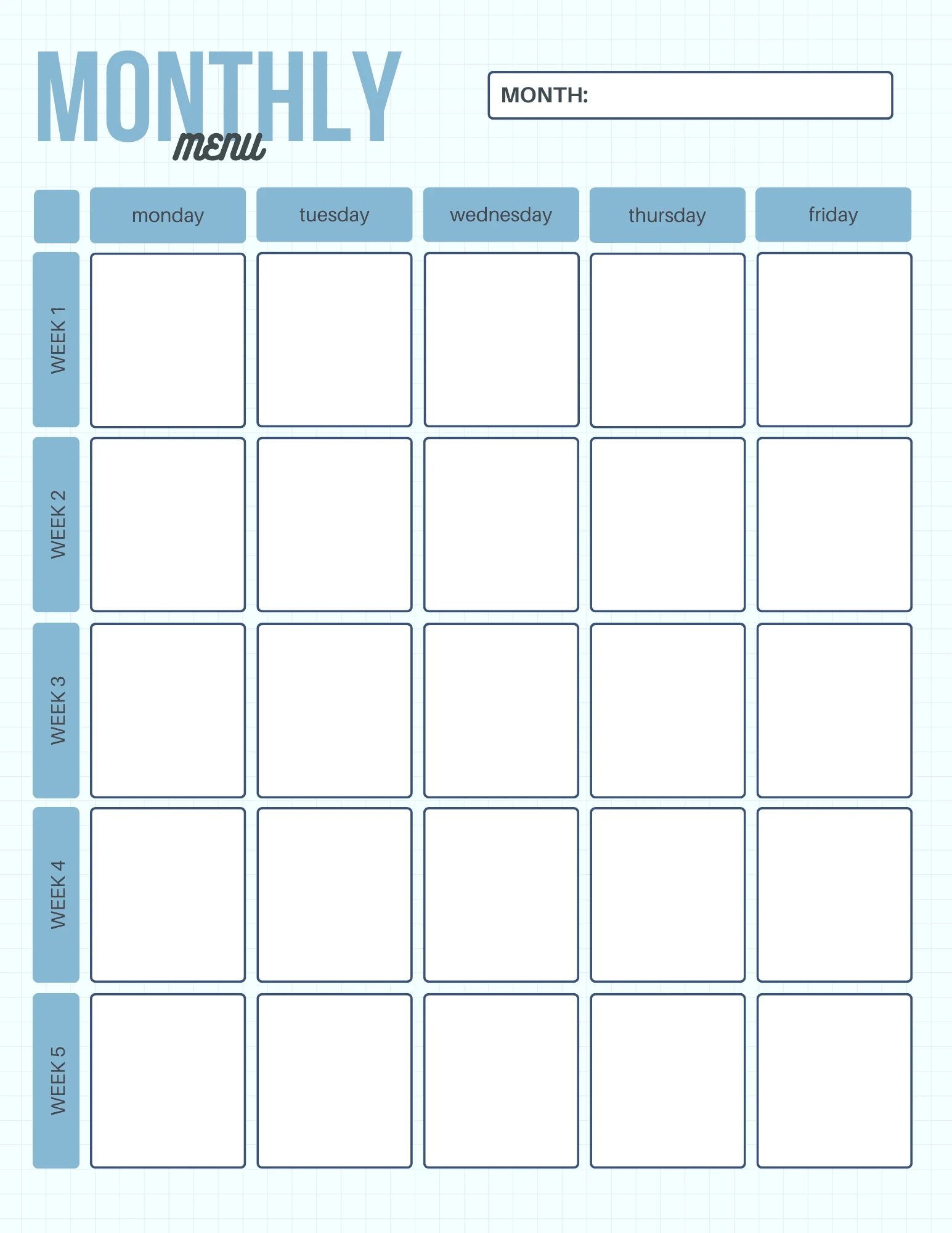
What is Monthly Meal Planning?
Monthly meal planning is the process of creating a detailed plan for all of your meals for an entire month. This includes breakfast, lunch, dinner, and snacks. The goal of meal planning is to save time and money by eliminating the need to decide what to make for each meal every day. By planning ahead, you can also ensure that you are eating a balanced and nutritious diet, as well as reduce food waste.
Monthly meal planning can be as simple or as complex as you’d like, depending on your preferences and dietary needs.
Why Meal Planning is Beneficial
There are numerous benefits to incorporating monthly meal planning into your routine. Some of the key advantages include:
- Save Time: By planning your meals in advance, you can save time during the week by having a clear idea of what to cook each day.
- Save Money: Meal planning helps you avoid last-minute trips to the grocery store or ordering takeout, which can add up over time.
- Eat Healthier: Planning your meals allows you to make healthier choices and ensure you are getting a balanced diet.
- Reduce Stress: Knowing what you’re going to eat ahead of time can help reduce mealtime stress and decision-making fatigue.
- Less Food Waste: By planning your meals, you can buy only what you need and use up ingredients before they go bad, reducing food waste.
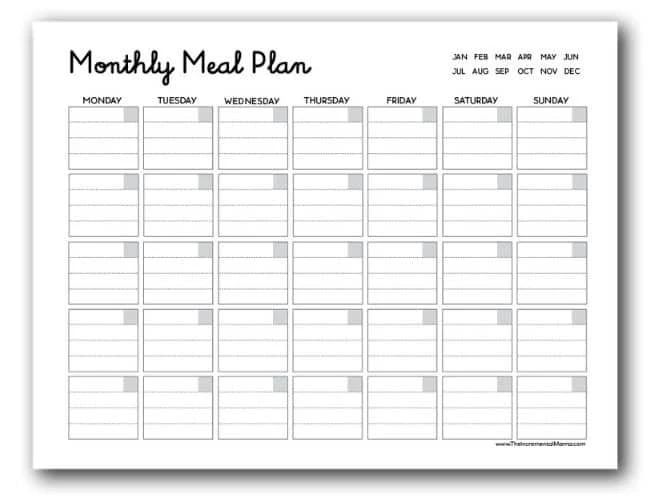
What to Include in Your Meal Planner
When creating your monthly meal planner, there are several key components to consider:
- Calendar: Use a calendar format to plan out your meals for each day of the month.
- Recipes: Include the recipes or meal ideas for each meal so you know what to prepare.
- Grocery List: Create a shopping list based on the ingredients you will need for the month.
- Dietary Restrictions: Take into account any dietary restrictions or preferences when planning your meals.
- Cooking Schedule: Plan out when you will prepare each meal to ensure you have enough time.
How to Get Started with Monthly Meal Planning
Getting started with monthly meal planning may seem daunting at first, but with a few simple steps, you can streamline the process:
1. Set Aside Time
Choose a specific day each month to sit down and plan out your meals for the entire month. This could be a weekend day or a weekday evening when you have some free time.
2. Gather Recipes
Collect recipes or meal ideas that you and your family enjoy. Consider including a variety of cuisines and flavors to keep things interesting.
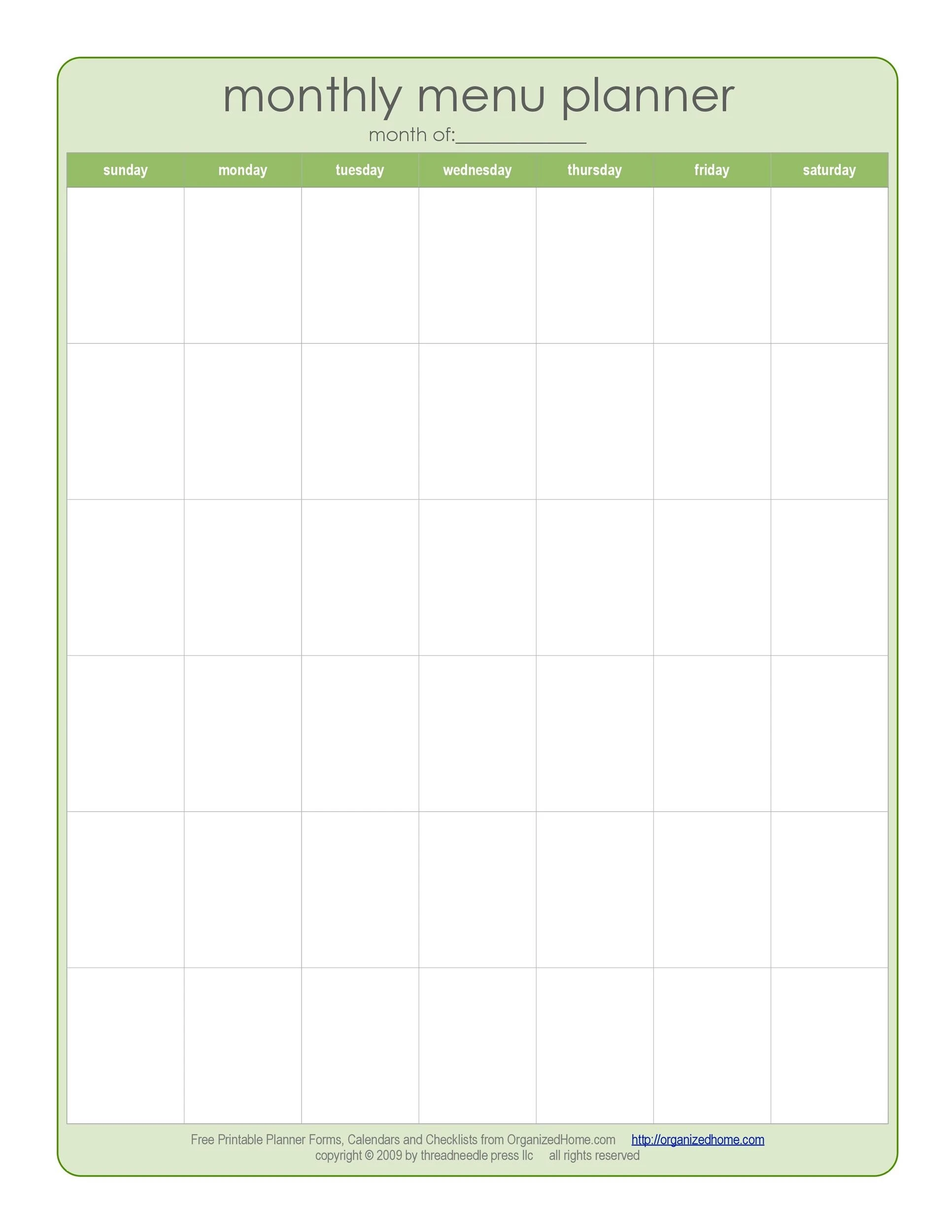
3. Create Your Calendar
Use a calendar template or meal planning app to map out your meals for each day of the month. Be sure to include breakfast, lunch, dinner, and snacks.
4. Make a Grocery List
Based on the recipes you’ve chosen, create a shopping list of all the ingredients you will need for the month. Check your pantry and fridge to see what you already have on hand.
5. Prep in Advance
Consider prepping some ingredients or full meals in advance to save time during the week. This could include chopping vegetables, marinating meat, or cooking grains.
6. Stick to Your Plan
Try to stick to your meal plan as much as possible, but don’t be too hard on yourself if you need to make changes. Flexibility is key to successful meal planning.
7. Review and Adjust
At the end of the month, review your meal plan to see what worked well and what didn’t. Make adjustments as needed for the following month.
8. Get Creative
Don’t be afraid to get creative with your meals and try new recipes. Meal planning is a great opportunity to experiment with different flavors and cuisines.
9. Involve Your Family
Get input from your family members on meal ideas and involve them in the meal planning process. This can help ensure that everyone’s preferences are taken into account.
10. Stay Organized
Keep your meal planner, recipes, and grocery lists organized in a central location to make meal planning easier and more efficient.
Tips for Successful Monthly Meal Planning
Here are some additional tips to help you succeed with your monthly meal planning:
- Batch Cook: Consider batch cooking meals in advance and freezing them for later use.
- Use Leftovers: Plan to repurpose leftovers into new meals to minimize food waste.
- Be Flexible: Don’t be afraid to switch up your meal plan if something comes up or you’re not in the mood for a certain dish.
- Try Theme Nights: Assign a theme to each night of the week, such as Meatless Monday or Taco Tuesday, to make meal planning more fun.
- Get Inspired: Look for inspiration from cookbooks, food blogs, or social media to keep your meals exciting and diverse.
- Plan for Treats: Include a few indulgent treats or special meals in your plan to avoid feeling deprived.
- Stay Consistent: Try to make meal planning a consistent habit by setting aside time each month to plan out your meals.
- Celebrate Success: Celebrate your meal planning victories, whether it’s trying a new recipe or sticking to your plan for the entire month.
With these tips and strategies in mind, you’ll be well on your way to mastering the art of monthly meal planning. By taking the time to plan ahead and stay organized, you can make mealtime stress a thing of the past and enjoy delicious, homemade meals every day of the month.
Monthly Meal Planner Template – Word

- Free Printable Bill Receipt Template - October 27, 2026
- Free Printable Bill Organizer Template - October 27, 2026
- Bill of Materials Template - October 27, 2026
