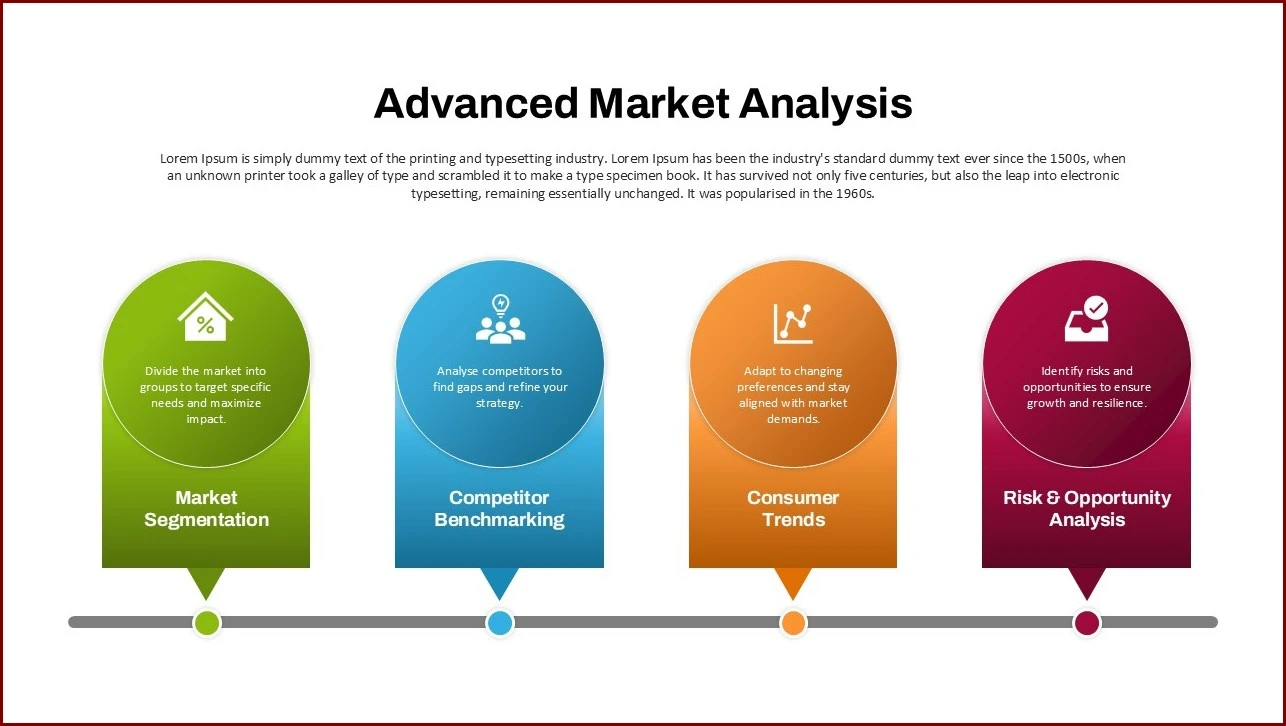
Market analysis is a crucial component of any business strategy, helping companies understand their target audience, competitors, and industry trends. By conducting a thorough market analysis, businesses can make informed decisions that drive growth and success.
In this comprehensive guide, we will explore the what, why, and how of market analysis, as well as provide tips for conducting effective market research.
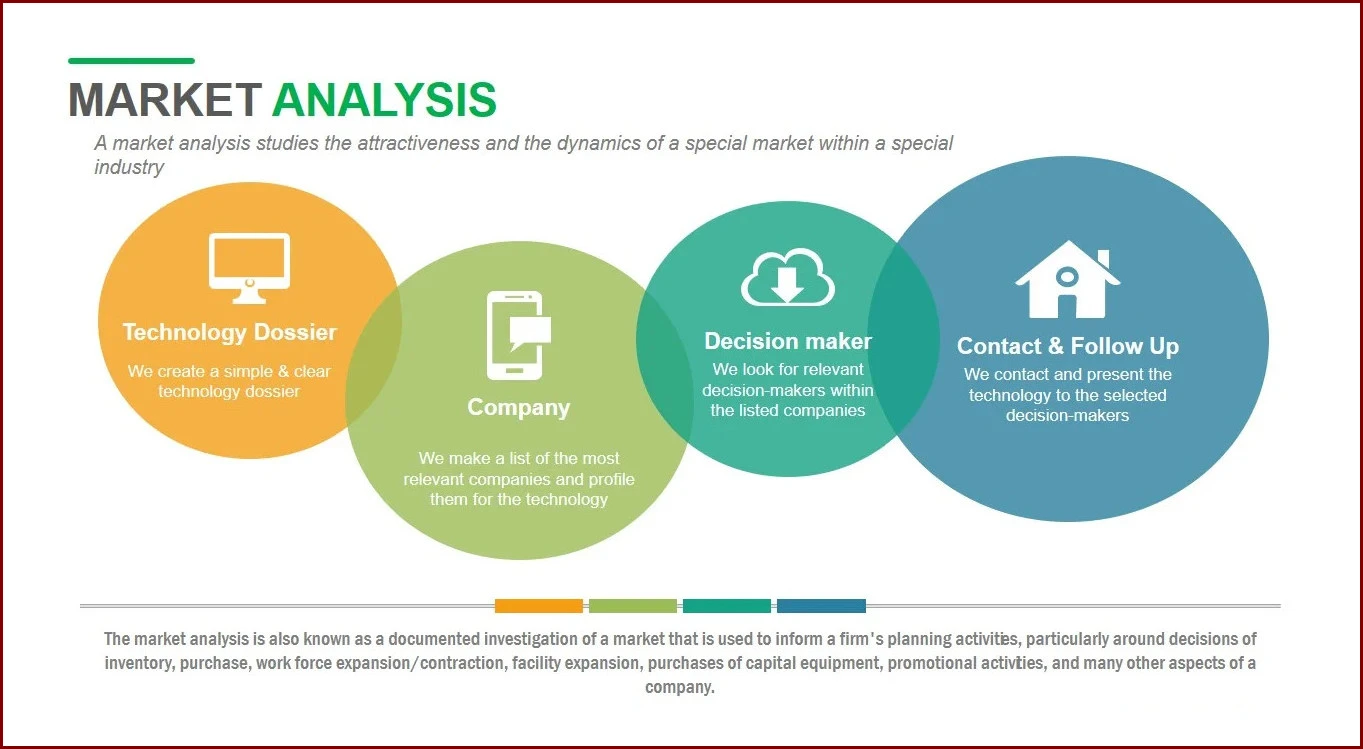
What is Market Analysis?
Market analysis is the process of evaluating the attractiveness and dynamics of a market within a specific industry. This involves assessing factors such as market size, growth potential, customer behavior, and competitive landscape. By conducting market analysis, businesses can identify opportunities and threats in the market, allowing them to develop strategies that maximize their chances of success.
Market analysis can be conducted on a macro level, looking at the overall industry, or on a micro level, focusing on a specific segment or target market. The goal of market analysis is to gather data and insights that inform business decisions and drive growth.
Market analysis is a multi-faceted process that involves gathering and interpreting data from various sources. This can include primary research, such as surveys and focus groups, as well as secondary research, such as industry reports and competitor analysis.
Why is Market Analysis Important?
Market analysis is essential for businesses of all sizes, as it provides valuable insights that inform strategic decision-making. By conducting market analysis, companies can:
- Identify Opportunities: Market analysis helps businesses identify new market trends, customer needs, and competitive gaps that can be leveraged to drive growth.
- Minimize Risks: By understanding the competitive landscape and market dynamics, businesses can minimize risks and make informed decisions that mitigate potential threats.
- Optimize Marketing Strategies: Market analysis provides insights into customer behavior, preferences, and demographics, allowing businesses to tailor their marketing strategies for maximum effectiveness.
- Support Business Planning: Market analysis informs business planning by providing data-driven insights that guide product development, pricing strategies, and expansion opportunities.
Overall, market analysis is fundamental to a company’s success, helping it stay ahead of the competition and capitalize on emerging trends in the market.
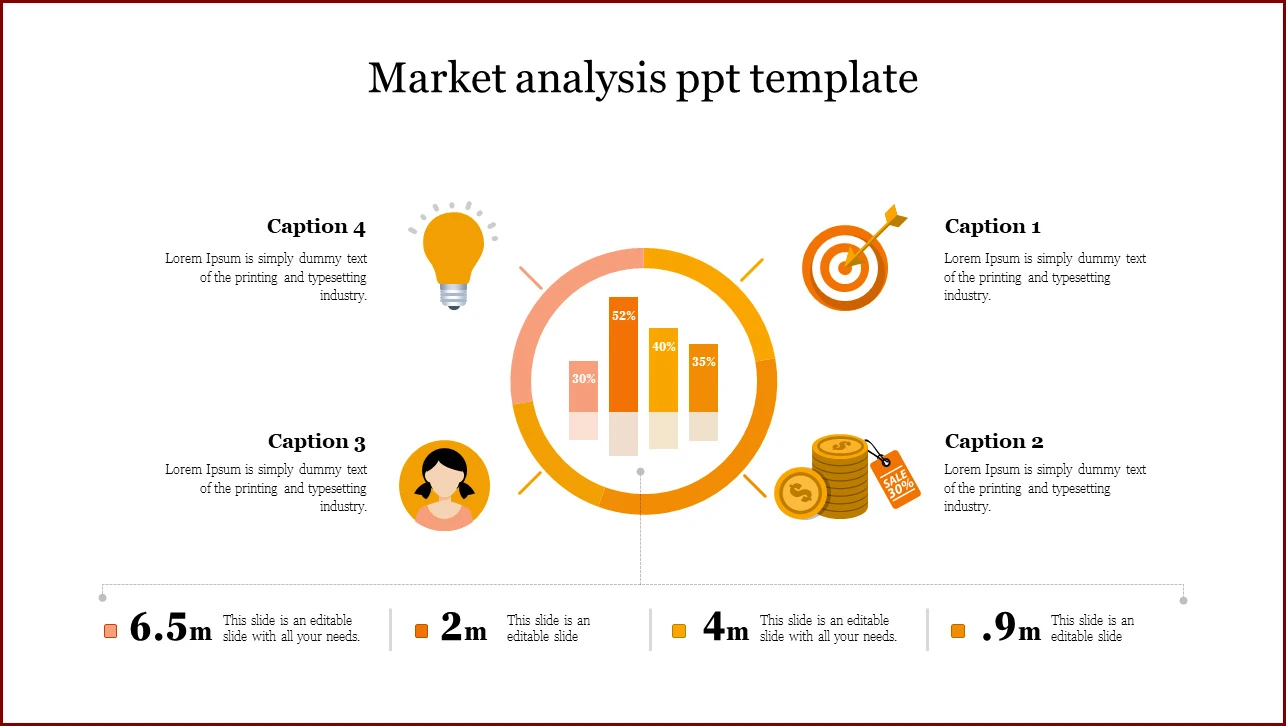
What to Include in Market Analysis?
When conducting a market analysis, there are several key components to consider. These include:
- Market Size and Growth: Determining the current size of the market and its projected growth rate.
- Competitive Landscape: Identifying key competitors, their market share, and strengths and weaknesses.
- Target Market: Defining the characteristics of the ideal customer and understanding their needs and preferences.
- Trends and Opportunities: Analyzing market trends, emerging opportunities, and potential threats.
- Regulatory Environment: Assessing regulatory factors that may impact the market and business operations.
By including these components in your market analysis, you can gain a comprehensive understanding of the market dynamics and make informed decisions that drive business growth.
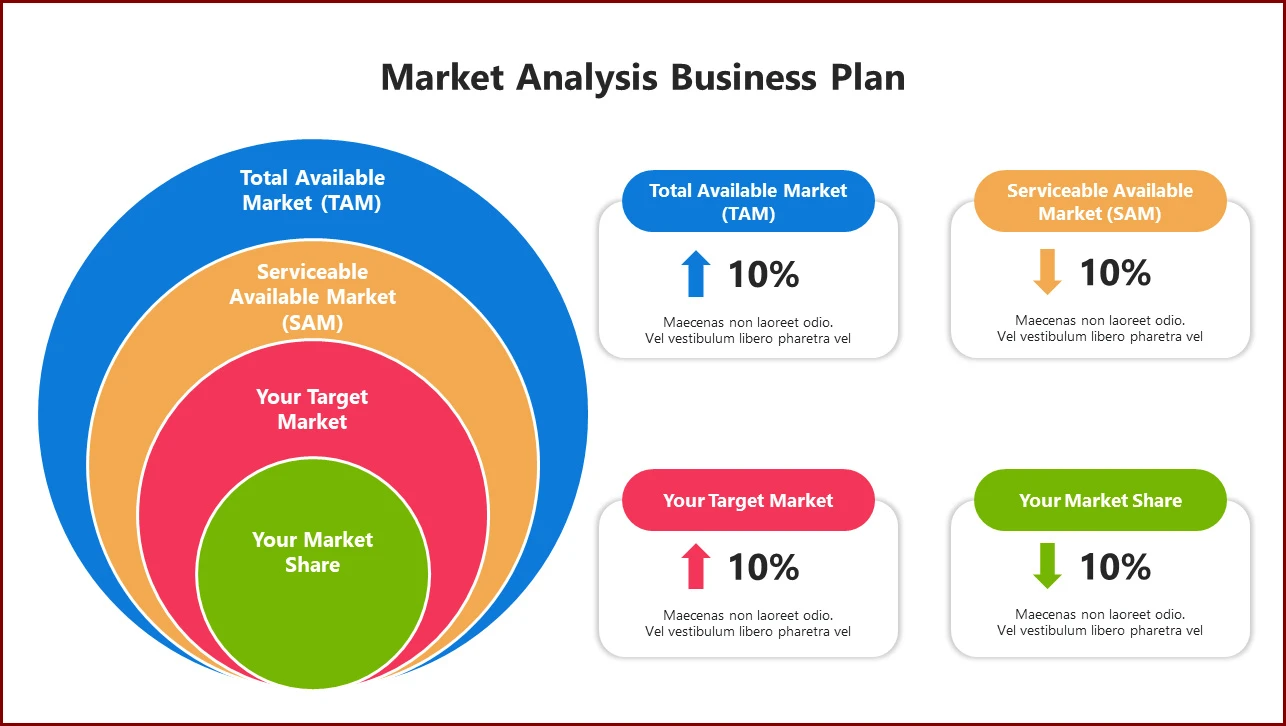
How to Conduct Market Analysis
Conducting market analysis involves a systematic approach that includes the following steps:
1. Define the Objective: Clearly define the purpose and objectives of the market analysis to guide your research efforts.
2. Gather Data: Collect both primary and secondary data from various sources, such as surveys, industry reports, and competitor websites.
3. Analyze the Data: Interpret the data gathered and identify key insights, trends, and opportunities within the market.
4. Draw Conclusions: Draw conclusions based on the data analysis and identify strategic implications for the business.
5. Develop Recommendations: Based on your conclusions, develop actionable recommendations that align with the business objectives.
6. Implement Strategies: Implement the recommended strategies and monitor their effectiveness to ensure they align with the business goals.
7. Review and Adjust: Continuously review and adjust your market analysis as market conditions change to stay ahead of the competition.
By following these steps, businesses can conduct a comprehensive market analysis that informs strategic decision-making and drives business growth.
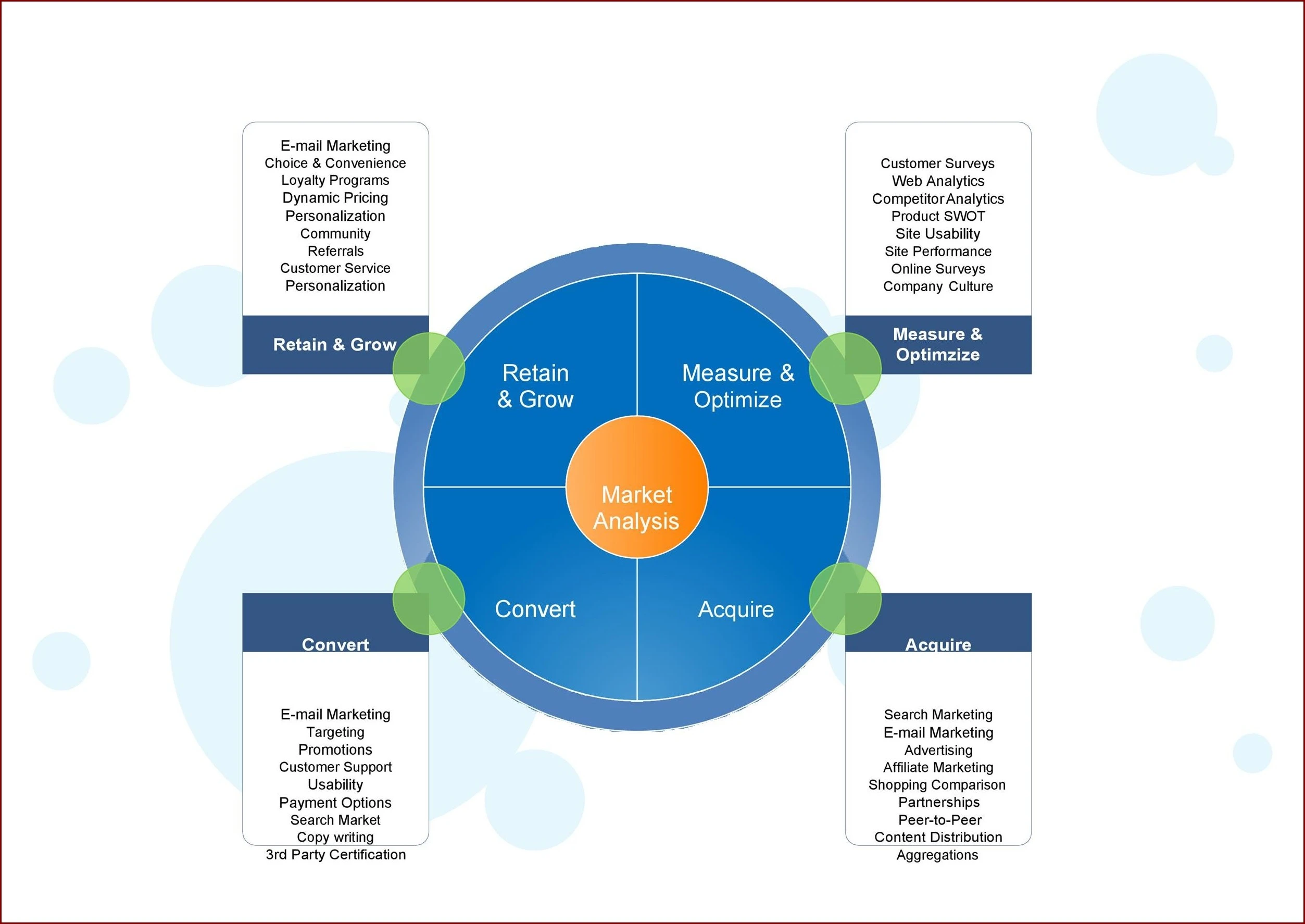
Tips for Effective Market Analysis
To ensure your market analysis is effective and impactful, consider the following tips:
- Stay Updated: Continuously monitor market trends, customer behavior, and competitor strategies to stay ahead of the competition.
- Use Multiple Data Sources: Combine primary and secondary data sources to gather a comprehensive understanding of the market dynamics.
- Focus on Actionable Insights: Identify key insights that have practical implications for the business and drive strategic decision-making.
- Involve Stakeholders: Engage key stakeholders in the market analysis process to ensure alignment with business goals and objectives.
- Iterate and Improve: Continuously iterate on your market analysis process and seek feedback to improve its effectiveness over time.
By following these tips, businesses can conduct effective market analysis that drives growth and success in today’s competitive business landscape.
Market Analysis Template – Free Download

- Free Printable Travel Request Form Template - September 20, 2026
- Free Startup Business Plan Template - September 20, 2026
- Free Printable T-Chart Template - September 20, 2026
