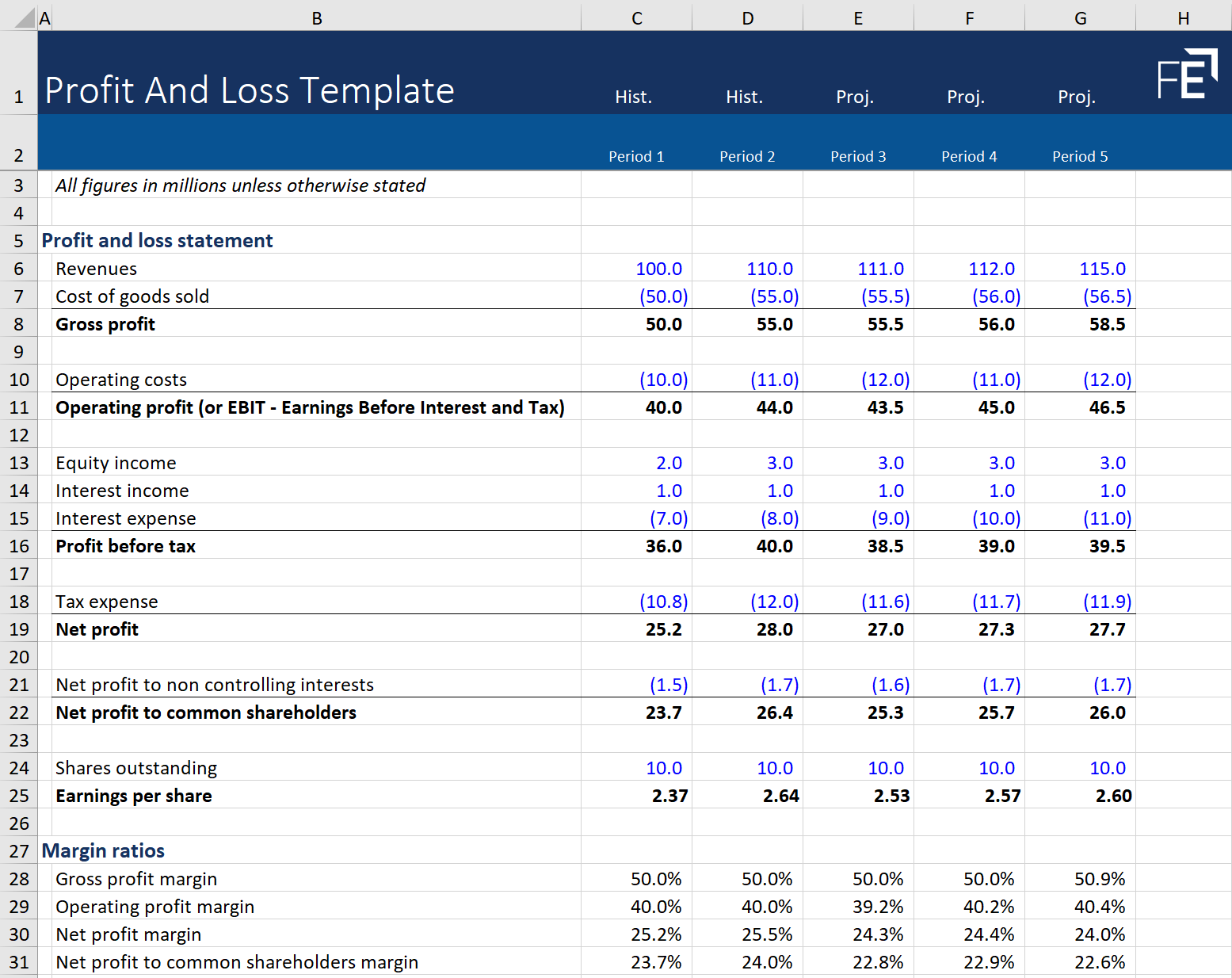
Understanding your business’s financial health is crucial for making informed decisions and securing long-term success. One of the key tools in financial analysis is the profit and loss report, also known as the income statement. This report provides a snapshot of your company’s revenues, expenses, and net income over a specific period. By analyzing this report, you can identify areas of strength and weakness, make adjustments to improve profitability, and forecast future performance.
What is a Profit and Loss Report?
A profit and loss report is a financial statement that summarizes a company’s revenues, expenses, and profits (or losses) over a specific period of time. This report is essential for assessing the financial performance of a business and is often used by investors, creditors, and management to make informed decisions. The main components of a profit and loss report include:
- Revenue: The total amount of money generated from sales or services.
- Expenses: The costs incurred in running the business, such as rent, utilities, salaries, and supplies.
- Net Income: The difference between revenue and expenses, indicating the profitability of the business.
By analyzing these components, you can gain valuable insights into your company’s financial health and performance.
Why is a Profit and Loss Report Important?
A profit and loss report is essential for several reasons:
- Financial Analysis: It provides a clear picture of your company’s financial performance, allowing you to identify trends and make strategic decisions.
- Budgeting and Planning: By analyzing past performance, you can set realistic financial goals for the future and create budgets to achieve them.
- Investor and Creditor Relations: Investors and creditors use profit and loss reports to assess the financial health of a business before making investment or lending decisions.
Overall, a profit and loss report is a valuable tool for monitoring your company’s financial position and making informed decisions to drive growth and profitability.
What to Include in a Profit and Loss Report
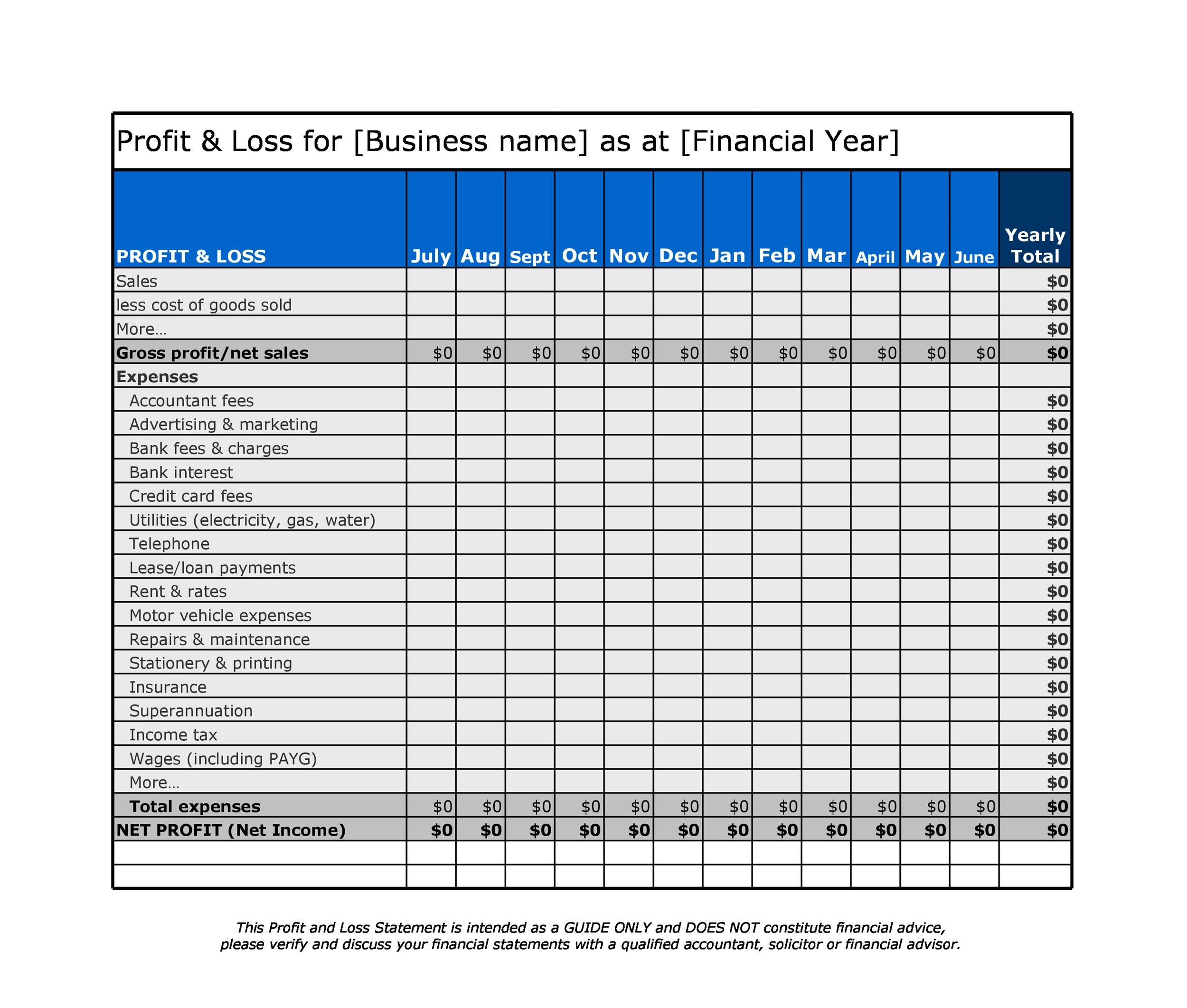
When preparing a profit and loss report, it is important to include the following key elements:
- Revenue: Include all sources of income, such as sales, services, and interest earned.
- Expenses: List all costs incurred in running the business, including operating expenses, salaries, rent, utilities, and taxes.
- Net Income: Calculate the difference between total revenue and total expenses to determine the net income or loss for the period.
Additionally, you may want to include comparative data from previous periods or budgeted figures for comparison to assess performance and make informed decisions.
How to Analyze a Profit and Loss Report
Once you have prepared a profit and loss report, it is important to analyze the data to draw meaningful insights. Here are some steps to help you analyze a profit and loss report effectively:
1. Compare Revenue and Expenses:
Assess the relationship between revenue and expenses to determine if your business is operating efficiently. Look for areas where expenses can be reduced or revenue can be increased to improve profitability.
2. Calculate Key Ratios:
Calculate important financial ratios, such as gross profit margin, net profit margin, and return on investment, to assess the overall financial health and performance of your business.
3. Identify Trends:
Look for trends in revenue, expenses, and net income over time to identify patterns and make informed projections for the future.
4. Conduct Variance Analysis:
Analyze the differences between actual results and budgeted figures to understand the reasons for variance and make adjustments to achieve financial goals.
5. Make Informed Decisions:
Use the insights gained from analyzing the profit and loss report to make strategic decisions that will drive growth, improve profitability, and secure the financial health of your business.
Tips for Successful Profit and Loss Reporting
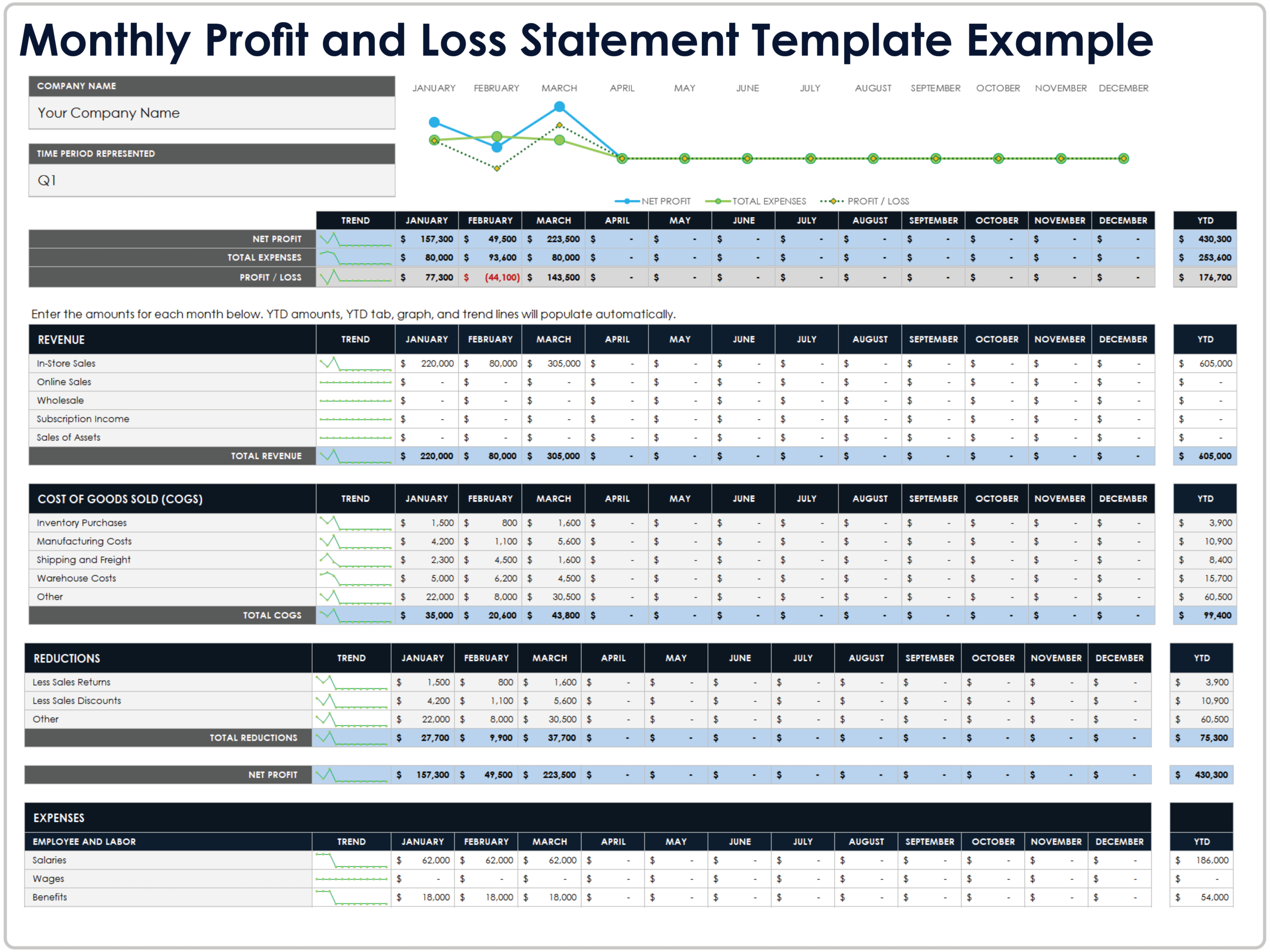
Here are some tips to help you create and analyze profit and loss reports effectively:
- Use Accounting Software: Invest in accounting software to streamline the process of preparing and analyzing financial reports.
- Regularly Review Reports: Review profit and loss reports on a monthly or quarterly basis to stay on top of your company’s financial performance.
- Seek Professional Help: If you are unsure how to prepare or analyze profit and loss reports, consider hiring a financial advisor or accountant for guidance.
- Set Realistic Goals: Use the insights from profit and loss reports to set achievable financial goals and track your progress towards them.
- Stay Informed: Keep up to date with changes in the financial landscape and industry trends to make informed decisions based on the latest information.
By following these tips and guidelines, you can leverage profit and loss reports to optimize your business’s financial performance and achieve long-term success.
Profit And Loss Report Template

- Printable Weekly Cleaning Schedule Template - September 17, 2026
- Free Printable Travel Budget Template - September 17, 2026
- Printable Weekly Lesson Planner Template - September 17, 2026
