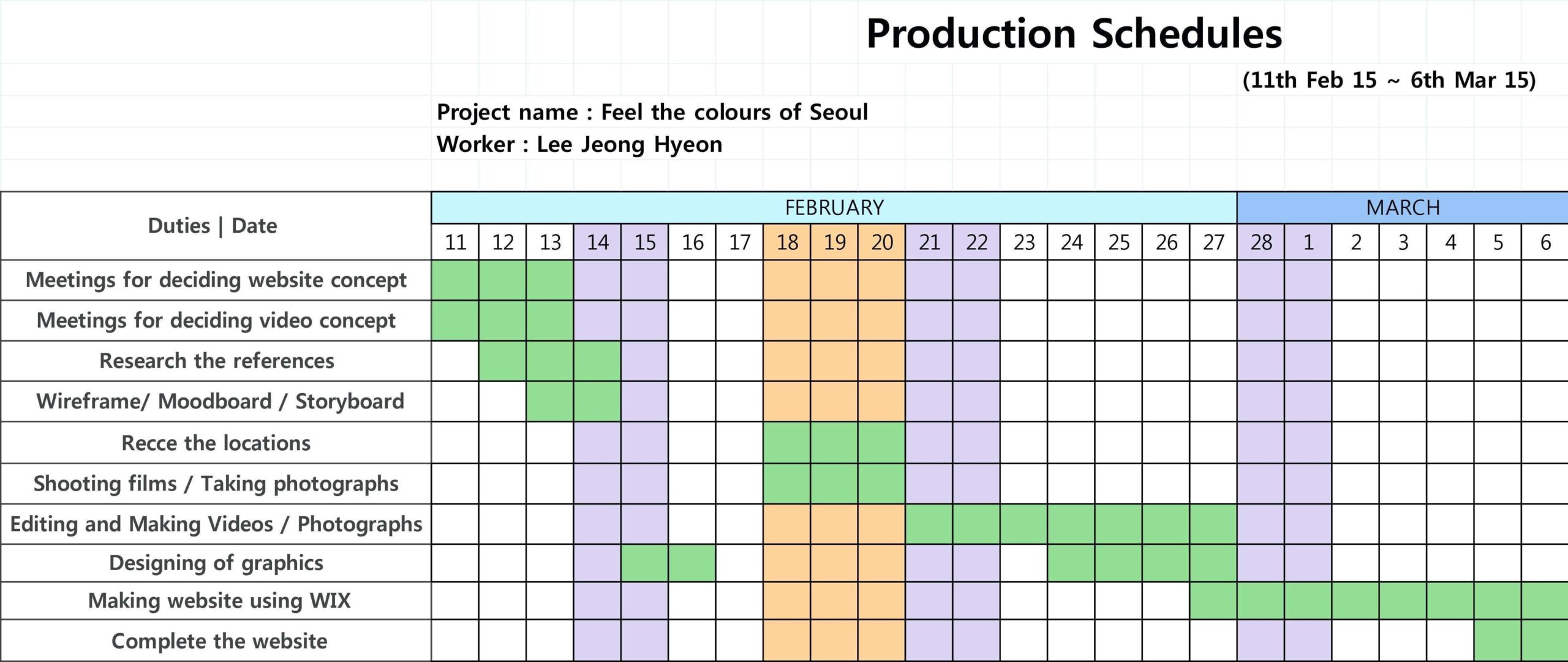
Whether you’re a seasoned filmmaker or a novice content creator, understanding the importance of a production schedule is crucial for the success of any project. A well-thought-out production schedule not only helps you stay organized and on track, but it also ensures that you make the most of your resources and time. In this guide, we will delve into the intricacies of production schedules, exploring what they are, why they are essential, what to include in your schedule, how to create one, and tips for ensuring a successful production process.
What is a Production Schedule?
A production schedule is a detailed timeline that outlines the specific tasks, activities, and milestones involved in the production of a film, video, or any other creative project. It serves as a roadmap for the entire production process, from pre-production to post-production, helping you allocate resources, manage time effectively, and ensure that everything runs smoothly.
Why is a Production Schedule Essential?
A production schedule is essential for several reasons. Firstly, it helps you stay organized and focused by breaking down the entire production process into manageable tasks and timelines. This allows you to track progress, identify potential bottlenecks, and make adjustments as needed to keep the project on schedule.
Additionally, a production schedule is crucial for resource management. By outlining the specific equipment, locations, and personnel needed for each phase of production, you can ensure that you have everything you need when you need it, avoiding last-minute scrambling and costly delays.
What to Include in Your Production Schedule
When creating a production schedule, there are several key elements that you should include to ensure comprehensive coverage of the entire production process:
- Pre-production: This phase includes tasks such as scriptwriting, casting, location scouting, and securing permits.
- Production: This phase involves actual filming or recording, including setting up equipment, directing talent, and capturing footage.
- Post-production: This phase encompasses editing, sound design, color correction, and other tasks needed to finalize the project.
- Revisions and feedback: Allow time for revisions based on feedback from stakeholders, clients, or test audiences.
- Delivery and distribution: Plan for the delivery of the final product to clients, broadcasters, or online platforms.
How to Create a Production Schedule
Creating a production schedule may seem daunting, but with careful planning and attention to detail, you can streamline the process and ensure a smooth production workflow. Here are some steps to help you create an effective production schedule:
1. Break Down the Project into Phases
Start by dividing your project into distinct phases, such as pre-production, production, and post-production. This will help you focus on specific tasks and milestones for each phase, making it easier to track progress and allocate resources accordingly.
2. Estimate Time and Resources
Estimate the time and resources needed for each task or activity in your production schedule. Be realistic in your estimates and factor in buffer time for unexpected delays or complications that may arise during production.
3. Assign Responsibilities
Clearly define roles and responsibilities for each task in your production schedule. Ensure that team members understand their duties and deadlines to avoid confusion and ensure accountability throughout the production process.
4. Create a Visual Timeline
Use a visual timeline or scheduling tool to organize and display your production schedule in a clear and accessible format. This will help you and your team stay on track and easily track progress at a glance.
5. Review and Adjust as Needed
Regularly review and update your production schedule as the project progresses. Be flexible and willing to make adjustments to accommodate changes in the scope or timeline of the project, ensuring that you stay on track and meet your deadlines.
Tips for Successful Production Scheduling
Mastering the art of production scheduling takes time and practice, but with these tips, you can streamline your workflow and enhance the efficiency of your production process:
- Communicate Effectively: Keep lines of communication open with your team members to ensure everyone is on the same page and aware of their roles and responsibilities.
- Be Realistic: Set achievable goals and deadlines in your production schedule to avoid burnout and ensure quality work.
- Stay Flexible: Be prepared to adapt to unexpected changes or challenges that may arise during production, and adjust your schedule accordingly.
- Prioritize Tasks: Identify critical tasks and prioritize them in your production schedule to ensure that essential elements are completed on time.
- Seek Feedback: Regularly seek feedback from stakeholders, clients, or team members to identify areas for improvement and make necessary adjustments to your production schedule.
By mastering the production schedule and following these guidelines, you can enhance the efficiency and success of your creative projects, ensuring that you deliver high-quality content on time and within budget. Remember, a well-planned production schedule is the key to a smooth and successful production process.

- Printable Weekly Cleaning Schedule Template - September 17, 2026
- Free Printable Travel Budget Template - September 17, 2026
- Printable Weekly Lesson Planner Template - September 17, 2026
