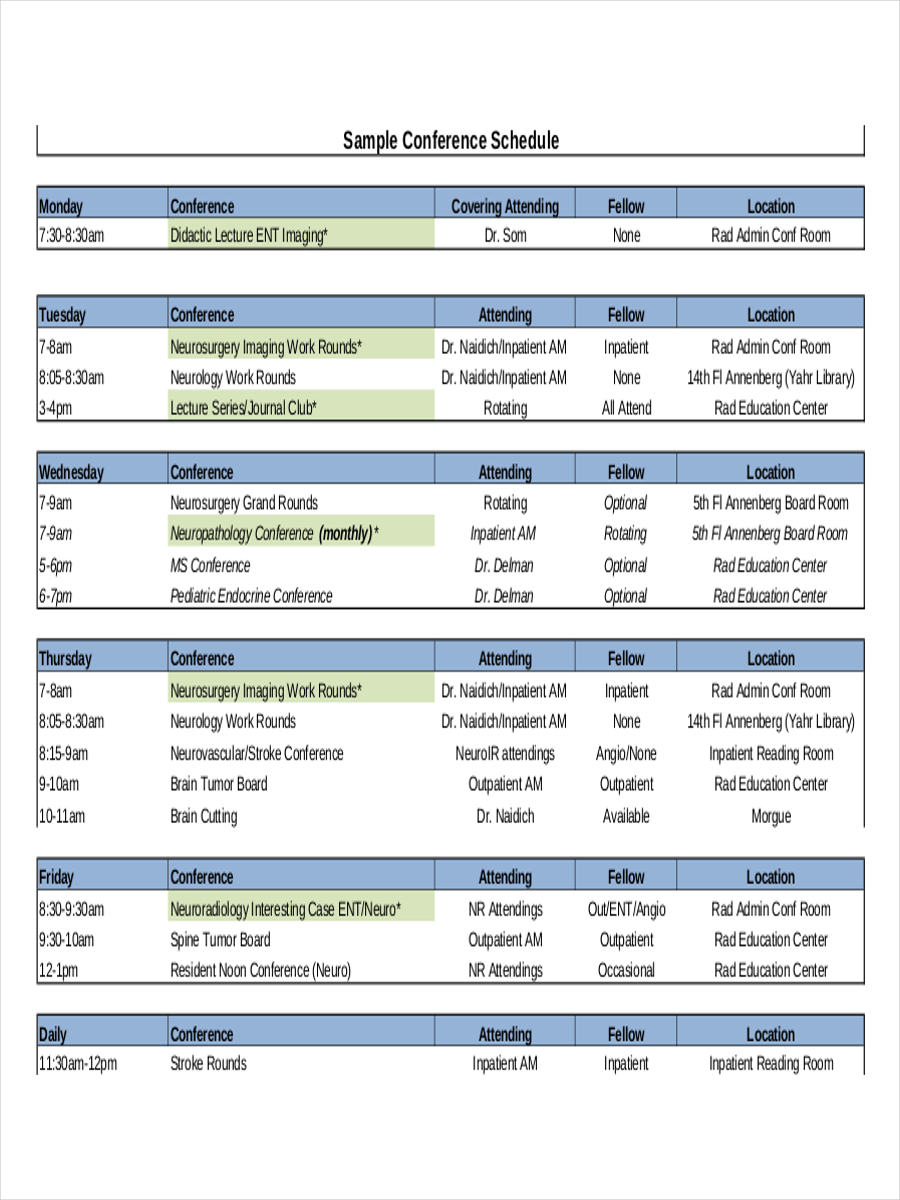
Organizing a one-day conference can be a daunting task, especially when it comes to creating a schedule that is engaging, informative, and well-rounded. A well-structured conference schedule is crucial for ensuring that attendees get the most out of their experience and leave feeling satisfied. In this article, we will discuss the key elements of a successful one-day conference schedule and provide tips for creating a schedule that keeps attendees engaged from start to finish.
What is a One-Day Conference Schedule?
A one-day conference schedule is a detailed outline of the events, sessions, and activities that will take place throughout the course of a single day conference. It typically includes information on keynote speakers, breakout sessions, networking opportunities, meals, and any other planned activities. A well-designed conference schedule is essential for keeping attendees informed and engaged, and for ensuring that the event runs smoothly.
Why is a Well-Structured Conference Schedule Important?
A well-structured conference schedule is important for a number of reasons. Firstly, it helps to keep attendees on track and ensure that they make the most of their time at the event. A clear schedule makes it easy for attendees to plan their day and prioritize which sessions and activities they want to participate in. Additionally, a well-organized schedule helps to create a sense of flow and cohesion throughout the event, making it more enjoyable and engaging for attendees.
What to Include in a One-Day Conference Schedule
When creating a one-day conference schedule, there are several key elements that you should include to ensure that the event is successful and engaging for attendees:
- Keynote Speakers: Highlight prominent speakers who will set the tone for the conference and provide valuable insights.
- Breakout Sessions: Offer a variety of breakout sessions on different topics to cater to the interests of a diverse audience.
- Networking Opportunities: Include time for attendees to network with each other and build valuable connections.
- Meals and Refreshment Breaks: Make sure to schedule regular breaks for meals and refreshments to keep attendees energized throughout the day.
- Interactive Activities: Incorporate interactive activities and workshops to keep attendees engaged and encourage participation.
How to Create a Successful Conference Schedule
Creating a successful conference schedule requires careful planning and attention to detail. Here are some tips to help you create a schedule that will keep attendees engaged and satisfied:
- Start with the Basics: Begin by outlining the key components of the conference, such as keynote speakers, breakout sessions, and networking opportunities.
- Consider Attendee Preferences: Take into account the interests and preferences of your target audience when planning the schedule to ensure that it is relevant and engaging.
- Balance Content: Ensure that the schedule includes a mix of keynote presentations, interactive sessions, and networking opportunities to provide a well-rounded experience for attendees.
- Allow for Flexibility: Leave some room in the schedule for unexpected changes or delays to ensure that the event runs smoothly and attendees are not rushed.
- Solicit Feedback: After the event, gather feedback from attendees to learn what worked well and what could be improved for future conferences.
Tips for a Successful One-Day Conference Schedule
Creating a successful one-day conference schedule is no easy feat, but with careful planning and attention to detail, you can ensure that your event is engaging and memorable for attendees. Here are some additional tips to help you create a schedule that keeps attendees coming back for more:
- Include Diverse Perspectives: Invite speakers from a variety of backgrounds and industries to provide a well-rounded view on the conference theme.
- Provide Clear Instructions: Make sure that attendees know where to go and what to expect at each session by providing clear instructions and signage.
- Offer Opportunities for Interaction: Encourage attendees to participate in discussions, ask questions, and engage with each other to create a dynamic and interactive conference experience.
- Keep Sessions Engaging: Mix up formats and styles of sessions to keep attendees interested and engaged throughout the day.
- Follow Up After the Event: Send a follow-up survey or email to attendees after the event to gather feedback and suggestions for future conferences.
By following these tips and guidelines, you can create a well-structured one-day conference schedule that is engaging, informative, and memorable for attendees. Remember to keep the needs and preferences of your audience in mind when planning the schedule, and don’t be afraid to think outside the box to create a truly unique and valuable conference experience.
One-day Conference Schedule Template

- Printable Weekly Cleaning Schedule Template - September 17, 2026
- Free Printable Travel Budget Template - September 17, 2026
- Printable Weekly Lesson Planner Template - September 17, 2026
