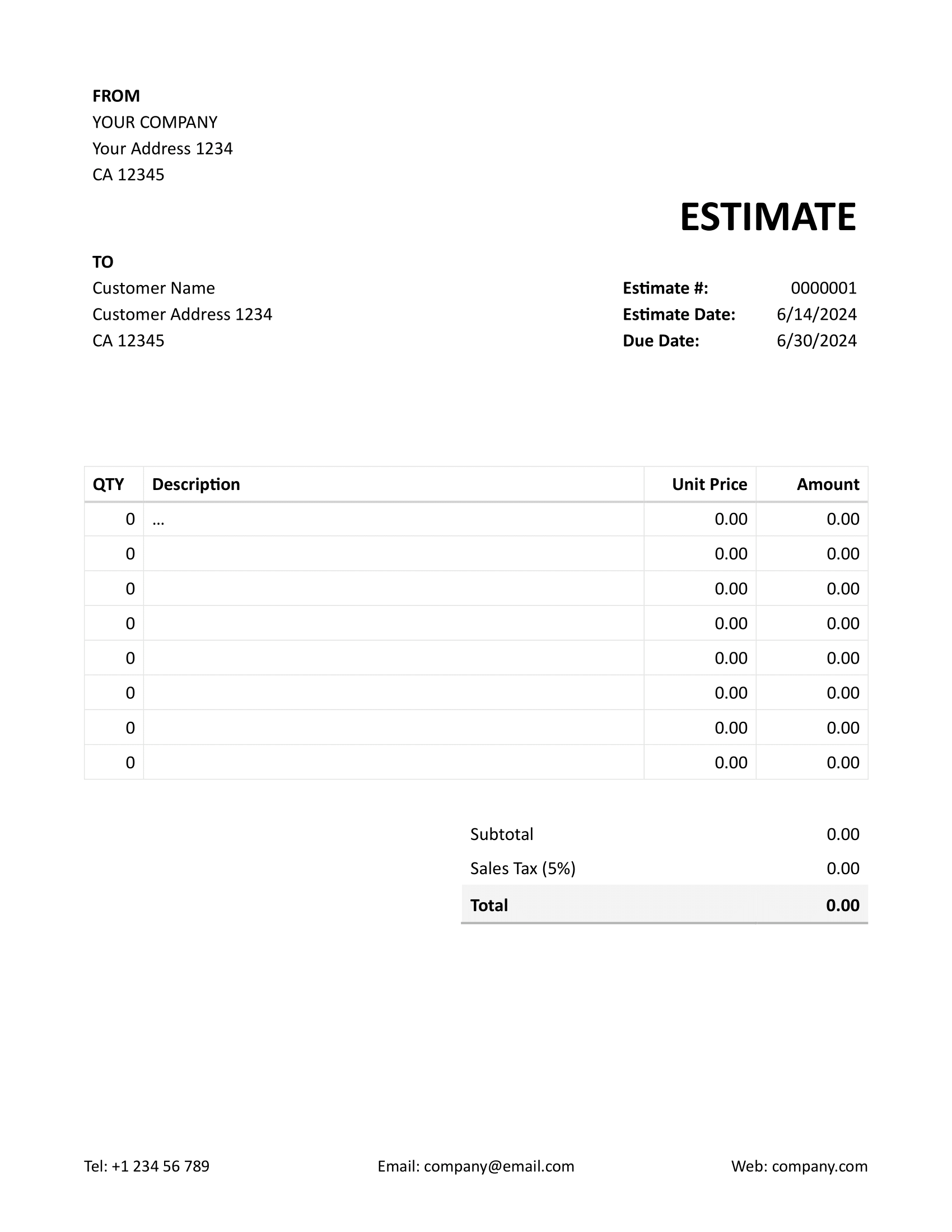
When embarking on a new project, one of the most important steps is determining the project estimate. A project estimate is an approximation of the cost, resources, and time required to complete a project. It serves as a roadmap for the project, helping stakeholders understand the scope and feasibility of the project. In this comprehensive guide, we will delve into the what, why, and how of project estimates, as well as provide tips for successful project estimation.
What is a Project Estimate?
A project estimate is a calculated guess of how much time, money, and resources will be needed to complete a project. It is an essential tool for project managers, as it helps them plan and allocate resources effectively. Project estimates are typically broken down into different components, such as labor costs, materials, equipment, and overhead expenses. The accuracy of a project estimate can vary depending on the complexity of the project and the level of detail provided.
Why is Project Estimate Important?
Project estimates play a crucial role in the success of a project. Here are some key reasons why project estimates are important:
- Resource Allocation: Project estimates help allocate resources efficiently, ensuring that the right resources are available at the right time.
- Budgeting: Accurate project estimates help set realistic budgets and prevent cost overruns.
- Risk Management: Project estimates identify potential risks and challenges early on, allowing for proactive risk management strategies.
- Client Expectations: Clear project estimates help manage client expectations and foster trust and transparency.
What to Include in a Project Estimate
Creating a comprehensive project estimate involves considering various factors and components. Here are some key elements to include in a project estimate:
- Scope of Work: Clearly define the scope of the project, including deliverables and milestones.
- Resource Planning: Identify the resources needed for the project, such as personnel, equipment, and materials.
- Cost Estimates: Break down the costs associated with the project, including labor costs, materials, and overhead expenses.
- Timeline: Develop a realistic timeline for the project, taking into account dependencies and potential delays.
- Risk Assessment: Identify potential risks and uncertainties that could impact the project and incorporate contingency plans.
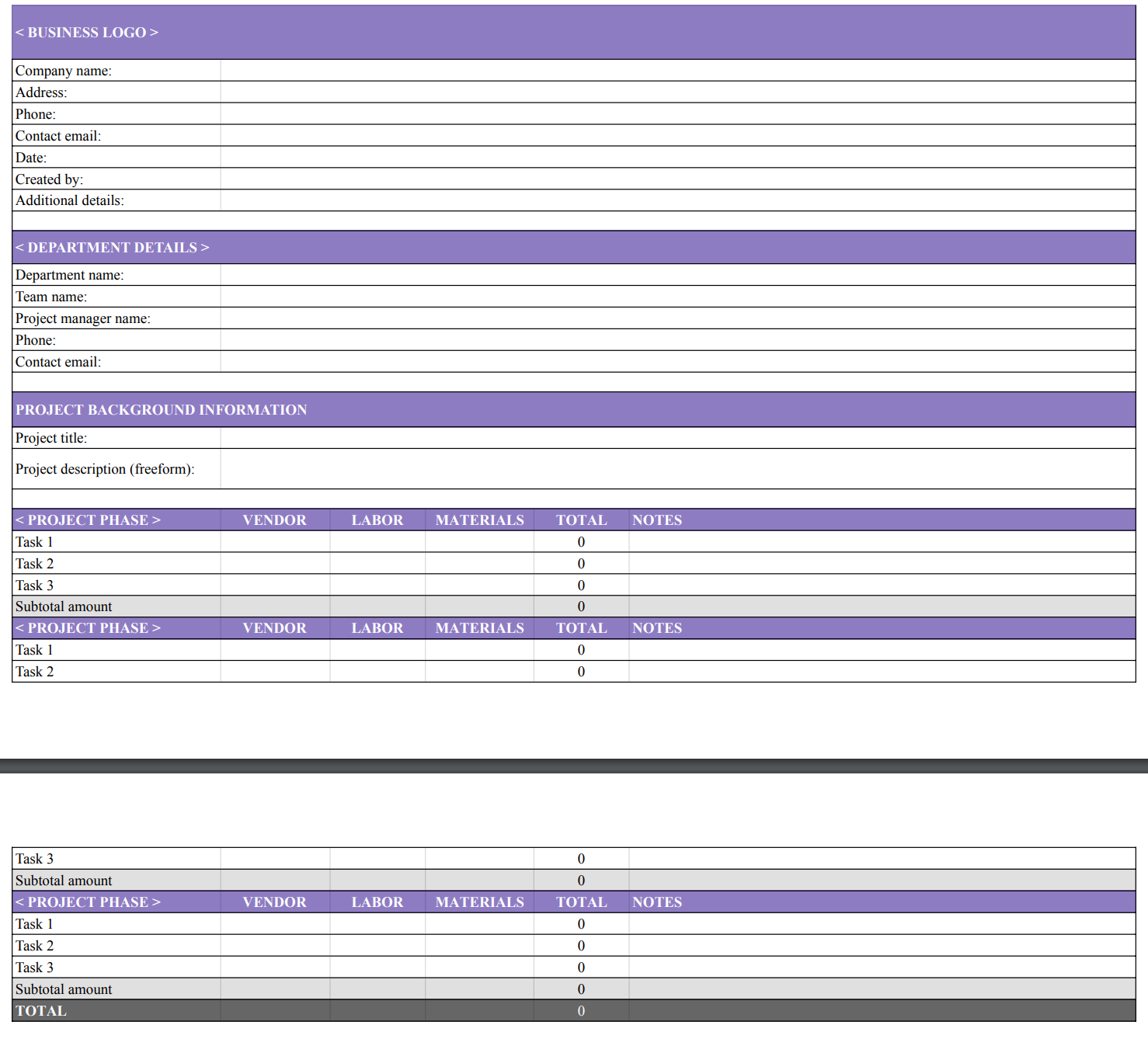
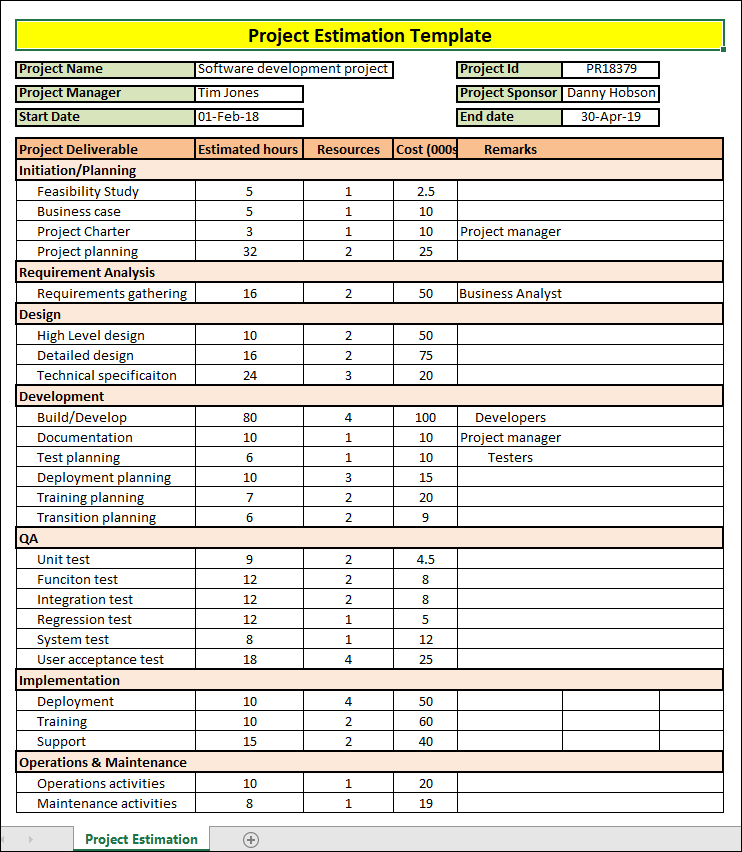
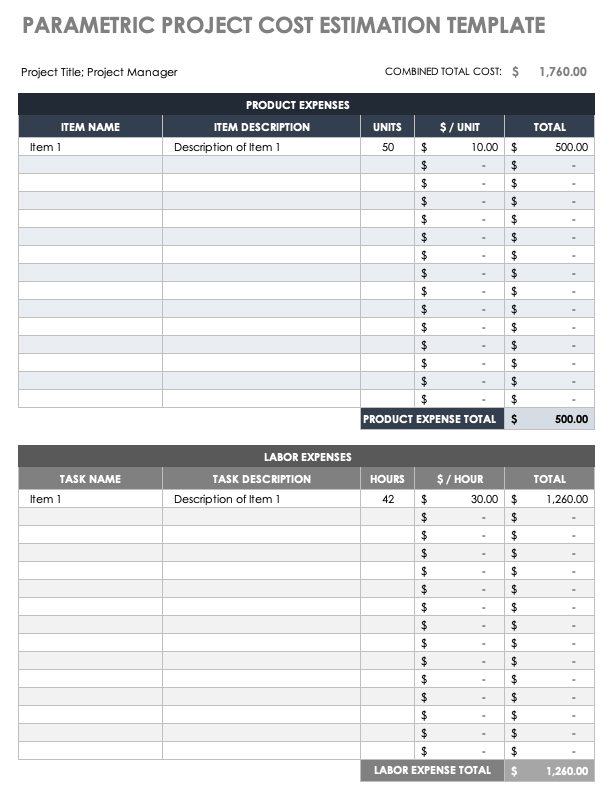
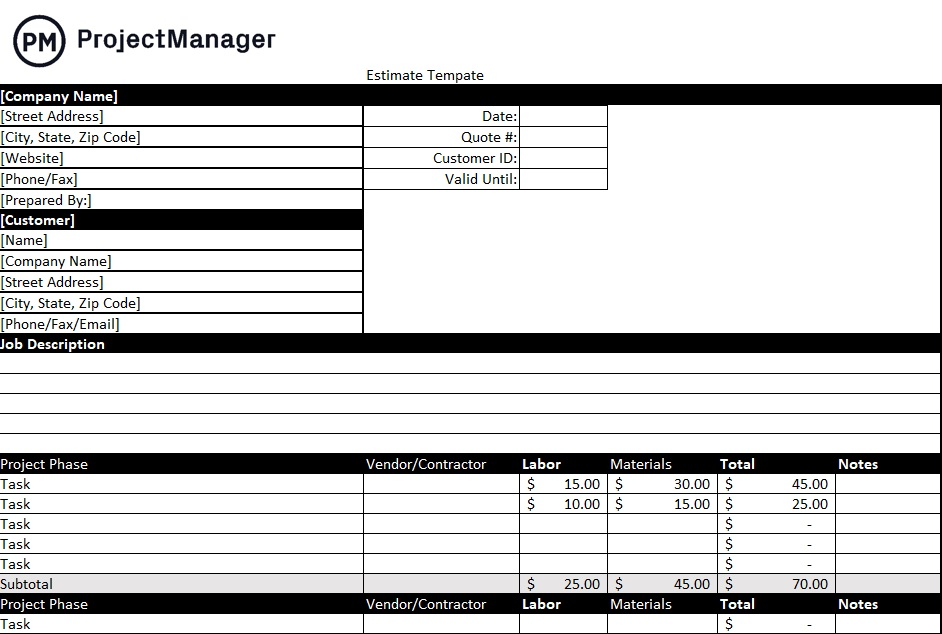
How to Create a Project Estimate
Creating a project estimate requires a systematic approach and attention to detail. Here are some steps to follow when creating a project estimate:
1. Define the Project Scope
Start by clearly defining the scope of the project, including objectives, deliverables, and constraints. This will help you understand the requirements and set realistic expectations.
2. Identify Resources
Identify the resources needed for the project, including personnel, equipment, and materials. Consider the availability and cost of resources when estimating the project.
3. Break Down Costs
Break down the costs associated with the project, including labor costs, materials, equipment, and overhead expenses. Use historical data and industry benchmarks to estimate costs accurately.
4. Develop a Timeline
Develop a realistic timeline for the project, taking into account dependencies, milestones, and potential delays. Consider factors such as resource availability and external dependencies when creating the timeline.
5. Review and Revise
Review the project estimate regularly and make adjustments as needed. Seek feedback from stakeholders and team members to ensure that the estimate is accurate and realistic.
Tips for Successful Project Estimation
Project estimation is both an art and a science, requiring a balance of judgment, experience, and data analysis. Here are some tips for successful project estimation:
- Involve Stakeholders: Collaborate with stakeholders and team members to gather input and insights for the project estimate.
- Use Historical Data: Use past project data and industry benchmarks to inform your estimates and improve accuracy.
- Consider Contingencies: Factor in contingencies for unexpected events or changes in project scope to mitigate risks.
- Communicate Clearly: Ensure that the project estimate is communicated clearly to all stakeholders, setting realistic expectations.
- Monitor Progress: Regularly monitor and track project progress against the estimate to identify variances and take corrective actions.
By following these guidelines and best practices, you can create accurate and realistic project estimates that set your project up for success.

- Printable Wedding Guest List Template - October 1, 2026
- Free Printable Trip Schedule Template - October 1, 2026
- Free Printable Table Card Template - October 1, 2026
