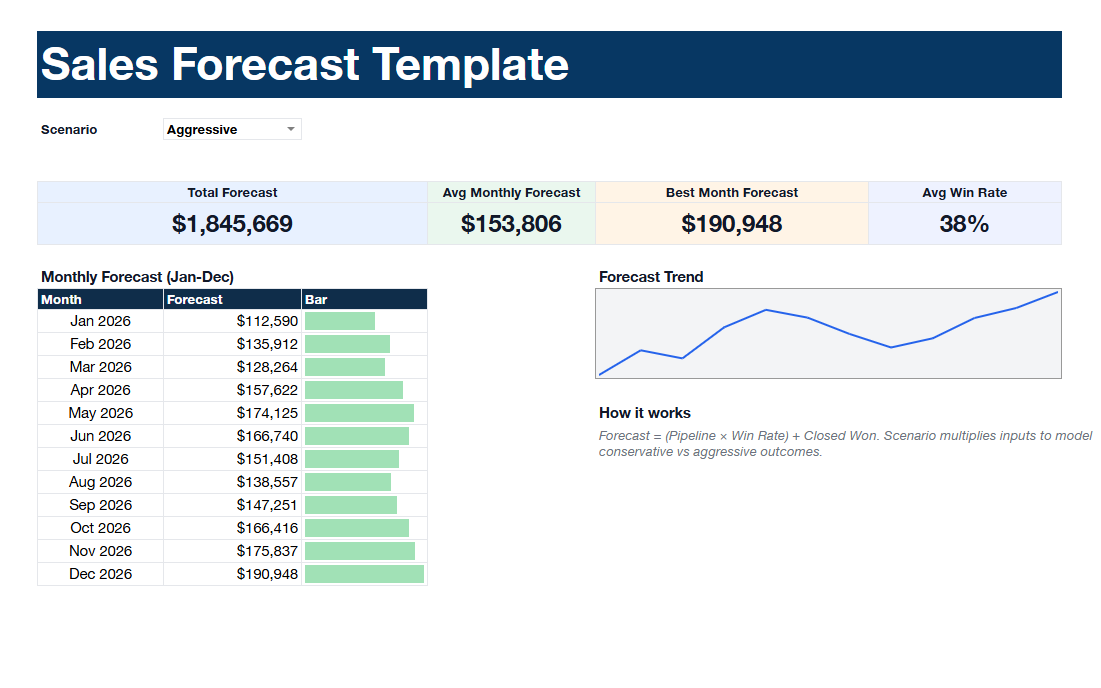
What is Sales Forecasting?
Sales forecasting is the process of predicting future sales based on historical data, market trends, and other relevant factors. It is a critical component of any business strategy, helping companies plan and allocate resources effectively. By accurately forecasting sales, businesses can make informed decisions about production, marketing, and overall growth strategies.
Why is Sales Forecasting Important?
Sales forecasting plays a crucial role in the success of a business for several reasons. Firstly, it helps businesses set realistic goals and benchmarks for their sales teams. By having a clear understanding of what is achievable, sales teams can work towards these targets more effectively. Additionally, sales forecasting assists in managing inventory levels, production schedules, and cash flow. It allows businesses to anticipate demand and ensure they have the right products available at the right time. Furthermore, sales forecasting provides valuable insights into market trends and customer behavior, enabling businesses to adapt their strategies accordingly.
What to Include in a Sales Forecast?
When creating a sales forecast, there are several key components that should be included to ensure its accuracy and relevance. These components may vary depending on the industry and specific business, but generally include historical sales data, market analysis, seasonality trends, competitive factors, and any external influences that may impact sales. It is important to consider both quantitative data, such as sales figures and growth rates, as well as qualitative factors like customer feedback and industry trends.
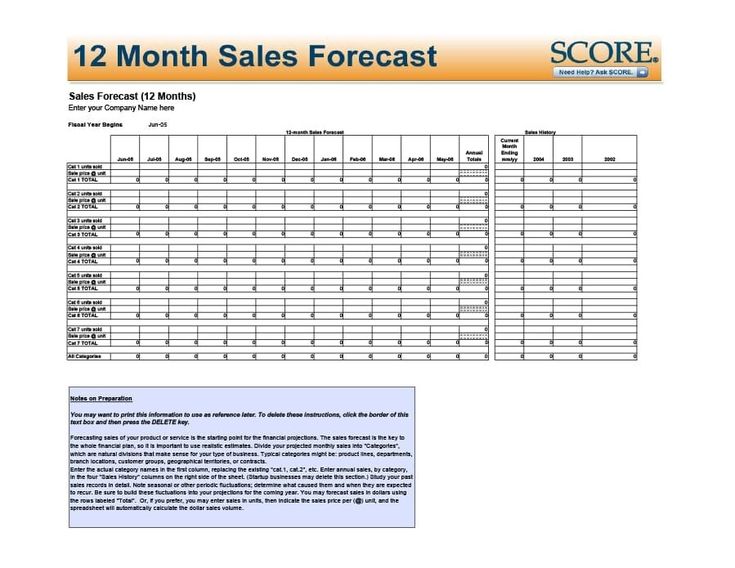
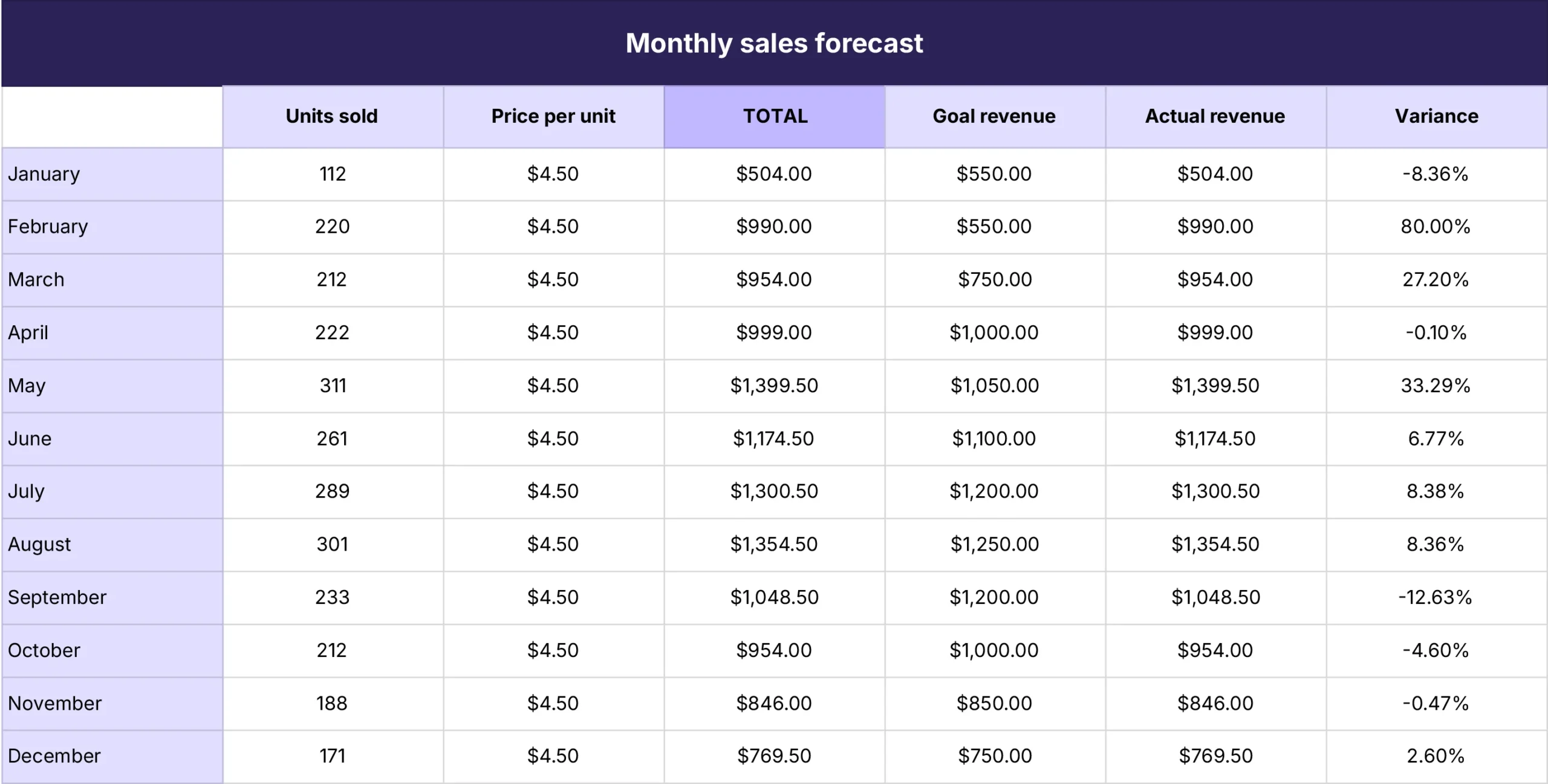
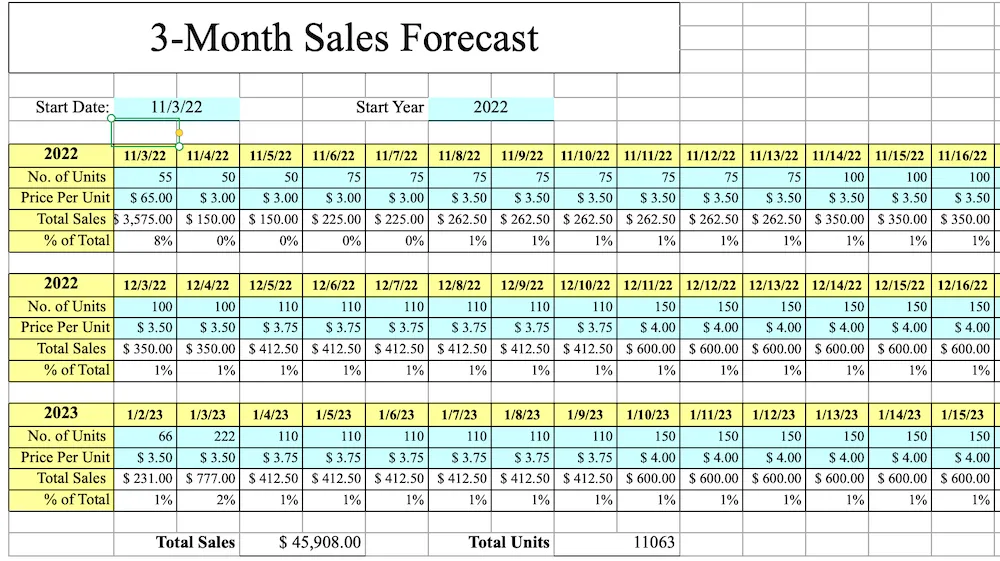
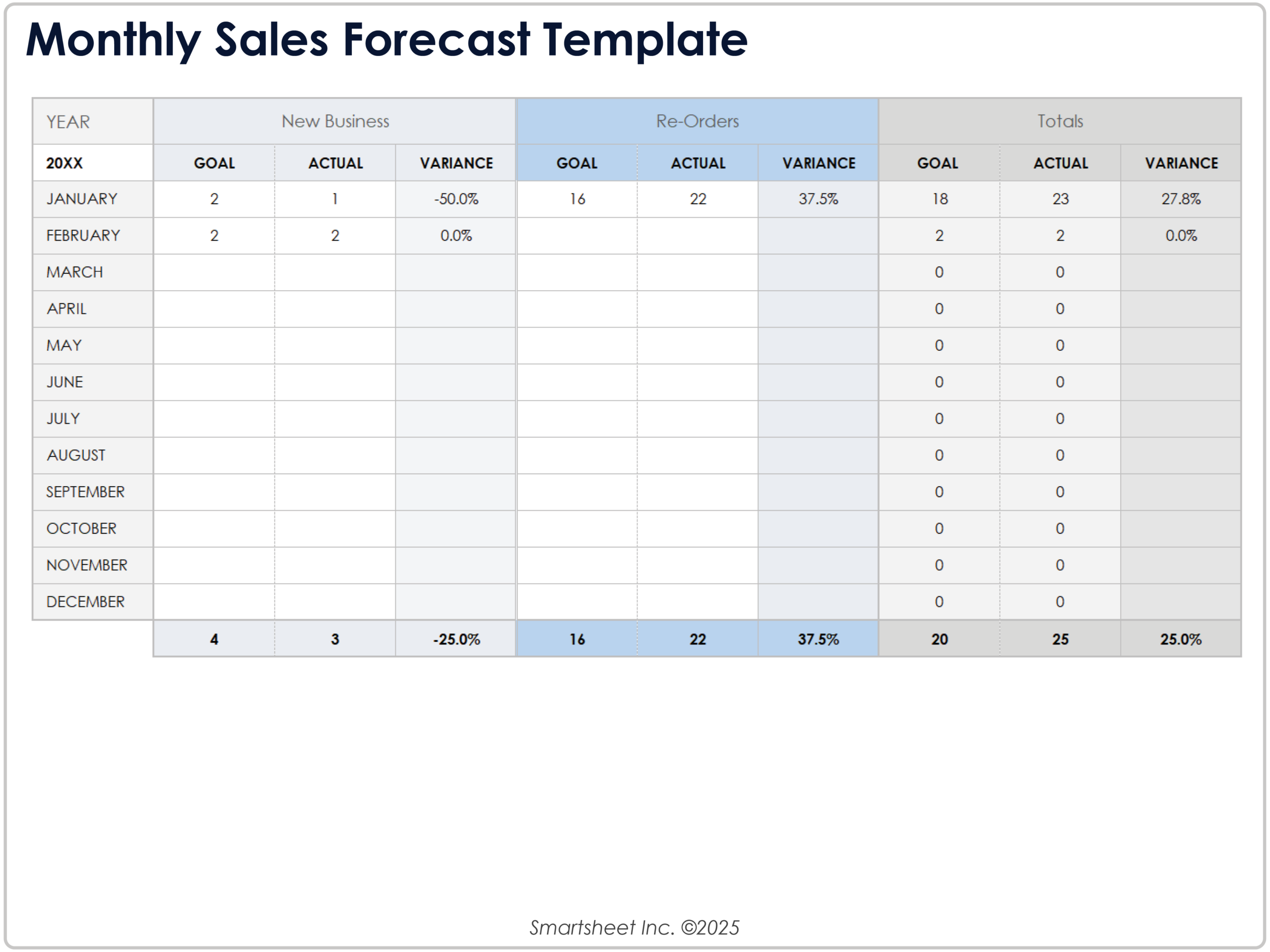
How to Create a Sales Forecast
Creating a sales forecast requires a systematic approach and careful analysis of various factors. Start by gathering historical sales data and identifying any patterns or trends. Next, conduct a thorough market analysis to understand the competitive landscape, target audience, and potential opportunities. Consider external factors like economic conditions, industry regulations, and technological advancements that may impact sales. Use this information to develop sales projections based on realistic assumptions and market trends.
Tips for Successful Sales Forecasting
- Utilize Multiple Methods. Incorporate both quantitative and qualitative data in your sales forecast to capture a comprehensive view of the market.
- Regularly Update Your Forecast. Markets are constantly changing, so it is essential to review and update your sales forecast regularly to reflect new information and trends.
- Collaborate with Stakeholders. Involve key stakeholders from different departments in the forecasting process to gain valuable insights and ensure buy-in for the forecast.
- Use Forecasting Tools. Take advantage of sales forecasting software and tools to streamline the process and improve accuracy in your predictions.
- Track Your Forecast Accuracy. Monitor the accuracy of your sales forecasts over time to identify areas for improvement and refine your forecasting techniques.
Sales forecasting is an essential tool for businesses of all sizes to plan effectively, allocate resources efficiently, and stay ahead of market trends. By incorporating these tips and best practices into your sales forecasting process, you can make more informed decisions and drive growth for your business.

- Free Printable Travel Request Form Template - September 20, 2026
- Free Startup Business Plan Template - September 20, 2026
- Free Printable T-Chart Template - September 20, 2026
