When an employee is struggling to meet performance expectations, it can be a challenging situation for both the individual and the employer. In such cases, a Performance Improvement Plan (PIP) can be a valuable tool to help the employee get back on track and reach their full potential.
In this article, we will explore the ins and outs of PIPs, including what they are, why they are important, what to include in a PIP, how to implement one effectively, and tips for successful outcomes.
What is a Performance Improvement Plan?
A Performance Improvement Plan, also known as a PIP, is a structured document created by an employer to help an employee improve their performance in specific areas. It is typically used when an employee’s performance has fallen below expectations, and they need support to bring their work up to standard. A PIP outlines the areas where improvement is needed, sets clear goals and expectations, and provides a timeline for achieving those goals.
Why are Performance Improvement Plans Important?
Performance Improvement Plans are important for several reasons. First and foremost, they provide a roadmap for employees to follow to improve their performance. By clearly outlining the areas that need improvement and setting specific goals, a PIP gives employees a clear path forward. Additionally, PIPs can help employers document performance issues and demonstrate that they have provided support and guidance to the employee. This documentation can be important if further action, such as termination, becomes necessary.
What to Include in a Performance Improvement Plan
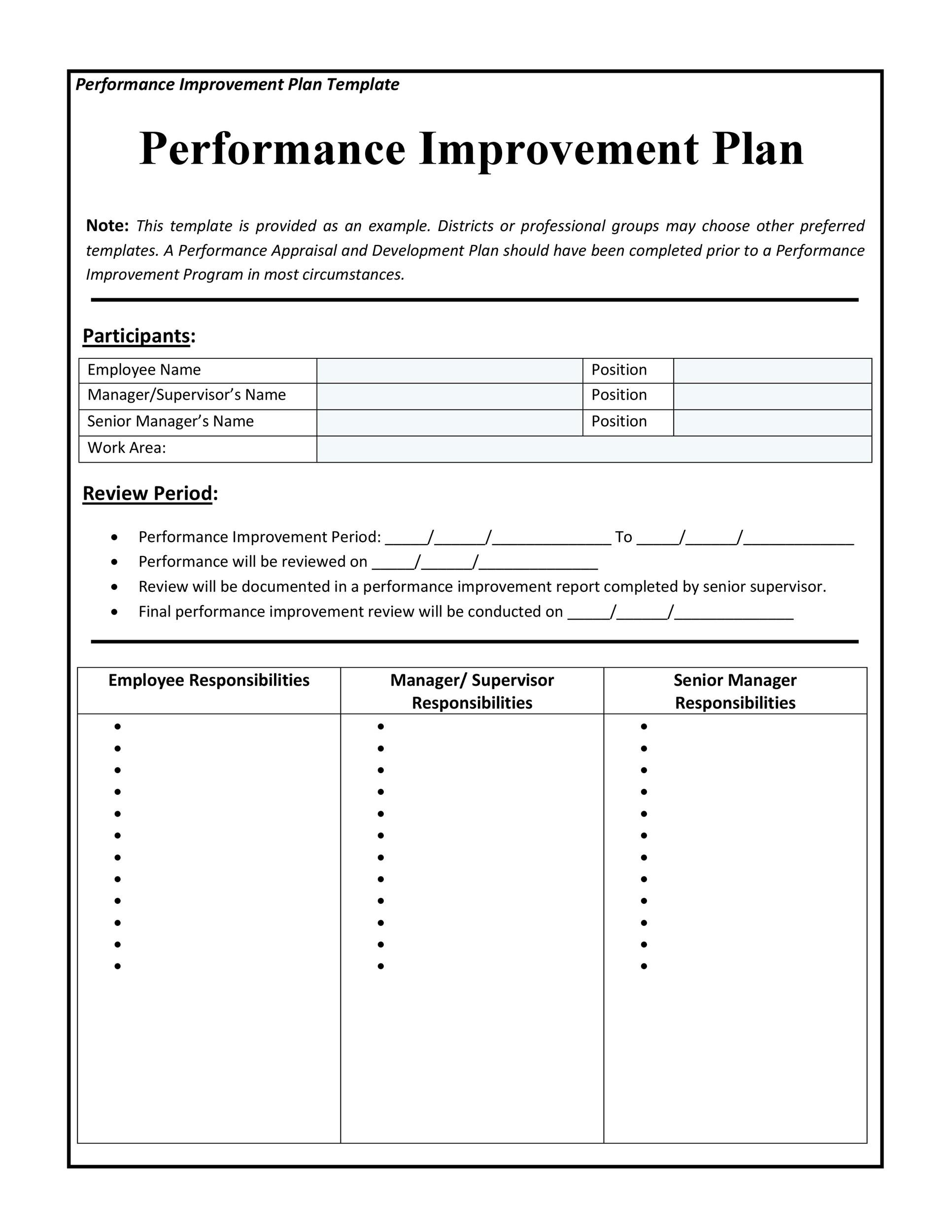
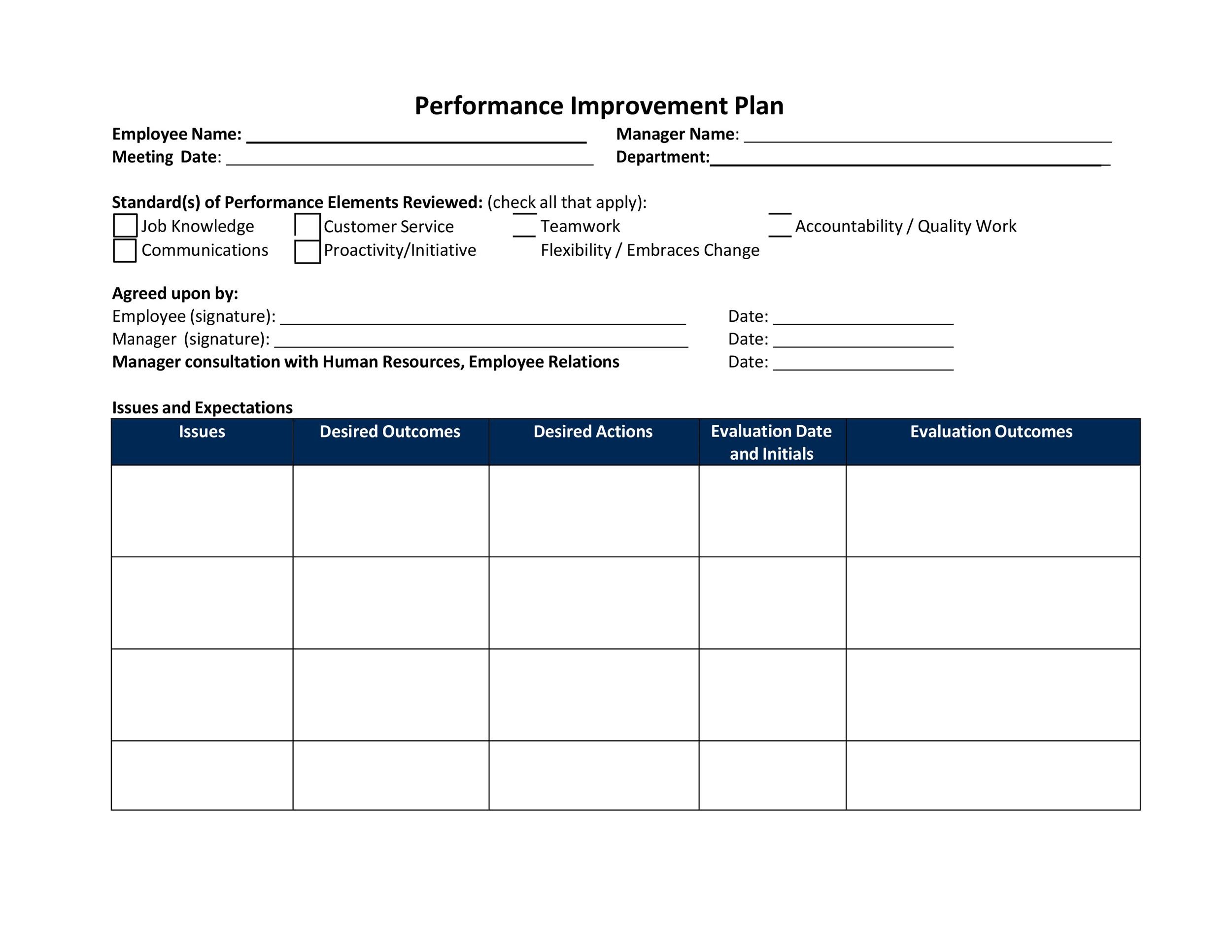
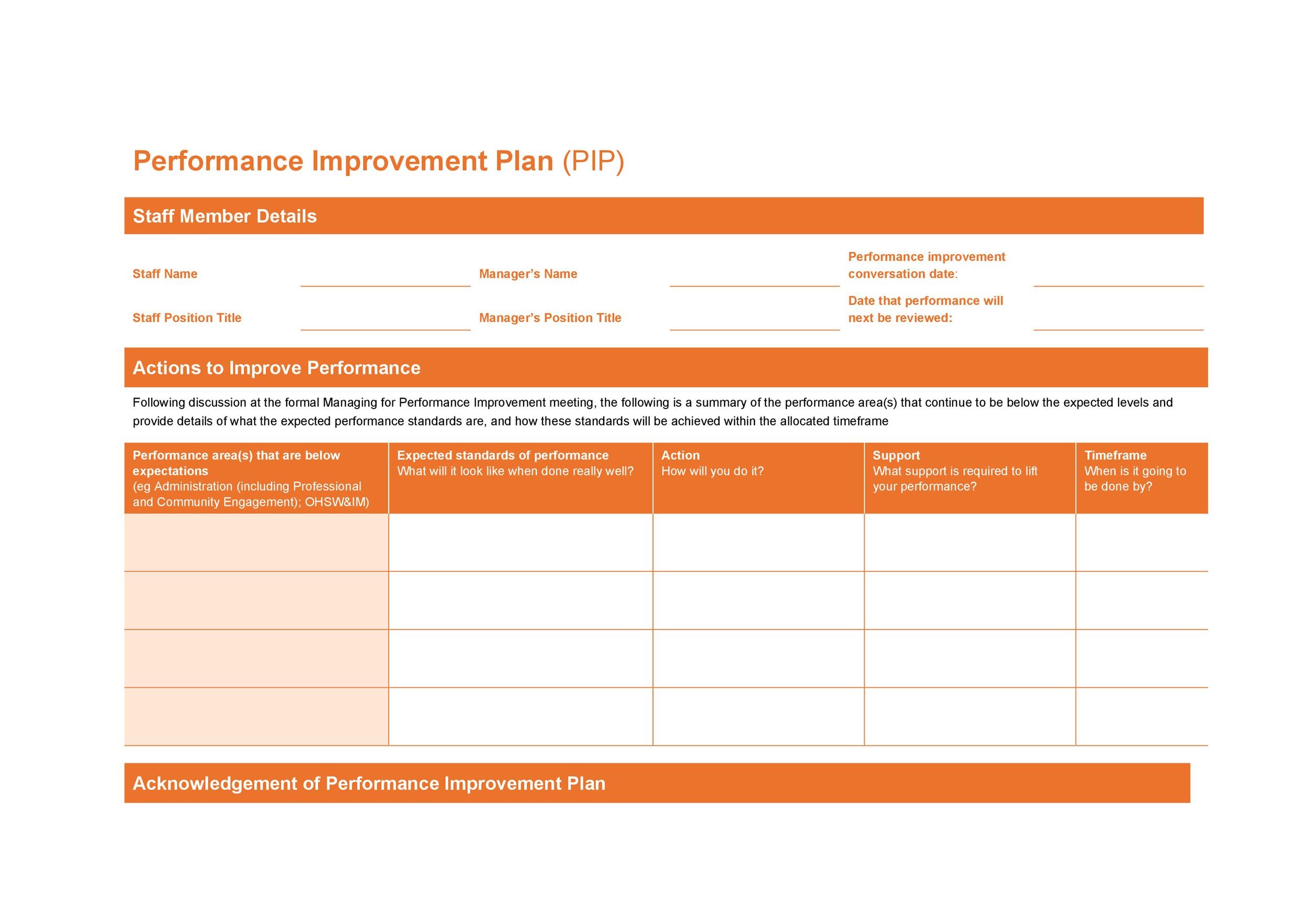
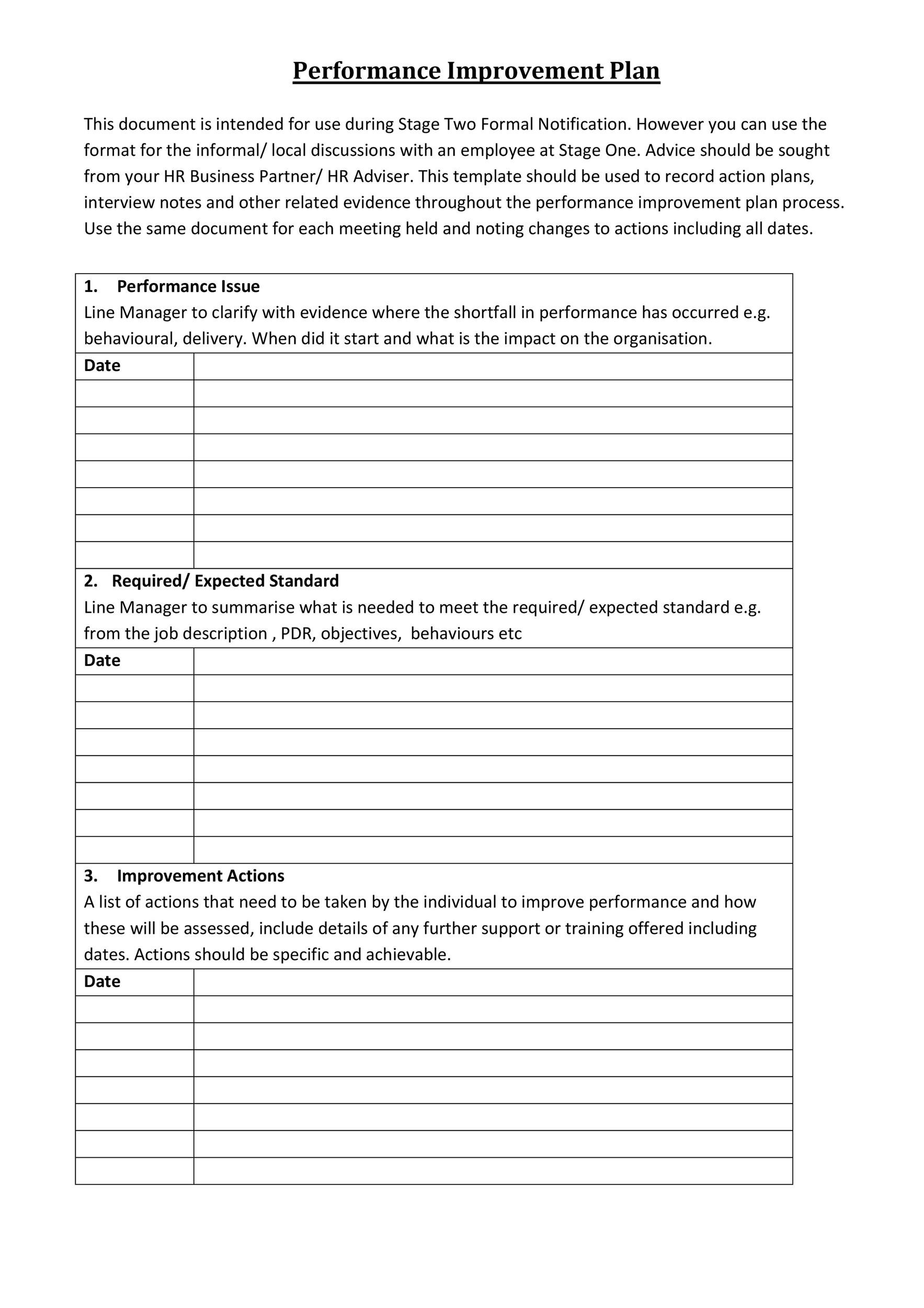
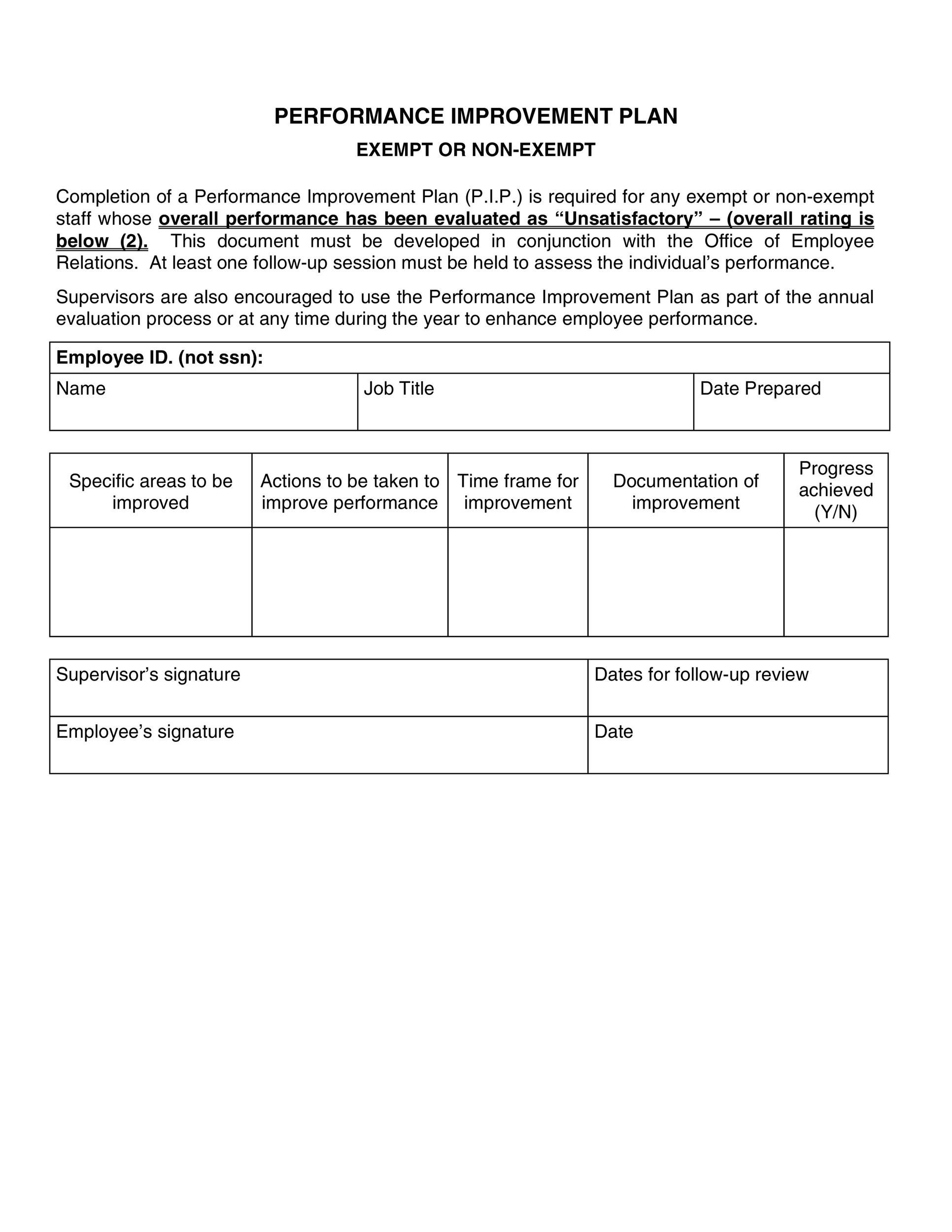
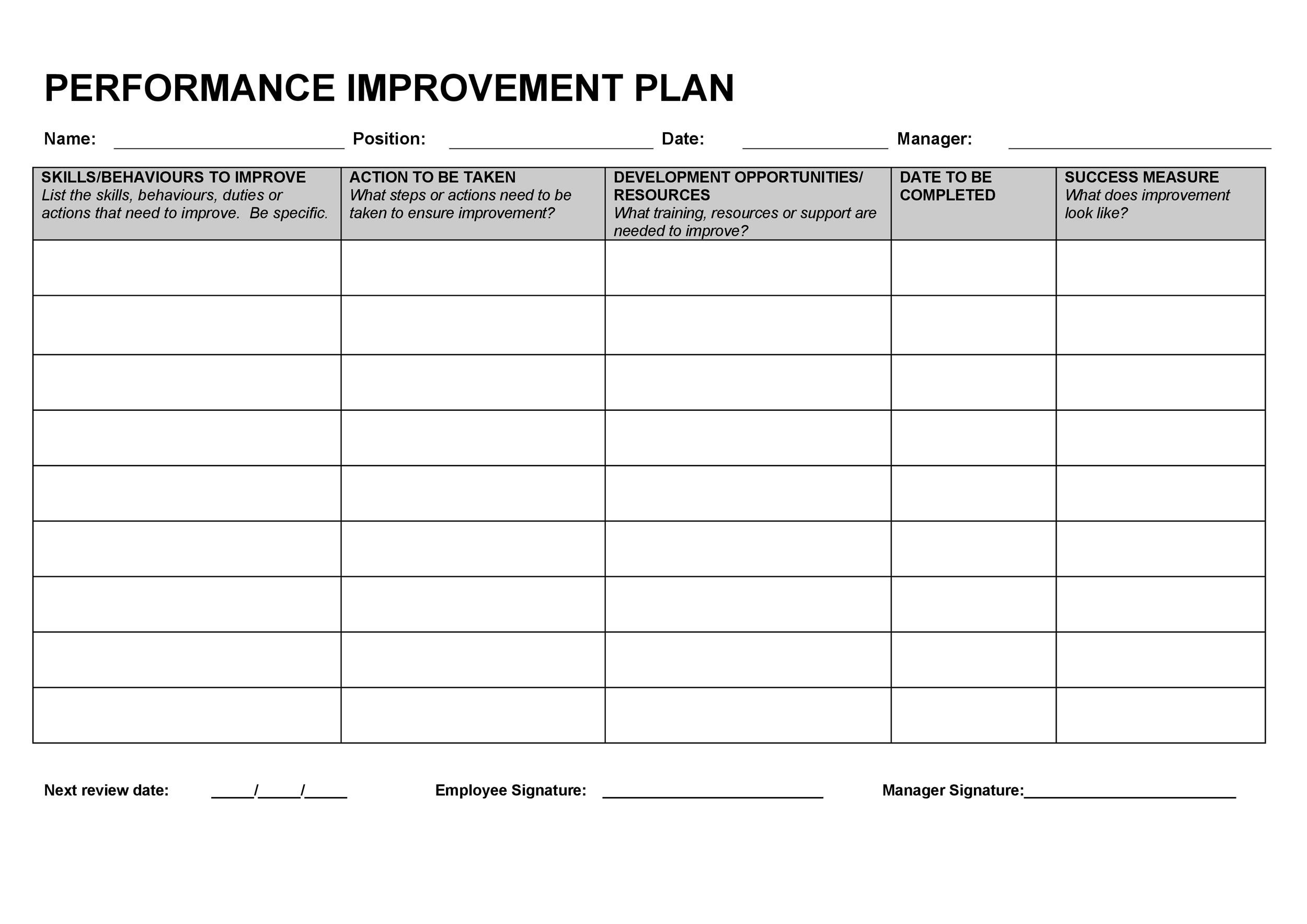
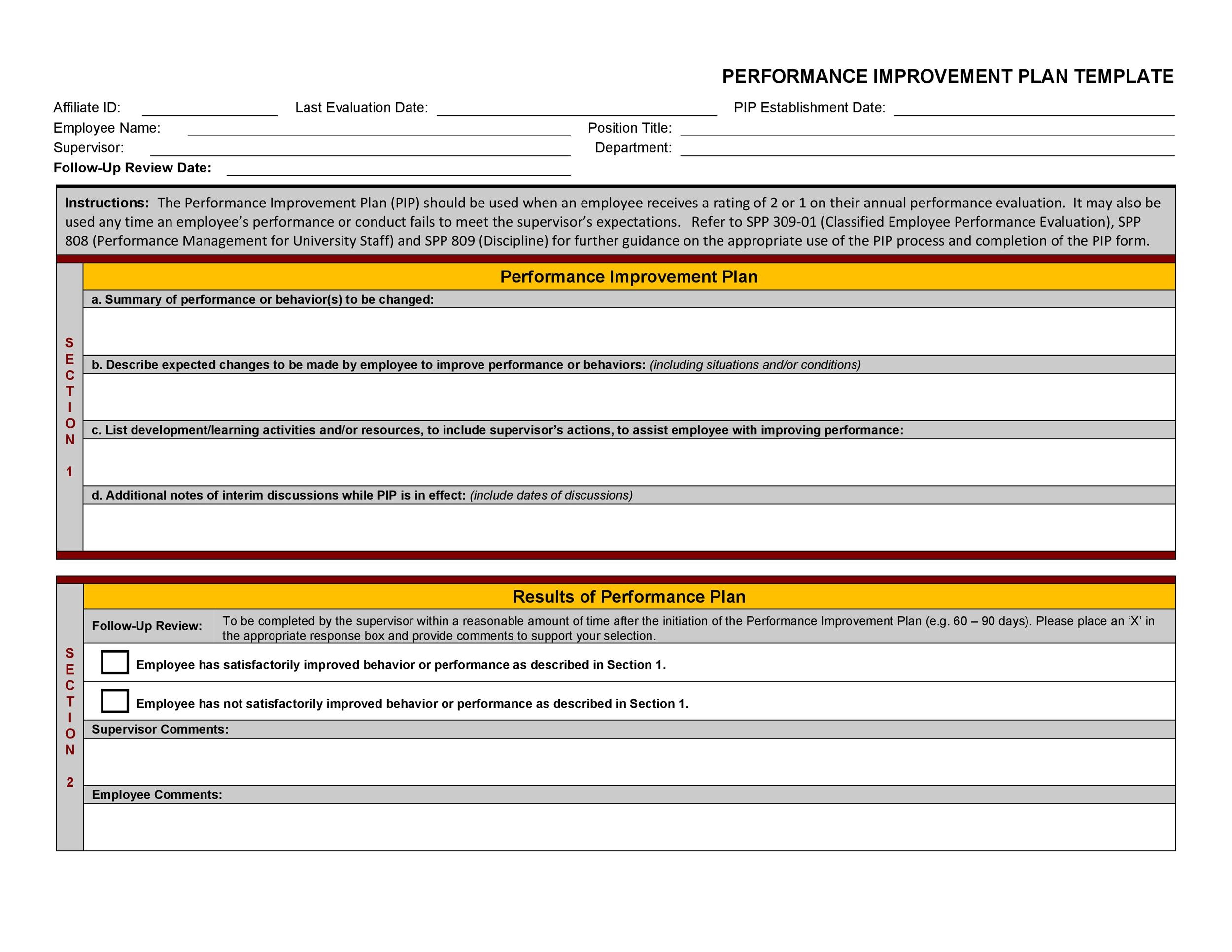
When creating a Performance Improvement Plan, it is important to include several key elements to ensure its effectiveness. These elements may vary depending on the specific situation, but generally include:
- Clear objectives: Clearly define the areas where improvement is needed and set specific, measurable goals.
- Timeline: Establish a timeline for achieving the goals outlined in the PIP.
- Support and resources: Identify the support and resources that will be provided to help the employee improve their performance.
- Regular check-ins: Schedule regular check-in meetings to monitor progress and provide feedback to the employee.
- Consequences: Clearly outline the consequences if the employee fails to meet the goals set out in the PIP.
Examples
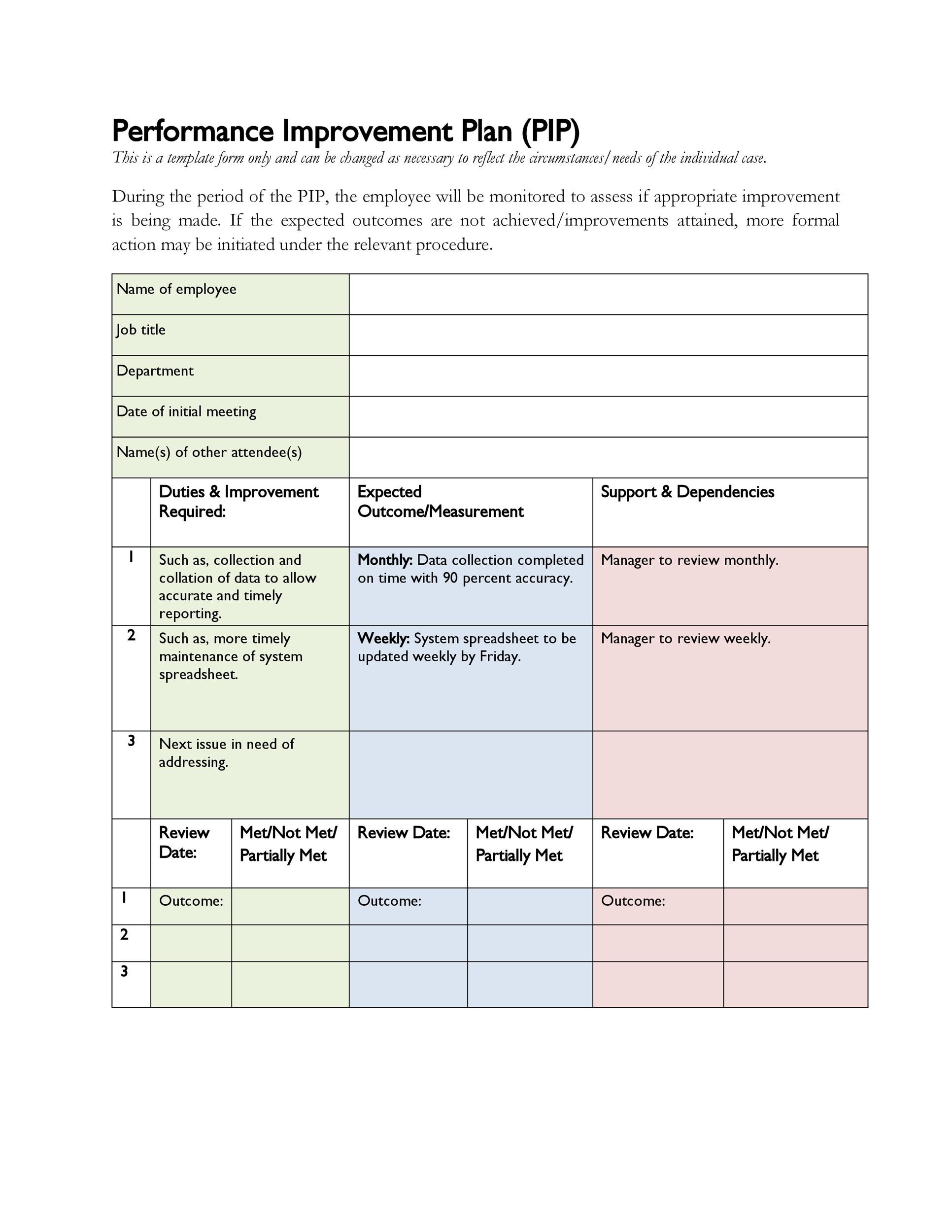
How to Implement a Performance Improvement Plan
Implementing a Performance Improvement Plan requires careful planning and communication. Here are some steps to follow when implementing a PIP:
1. Communicate Clearly
Begin by clearly communicating the reasons for the PIP and what is expected from the employee. Be transparent and open to feedback.
2. Collaborate on Goals
Work together with the employee to set achievable goals that will help them improve their performance.
3. Provide Support
Offer the necessary support, resources, and training to help the employee succeed in meeting the goals of the PIP.
4. Monitor Progress
Regularly monitor the employee’s progress and provide feedback along the way. Make adjustments to the plan as needed.
5. Evaluate and Provide Feedback
At the end of the PIP period, evaluate the employee’s performance and provide constructive feedback. Celebrate successes and address any remaining areas for improvement.
Tips for Successful Performance Improvement Plans
Successful implementation of a Performance Improvement Plan requires careful planning and execution. Here are some tips to help ensure a positive outcome:
- Set realistic goals: Ensure that the goals set in the PIP are achievable and aligned with the employee’s capabilities.
- Provide ongoing feedback: Regularly provide feedback and guidance to help the employee stay on track.
- Encourage open communication: Create a supportive environment where the employee feels comfortable discussing their progress and challenges.
- Recognize progress: Acknowledge and celebrate the employee’s progress and improvements along the way.
- Follow through: Be consistent in following through with the PIP and providing the necessary support until the goals are met.
By following these guidelines and best practices, employers can effectively support employees in improving their performance and ultimately achieve success in the workplace.
Performance Improvement Plan Template – Download

- Attendance Tracker Template - October 15, 2026
- Free Printable Attendance Sheet Template - October 15, 2026
- Asset Purchase Agreement Template - October 15, 2026
