Living will forms are legal documents that allow individuals to outline their healthcare preferences and end-of-life care instructions. These forms are crucial for ensuring that your wishes are followed in the event that you are unable to make medical decisions for yourself.
In this comprehensive guide, we will explore what living will forms are, why they are important, what to include in them, how to create one, and tips for completing them effectively.
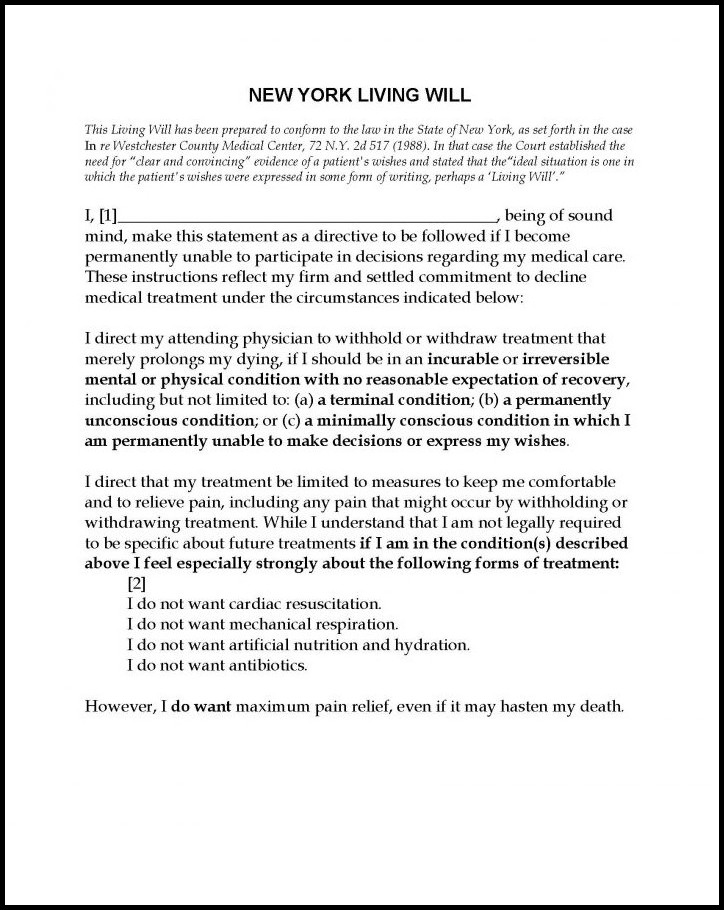
What is a Living Will Form?
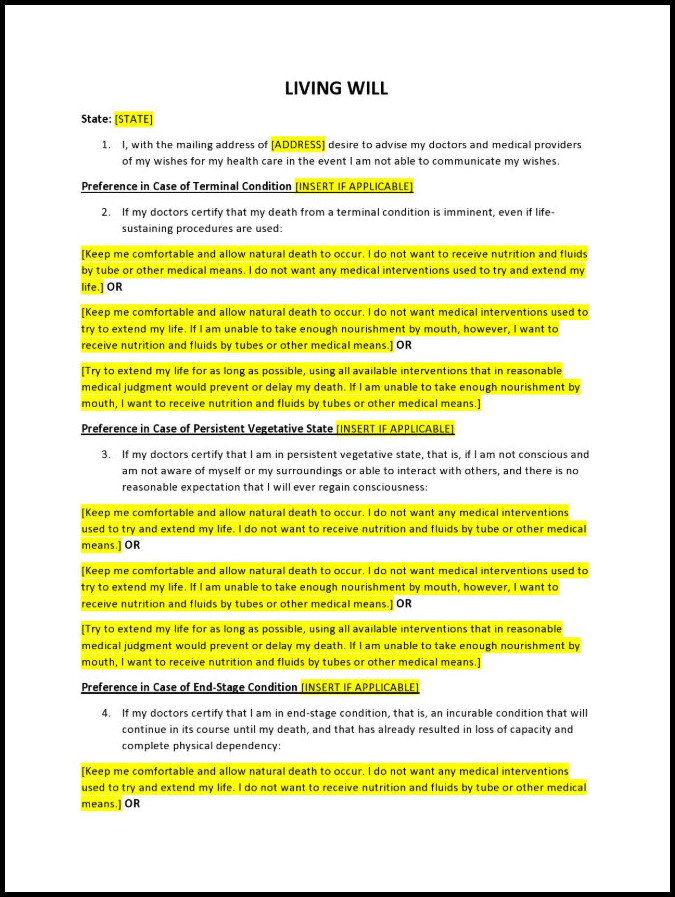
A living will form, also known as an advance directive, is a legal document that allows you to specify your healthcare preferences in advance. This document outlines the medical treatments you would like to receive or refuse in certain situations, such as if you are in a coma or suffering from a terminal illness. By completing a living will form, you can ensure that your medical wishes are respected even if you are unable to communicate them yourself.
Living will forms are legally binding documents that must be signed in the presence of witnesses and notarized to be valid. These forms are typically stored in a safe place and shared with your healthcare providers, family members, and designated healthcare proxy.
Why are Living Will Forms Important?
Living will forms are essential for several reasons. First and foremost, they allow you to maintain control over your medical care and ensure that your wishes are respected. By outlining your preferences in advance, you can prevent confusion, disagreements, and unnecessary treatments in the event of a medical crisis.
Additionally, living will forms provide peace of mind for both you and your loved ones. Knowing that your healthcare preferences are documented and legally binding can alleviate stress and uncertainty during difficult times. These forms also help to reduce the burden on family members and healthcare providers by clearly stating your wishes for end-of-life care.
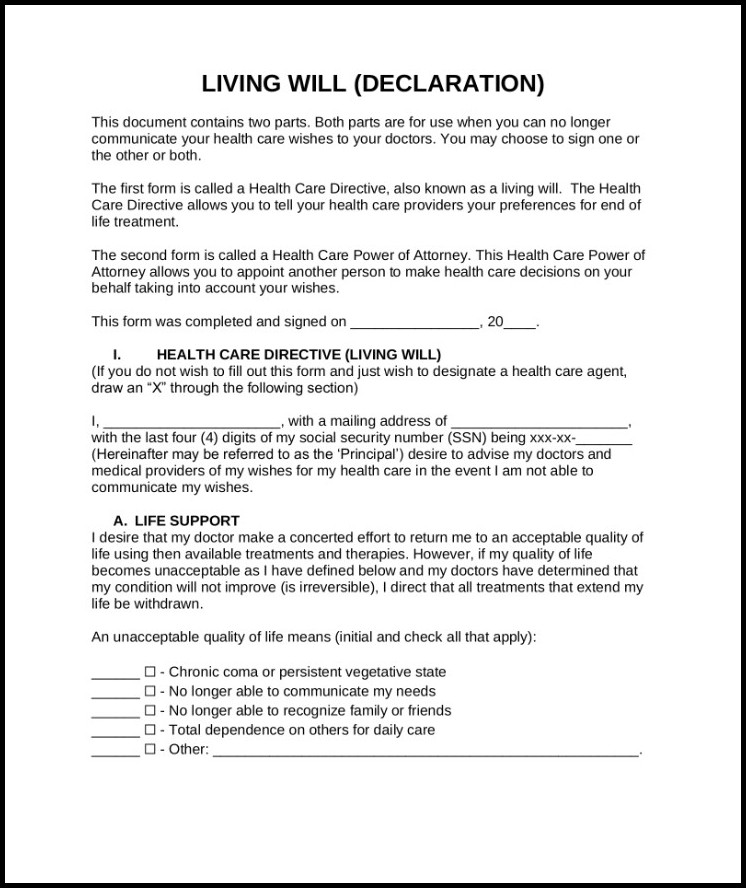
What to Include in a Living Will Form
When creating a living will form, it is important to include detailed instructions and preferences for your medical care. Some key elements to consider including in your form are:
- Identification: Include your full name, date of birth, and contact information.
- Medical Preferences: Specify the medical treatments you would like to receive or refuse, such as CPR, life support, and feeding tubes.
- End-of-Life Care Instructions: Outline your preferences for end-of-life care, including pain management and hospice care.
- Healthcare Proxy: Designate a healthcare proxy to make medical decisions on your behalf if you are unable to do so.
- Witnesses and Notary: Ensure your form is signed in the presence of witnesses and notarized to be legally binding.
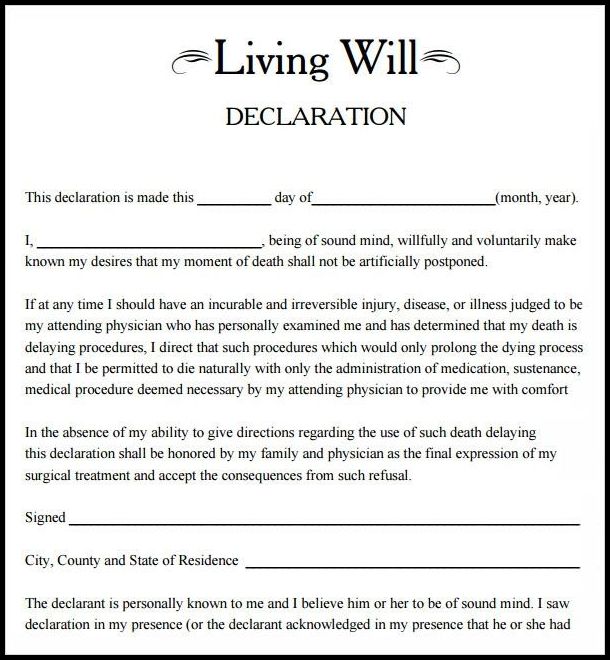
How to Create a Living Will Form
Creating a living will form is a straightforward process that can be done with the help of an attorney or using online templates. To create a living will form, follow these steps:
1. Research living will requirements in your state.
2. Download a living will template or use an online form generator.
3. Fill out the form with your medical preferences and end-of-life care instructions.
4. Sign the form in the presence of witnesses and have it notarized.
5. Store copies of your living will form in a safe place and share them with your healthcare providers and loved ones.
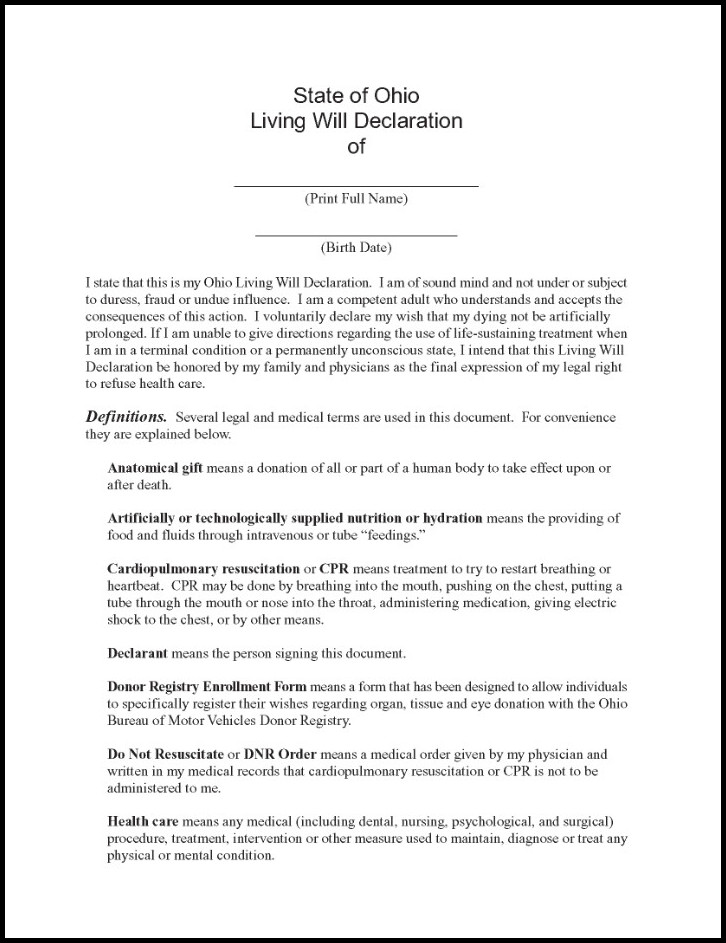
Tips for Completing a Living Will Form
Completing a living will form can be an emotional and challenging process. To make the process easier, consider the following tips:
1. Consult with your healthcare providers to understand your medical options.
2. Discuss your wishes with your loved ones and designated healthcare proxy.
3. Review and update your living will form regularly to ensure it reflects your current preferences.
4. Keep copies of your living will form in a secure location that is easily accessible.
5. Consider creating a medical power of attorney in addition to your living will form.
6. Seek legal advice if you have questions or concerns about completing your living will form.
In conclusion, living will forms are essential documents for ensuring that your healthcare preferences are followed in the event that you are unable to make medical decisions for yourself. By creating a living will form and clearly outlining your wishes, you can maintain control over your medical care and provide peace of mind for yourself and your loved ones. Follow the tips outlined in this guide to complete your living will form effectively and ensure that your wishes are respected.
Living Will Form Template – Word

- Ship Chart Template - October 5, 2026
- Free Printable Table Tent Template - October 5, 2026
- Free Printable Supply List Template - October 5, 2026
